Dental Blog

Our dental practice is dedicated to educating you with the latest tips and tricks to maintain your optimal oral health.

What to Eat After a Tooth Extraction & Bone Graft

Extraction

Recovering from a tooth extraction and bone graft requires careful attention to your diet. Eating the right foods helps protect the surgical site, reduces discomfort, and supports proper healing. Knowing what to eat and what to avoid is essential for a smooth recovery.


Read More

How Long Does a Bone Graft Take to Heal?

Bone-Grafting

Thinking about a dental implant or needing to rebuild some bone in your mouth? A bone graft might be part of the plan. While it’s a common procedure, many people wonder about the recovery time. Understanding how long a dental bone graft takes to heal helps you know what to expect and plan your treatment confidently.


Read More

How to Stop Bleeding After Tooth Extraction

Extraction

Bleeding after a tooth extraction is common and usually part of the normal healing process. While light oozing is expected, knowing how to control bleeding—especially after wisdom tooth removal—can help prevent complications and support proper recovery.


Read More

How Long to Leave Gauze In After Tooth Extraction

After a wisdom tooth extraction, it’s normal to leave the dental office with a gauze pad in your mouth. The gauze plays an important role in stopping bleeding and helping a blood clot form, which is essential for proper healing.


Read More

How Long Does Swelling Last After Tooth Extraction?

Having a tooth pulled is a common dental procedure, but swelling afterward can be concerning. Swelling is a normal part of the healing process and usually follows a predictable timeline, especially after procedures like wisdom tooth removal.


Read More

What Dissolvable Stitches Are Designed to Do

Dissolvable stitches, also known as absorbable sutures, are commonly used after dental procedures to hold the edges of a wound together and support proper healing. They act like temporary support, helping to stop bleeding and prevent bacteria from entering the surgical area.

Unlike regular stitches, these are made from materials that naturally break down in the mouth. Moisture and enzymes in your saliva help dissolve them over time, so they do not need to be removed by a dentist.


Read More

A Clinical Look at What to Do When Wisdom Tooth Cause Problems

Wisdom

The appearance of the third molars, also known as wisdom teeth, marks an important stage in the development of late teens. But these teeth usually make people more worried than happy. Some people can solve their own problems, but most people will need help from a professional. To keep your teeth healthy for a long time, you need to know when and why they hurt.

Modern oral surgery has changed a lot in how it looks at and treats these kinds of cases. The results are now safer and more certain than ever.


Read More

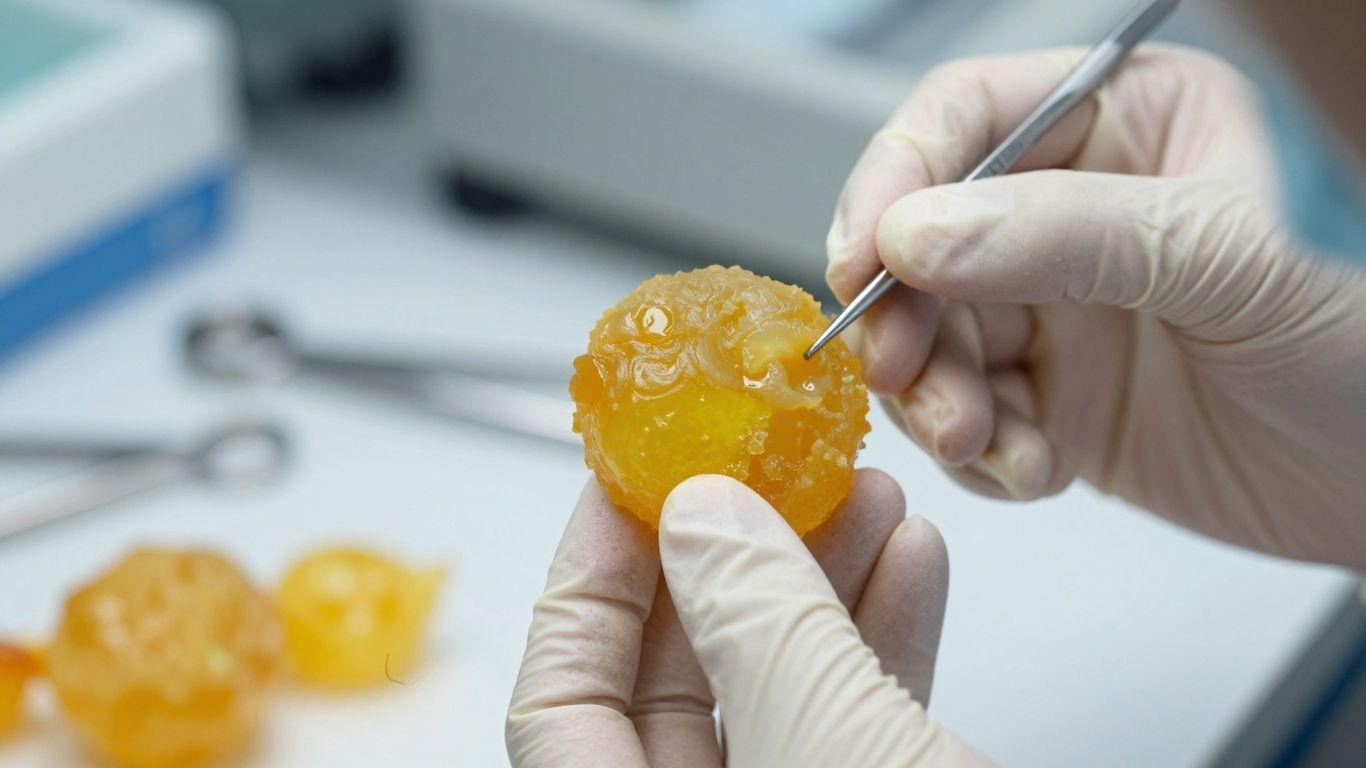
Restoring the Foundation: How Bone Grafting Supports Your Smile

Grafting

When a tooth is lost, whether it is pulled out, damaged by gum disease, or broken, the body begins to change the shape of the jawbone below it. Bone resorption is a slow change that can make the structure that will hold a future implant or denture weaker. When there isn't any pressure from chewing or a tooth root, the bone starts to shrink.

This damage doesn't just make it harder to get new teeth; it can also change the shape of the face in small ways, like making the lips or cheeks look sunken, and make restorative treatment less effective. There is more to it than how it looks. The jawbone is what lets the mouth work, and when it goes away, it has to be rebuilt in a doctor's office.


Read More

When the Face is Injured: Understanding the Complexities of Facial Trauma

Trauma

A bruise or broken bone on the face can do more than just make someone feel bad. It can also change their looks, behavior, and personality. Facial injuries may affect nerves that control sensation, bones responsible for chewing, talking, and breathing, and soft tissues that shape our appearance and expressions.

Treating facial trauma requires precision—not only to repair the injury but also to restore the balance and harmony of the face. While facial injuries are common in oral and maxillofacial practice, they are often complex. Trauma from fights, falls, sports, or vehicle accidents can result in fractures, displaced teeth, and soft tissue damage.


Read More

Why Bone Grafting Matters in Restorative Oral Surgery

Grafting

People who lose a tooth often worry about how it looks or how well they can eat. But the jawbone that supports it may slowly get worse over the next few months. If this basic structure isn't there, it might not be possible to do dental restorations in the future, especially implants.

Bone grafting is a medically proven way to fix this issue. It lets oral surgeons add volume back in and make the structure strong enough to last. This procedure not only improves the appearance of your teeth, but it also fixes the real issue of losing teeth and getting your mouth back to normal.


Read More