

 CALL THE LOCATION NEAREST YOU
Best Ways To Reduce Dental Implant Pain Naturally
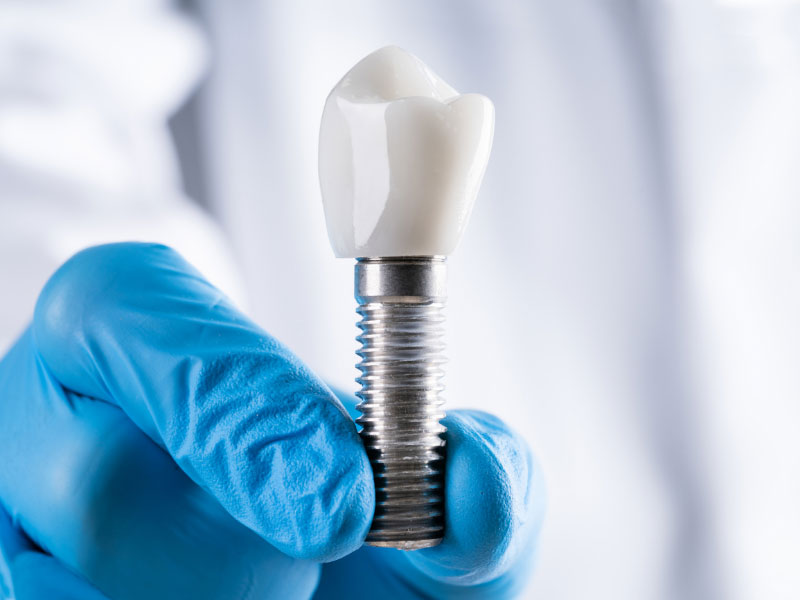
Getting dental implants is a great way to replace missing teeth, but it's normal to feel some discomfort afterward. This pain, while expected, can be managed with the right approach. This article will cover how to relieve pain after dental implant surgery, offering dental implant healing tips to reduce pain and explore the best ways to reduce dental implant pain naturally. Understanding what to expect and how to care for yourself can make a big difference in your recovery process, helping you Reduce Pain After Fixing Dental Implants and get back to your routine.
Key Takeaways
- Some pain and swelling after dental implant surgery are normal as the body heals, typically lasting a few days.
- Prescribed pain medication and over-the-counter options are the first line of defense for managing discomfort.
- Applying cold compresses initially and switching to warm ones later can help reduce swelling and pain.
- Eating soft, cool foods and staying hydrated are crucial for comfort and promoting healing.
- Maintaining good oral hygiene gently, avoiding smoking and alcohol, and getting plenty of rest are vital for a smooth recovery and reducing the risk of complications.
Why Some Discomfort Happens After Dental Implant Placement
It's pretty normal to feel some discomfort after getting a dental implant. Think about it – a small surgical procedure happened in your mouth, involving your gums and jawbone. So, when the anesthesia wears off, a certain level of pain from dental implant work is expected. This initial discomfort usually stems from the surgical site itself. Your body's natural response to any surgery is inflammation, which can lead to soreness and tenderness. The primary reasons for this temporary pain are the manipulation of the gum tissue and the placement of the implant fixture into the bone.
Sometimes, you might experience sharper sensations shortly after the procedure as the numbing effects fade. This is typically managed with over-the-counter or prescribed pain relievers. Beyond the immediate surgical site, other factors can contribute to post-operative discomfort:
- Swelling: The tissues around the implant can swell, adding pressure and a feeling of fullness or aching.
- Gum Tissue Inflammation: The body's healing response can cause inflammation, which might spread to nearby teeth.
- Nerve Irritation: Occasionally, nerves near the surgical area can be temporarily irritated, leading to tenderness.
Understanding that this discomfort is a temporary and expected part of recovery can make a big difference in how you feel about the process. It helps manage expectations and keeps you focused on what you can do to support your healing.
While some level of discomfort is normal, it's important to know the difference between expected soreness and signs that something might be wrong. Paying attention to your body's signals is key to a smooth recovery.
Natural Ways to Reduce Dental Implant Pain and Swelling
Dealing with discomfort after dental implant surgery is pretty common, but thankfully, there are several things you can do at home to help ease the pain and swelling. It's not just about popping pills; simple, natural methods can make a big difference in your recovery.
One of the first things to focus on is rest. Seriously, give your body a break. Avoid any heavy lifting or strenuous activities for a few days. Your body needs to put all its energy into healing that surgical site. Try to sleep with your head propped up a bit, maybe with an extra pillow. This can help keep swelling down.
Cold compresses are also your friend, especially in the first day or two. Wrap an ice pack or a bag of frozen peas in a thin towel and hold it against the outside of your cheek near the implant area. Do this for about 15-20 minutes at a time, then take a break. It really helps numb the area and reduce swelling.
Staying hydrated is super important for healing. Drink plenty of water throughout the day. Just be sure to sip it gently and avoid anything too hot, spicy, or acidic, as these can irritate your mouth. Some people find that sipping on lukewarm chamomile tea can be soothing, too. It's thought to have some calming properties.
When it comes to eating, stick to soft foods for a while. Think smoothies, yogurt, mashed potatoes, or lukewarm soups. This means less chewing, which puts less pressure on the implant. You'll want to avoid anything hard, crunchy, or chewy that could cause discomfort or potentially disrupt the healing site. Chewing on the side opposite your implant can also help.
Gentle oral hygiene is key, even with the soreness. Your dentist will give you specific instructions, but generally, a soft-bristled toothbrush and careful rinsing can help prevent infection, which is a major factor in pain and healing.
Taking care of yourself at home is a big part of how to relieve pain after dental implant surgery. These dental implant healing tips to reduce pain are simple but effective. They are some of the best ways to reduce dental implant pain naturally and help with reducing pain after fixing dental implants.
Here are some quick tips:
- Rest: Prioritize sleep and avoid strenuous activities.
- Cold Compresses: Apply for 15-20 minutes at a time to reduce swelling.
- Hydration: Drink plenty of water; avoid hot, spicy, or acidic drinks.
- Soft Diet: Stick to foods that require minimal chewing.
- Saltwater Rinses: Gently rinse with warm salt water to keep the area clean and reduce swelling.
Habits That Help Prevent Additional Implant Discomfort
Taking good care of yourself after dental implant surgery is key to a smooth recovery. It's not just about managing the pain you feel right away, but also about setting yourself up for fewer problems down the line. Think of it like this: you wouldn't run a marathon without proper training and recovery, right? Your mouth needs that same kind of attention.
One of the most important things you can do is keep the surgical area clean, but gently. Your dentist will give you specific instructions, but generally, starting about a day after your procedure, rinsing with warm salt water can help. Don't swish too hard, though; you don't want to disturb the healing. When you brush your teeth, use a soft-bristled brush and be really careful around the implant. It might feel awkward at first, but consistent, gentle cleaning is vital to prevent infection, which can definitely make things more uncomfortable.
What you eat plays a big role too. For the first few days, stick to soft, cool foods. Things like smoothies, yogurt, mashed potatoes, or scrambled eggs are good choices. They don't require much chewing and won't put extra pressure on the implant. Avoid anything hot, spicy, or crunchy. As you start to feel better, you can slowly introduce slightly firmer foods, but always be mindful of anything that could irritate the healing tissues or get stuck.
Here are some daily habits to keep in mind:
- Rinse Gently: Use warm salt water after meals and before bed. Avoid vigorous swishing.
- Brush Carefully: Use a soft brush on all teeth, cleaning around the implant area with extra care.
- Eat Wisely: Focus on soft, nutrient-rich foods that are easy to chew and swallow.
- Stay Hydrated: Drink plenty of water throughout the day. Avoid sugary or acidic drinks.
Avoiding habits that can slow down healing is also a smart move. This includes things like smoking and drinking alcohol. These can really interfere with your body's ability to repair itself and might even increase the risk of complications. Giving these up, at least for the initial healing period, can make a big difference in how comfortable you feel and how well your implant integrates.
Some people find that natural aids can offer a little extra comfort. Sipping on chamomile tea, for example, can be soothing for oral tissues. If you're considering any supplements or new remedies, though, it's always best to check with your dentist first to make sure they won't interfere with your recovery plan.
When to Seek Professional Advice About Implant Pain
While some soreness after dental implant surgery is totally normal, there are definitely times when you should get in touch with your dental professional. It's not just about the pain itself, but also about what that pain might be telling you about your healing process.
Persistent or worsening pain that doesn't improve with medication is a key signal. If you're experiencing severe, throbbing discomfort that lasts more than a few days, or if the pain seems to be getting worse instead of better, it's time to make a call. This could mean something isn't healing quite right, and your dentist needs to take a look. Remember, the initial discomfort usually peaks within the first 24 to 72 hours after the procedure, and then should start to subside. If yours isn't following that pattern, don't just tough it out.
Here are some other signs that warrant a call to your dental team:
- Increased swelling or redness: While some initial swelling is expected, if it starts to spread, gets significantly worse, or is accompanied by redness, it could indicate an infection.
- Signs of infection: Look out for pus or any unusual discharge from the implant site. A fever over 100.4°F (38°C) is also a serious sign that needs immediate attention.
- Bleeding that won't stop: Some minor bleeding is normal right after surgery, but if it continues heavily for more than 24 hours, contact your dentist.
- A loose implant: You shouldn't feel any movement or instability in the implant itself during the healing phase.
- Persistent bad breath: While not always directly related to pain, a sudden or ongoing foul odor from the implant area can signal a problem.
It's always better to be safe than sorry when it comes to your oral health. Your dentist placed the implant and knows your specific situation. They can assess the healing site, check for any complications, and provide the right guidance to get you back on track. Don't hesitate to reach out if you have any concerns, no matter how small they might seem. Early intervention can make a big difference in the success of your dental implant recovery.
Sometimes, discomfort can also be related to adjacent teeth. If you notice pain or pressure in the teeth next to the implant site, it could be due to temporary pressure as the implant integrates, gum tissue inflammation, nerve irritation, or even an issue with how your bite is aligned. Your dentist can diagnose the cause and make adjustments if needed.
The Long-Term Benefits of Proper Implant Recovery
Once the initial healing period after getting dental implants is behind you, the real advantages start to show. You'll likely notice that any lingering soreness has faded, replaced by a feeling of stability and normalcy in your mouth. This is when the implant truly begins to feel like a natural part of you, becoming unnoticeable in your daily life.
Proper recovery isn't just about getting past the discomfort; it's about setting the stage for lasting oral health and function. When your implants heal well, they integrate properly with your jawbone, providing a strong foundation for your new teeth. This stability is key to enjoying all the benefits that come with them.
Here are some of the significant long-term gains from a well-managed recovery:
- Restored Chewing Ability: You can eat a wide variety of foods comfortably again.
- Improved Speech: Dental implants help prevent the shifting of remaining teeth and the collapse of facial structures that can occur with tooth loss.
- Preservation of Jawbone: Unlike bridges, implants stimulate the jawbone, preventing the bone loss that naturally occurs when teeth are missing.
- Enhanced Self-Confidence: A complete, functional smile can make a big difference in how you feel about yourself.
Taking the time to follow post-operative instructions diligently, even when you start feeling better, is an investment in your future oral health. It's about more than just immediate comfort; it's about ensuring your implants last for years to come and function just like natural teeth.
The long-term goal is for your dental implant to be completely unnoticeable in daily life, allowing you to eat, speak, and smile with confidence.
Wrapping Up Your Recovery
So, while getting dental implants does involve a healing period with some expected discomfort, it doesn't have to be a painful ordeal. By following the advice we've covered – like sticking to soft foods, staying hydrated, using cold compresses when needed, and keeping up with gentle oral care – patients can really help their bodies heal smoothly. Remember, these natural approaches, combined with your dentist's guidance, are your best bet for managing any soreness. If pain becomes severe or doesn't improve, always reach out to your dental team. They're there to make sure your journey to a restored smile is as comfortable as possible. Contact Oral Surgeons PC today to learn more about managing dental implant discomfort and supporting a healthy recovery.
Frequently Asked Questions
How long does pain usually last after getting a dental implant?
Most of the time, folks feel the most soreness for about 3 to 5 days after the surgery. This feeling should get better each day. If the pain is really bad or doesn't go away after a week or so, it's a good idea to call your dentist.
What are the best natural ways to ease implant pain?
Using cold packs on your cheek can help reduce swelling and numb the area. Rinsing your mouth gently with warm salt water can also help keep things clean and reduce swelling. Drinking cool chamomile tea can be soothing, and staying well-hydrated by drinking lots of water is important for healing.
Can I eat normally right after getting a dental implant?
It's best to stick to soft, cool foods for the first few days. Things like smoothies, yogurt, mashed potatoes, and scrambled eggs are good choices. Avoid anything hard, crunchy, or very hot, as these can irritate the implant site and cause more pain.
Is it normal to have swelling after dental implant surgery?
Yes, some swelling is completely normal. It's your body's natural response to the surgery. Using cold compresses on the outside of your cheek can help manage this swelling and make you feel more comfortable.
What should I do if my dental implant pain gets worse?
If you experience severe pain that doesn't get better with the pain medicine your dentist gave you, or if the pain starts to get worse after the first few days, you should contact your dentist right away. It could be a sign of a problem that needs attention.
How does staying hydrated help with implant pain?
Drinking plenty of water is super important for your body to heal properly. It helps flush out bad stuff and keeps your mouth from getting too dry, which can make pain feel worse. So, keep sipping that water!
Blog Post Author

Contributed by DentalROI
DentalROI provides relevant dental content to help providers educate patients. The statements, services, and products referenced in this article have not been evaluated by the Food and Drug Administration, and they are not intended as a substitute for professional medical advice, diagnosis, or treatment. Always seek the advice of your dental provider with any questions or issues you may have. Specific recommendations may vary in different circumstances, so individual consultation is important.