

 CALL THE LOCATION NEAREST YOU
What Is a Bone Graft in Dentistry A Complete Guide
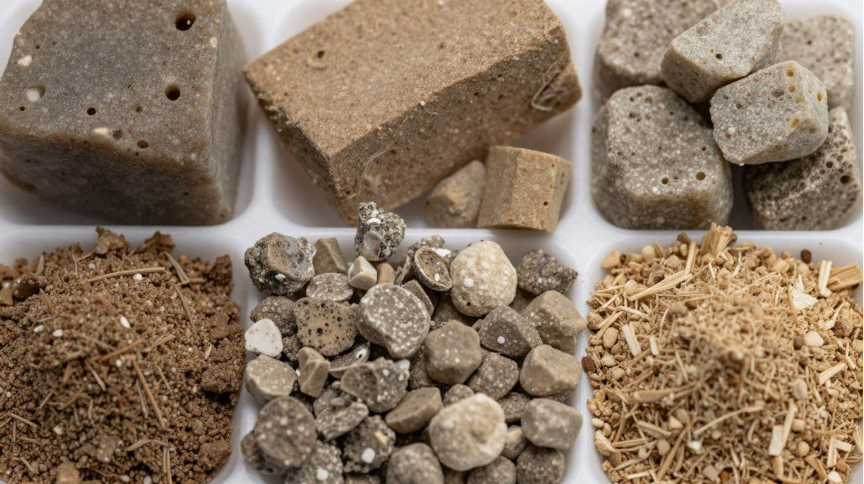
Losing a tooth can be more than just an aesthetic concern; it can significantly impact the health of your jawbone. Over time, the bone that once supported the tooth can start to deteriorate. This is where dental bone grafting comes into play. This guide will explore what is a bone graft in dentistry, why is bone grafting needed in dentistry, and what patients can expect from this important restorative procedure.
Key Takeaways
- A bone graft in dentistry is a procedure to restore or build up jawbone where it has been lost.
- Bone loss can happen due to tooth loss, gum disease, injury, or other factors.
- Dental bone grafting is often necessary to provide a strong foundation for dental implants.
- Graft materials can come from the patient, a donor, or be synthetic.
- The process involves placing graft material to encourage new bone growth, typically taking several months to heal.
Why Bone Health Matters in Dentistry
The health of your jawbone is a really big deal when it comes to your teeth and overall oral well-being. Think of your jawbone as the foundation for your entire smile. Without a solid base, everything else can start to crumble, so to speak.
When teeth are lost, whether due to decay, injury, or gum disease, the bone that used to support them doesn't get the same stimulation it used to. This lack of stimulation can cause the bone to gradually shrink or resorb. It’s not just about losing a tooth; it’s about the potential loss of the bone structure that holds everything in place. This bone loss can affect how your remaining teeth sit, how well dentures fit, and even the shape of your face.
A strong jawbone is absolutely vital for supporting dental implants. These implants are designed to mimic natural tooth roots, but they need enough healthy bone to integrate with and remain stable. If the jawbone isn't thick or dense enough, implants might not be able to fuse properly, leading to potential failure. This is why dentists often assess bone health before recommending implants.
Here are a few key reasons why keeping your jawbone healthy is so important:
- Supports Natural Teeth: Healthy bone provides the necessary support to keep your natural teeth firmly in place.
- Enables Dental Implants: Sufficient bone volume is required for dental implants to be placed successfully and function long-term.
- Maintains Facial Structure: Significant bone loss can lead to changes in facial contours, sometimes causing a sunken appearance.
- Improves Chewing and Speaking: A stable jawbone contributes to better function for everyday activities like eating and talking.
The jawbone plays a silent but critical role in maintaining not just your teeth, but also the structure and function of your entire mouth. Neglecting its health can lead to a cascade of problems that impact your ability to eat, speak, and smile confidently.
If you're concerned about bone loss or are considering options like dental implants, understanding the importance of bone health is the first step toward achieving a stable and healthy smile.
Understanding Bone Grafting in Dentistry
So, what exactly is a bone graft in dentistry? Think of it as a way to rebuild or add bone where it's missing in your jaw. When teeth are lost, or due to things like gum disease or injury, the jawbone can shrink. This is a problem, especially if you're thinking about getting dental implants, because implants need a solid bone foundation to stay put and work right.
Dental bone grafting is a procedure that uses special materials to create a scaffold. Your body then uses this scaffold to grow new bone. It's basically giving your jaw the structure it needs to be healthy and strong again. This process is often a necessary step before other dental work can be done successfully.
Here’s a quick rundown of why this might be needed:
- Jawbone loss: This is the most common reason. It can happen after losing teeth, from gum disease, or even from wearing dentures for a long time.
- Dental implant preparation: Implants need a good amount of bone to anchor into. If there isn't enough, a graft is usually required.
- Reconstruction: Sometimes, bone grafting is used to rebuild the jaw after trauma or surgery.
The goal of dental bone grafting is to restore the volume and shape of your jawbone, making it suitable for future dental treatments and improving the overall health of your mouth.
It’s a pretty common procedure, and dentists have been doing it for a while. The materials used can come from different places, which we'll get into more later, but the main idea is always the same: to help your body regenerate bone.
Common Reasons a Patient May Need a Bone Graft
Sometimes, the jawbone just isn't quite ready for certain dental work, especially if you're thinking about getting dental implants. Bone loss can happen for a few different reasons, and when it does, a bone graft might be the solution to rebuild that foundation.
Here are some common situations where a bone graft becomes necessary:
- Tooth Extractions: When a tooth is removed, the bone that used to support it can start to shrink or resorb. This is especially true if the gap isn't addressed for a while. A graft can help preserve the bone's shape and volume right after extraction, a process sometimes called socket preservation.
- Periodontal (Gum) Disease: Advanced gum disease can damage the bone supporting your teeth. If significant bone loss occurs, grafting might be needed to restore the bone's structure and support for any remaining teeth or for future implant placement.
- Dental Implants: This is a big one. Dental implants need a solid base of healthy bone to anchor into. If your jawbone isn't thick or tall enough due to bone loss, a graft is often performed beforehand to create the necessary support. This significantly improves the success rate and longevity of dental implants.
- Jaw Reconstruction: Sometimes, injuries or long-term use of dentures can lead to significant bone loss in the jaw. A graft can help rebuild the jaw's structure, making it more suitable for supporting replacement teeth, whether they are implants or a more stable denture.
It's important to remember that bone grafting isn't just about filling a gap; it's about creating the right environment for healing and regeneration. The goal is to restore the bone's form and function, making your mouth healthier and ready for restorative treatments.
Not everyone who needs dental work will require a bone graft. Your dentist or oral surgeon will assess your specific situation, often using imaging like 3D scans, to determine if grafting is the best path forward for you. The procedure aims to provide a stable foundation, ensuring that any future dental work is successful and lasts.
Types of Bone Graft Materials Used in Dentistry
When a dentist needs to rebuild or add bone to your jaw, they use different kinds of materials. Think of it like using different types of building blocks depending on the job. These materials come from a few different places, and each has its own benefits.
The most common types of bone graft materials are:
- Autografts: This is bone taken from your own body. Often, it's harvested from your hip, chin, or jaw. Because it's your own bone, your body tends to accept it really well, which can help with healing. The downside is that it requires a second surgical site to get the bone, which means a bit more recovery time.
- Allografts: These grafts use bone from a human donor, usually from a tissue bank. The donor bone is carefully processed and sterilized to make sure it's safe. This is a good option because it avoids needing a second surgical site on your body. It acts as a scaffold for your own bone to grow onto.
- Xenografts: This type of graft uses bone from a non-human source, most commonly from cows. Like allografts, the animal bone is processed and sterilized to be safe and compatible for use in humans. It's a widely used material that helps rebuild bone structure.
- Alloplasts (Synthetic Grafts): These are man-made materials designed to mimic natural bone. They are a great option because they are readily available and eliminate the risk of disease transmission. They can be used alone or sometimes mixed with other graft types.
Sometimes, dentists might even combine different types of materials, like using your own bone along with a donor bone or synthetic material. This is often done to get the best results for specific situations, especially when preparing for dental implants.
The choice of material often depends on the amount of bone needed, the location, and what's best for your individual healing process. Your dental team will discuss the options with you to decide which type is most suitable for your needs.
What to Expect During the Bone Grafting Process
Undergoing a bone graft procedure might sound a bit daunting, but knowing what to expect can make the whole experience much smoother. It's a surgical process, so there's a bit of preparation and recovery involved, but the goal is to give you a stronger foundation for future dental work, like implants.
Before the procedure even happens, there's a planning stage. Your dental team will likely use advanced imaging, like 3D scans, to get a really good look at your jawbone. This helps them figure out the best approach and the type of graft material that will work best for you. They'll also go over any medications you're taking and give you specific instructions on how to prepare, which might include things about eating or drinking beforehand.
On the day of the procedure, you'll be made comfortable. Local anesthesia is standard, and sometimes sedation is offered to help you relax. The actual grafting involves placing the bone material into the area where it's needed. The length of the surgery can vary quite a bit depending on how complex the graft is. The primary goal is to create a stable and healthy bone structure.
After the surgery, you'll be given detailed instructions for recovery. This is a really important part of the process. You'll likely need to stick to a soft diet for a while to avoid putting too much pressure on the graft site. Keeping the area clean is also key, though you'll be shown how to do this gently. Some discomfort is normal, but it's usually manageable with pain medication. Most people can go back to their regular activities fairly quickly, though strenuous exercise might need to be put on hold for a bit. Healing times can vary, but it often takes a few months for the grafted bone to fully integrate with your natural bone.
It's important to watch for any signs of trouble, like severe pain, excessive swelling, or signs of infection. If anything feels off, don't hesitate to reach out to your dental team. They're there to guide you through the healing process and make sure everything is going as planned.
The success of a bone graft relies heavily on both the surgical skill and the patient's commitment to post-operative care. Following all instructions diligently is the best way to ensure the graft integrates properly and sets the stage for successful future treatments.
Wrapping Up: Your Path to a Stronger Smile
So, that's the lowdown on bone grafting in dentistry. It might sound like a big deal, and it is, but it's often a really important step for getting dental implants or fixing up bone that's been lost. Think of it as building a solid foundation so your new teeth can be strong and last a long time. The good news is that this procedure has become pretty routine, and dentists have gotten really good at it. If you're thinking about implants and your dentist mentions bone grafting, it's just part of making sure everything works out well for you in the long run. Talking openly with your dental team about any questions or worries you have is always the best way to go. Contact Oral Surgeons PC today to learn how bone grafting can support dental implants and restore your oral health.
Frequently Asked Questions
What exactly is a dental bone graft?
A dental bone graft is a procedure where a dentist adds or replaces bone material in the jaw. Think of it like building a stronger foundation for your teeth. This is often done when bone has been lost, which can happen after losing a tooth, due to gum disease, or from an injury. The main goal is to rebuild the jawbone so it's strong enough for things like dental implants or to keep your mouth healthy.
Why would someone need a bone graft for dental implants?
Dental implants are artificial tooth roots that need a solid jawbone to hold onto. If there isn't enough bone, or if the bone is too thin, an implant won't be stable. A bone graft adds the necessary bone material to create a strong base, making it possible to place the implant securely and ensuring it lasts for a long time. Without it, implants might not work well or could even fail.
What materials are used for bone grafts?
The bone material can come from a few different places. Sometimes, it's taken from another part of the patient's own body, like the hip or jaw (this is called an autograft). Other times, the bone comes from a donor (allograft), an animal like a cow (xenograft), or is made from synthetic materials (alloplast). Often, donors or animal sources are used because it avoids needing a second surgery site on the patient.
What happens during the bone grafting procedure?
First, the dentist will examine your mouth and take X-rays to see how much bone you have. Then, you'll receive local anesthesia to numb the area. The dentist makes a small cut in your gums to reach the jawbone. The grafting material is placed where bone is needed, and then the gums are closed up with stitches. It's a careful process to get the new bone in the right spot.
How long does it take for a bone graft to heal?
Healing time can vary quite a bit from person to person and depends on how big the graft was. Generally, it takes about 3 to 6 months for the new bone graft to fully connect and become part of your natural jawbone. During this time, your body is busy rebuilding and strengthening the area.
Will I feel pain after the bone graft surgery?
You might feel some discomfort, swelling, or bruising after the surgery, which is normal. Your dentist will likely give you pain medication to help manage any pain. Most patients find that the discomfort is manageable, especially with the help of prescribed medicine and by following the dentist's aftercare instructions carefully.
Blog Post Author

Contributed by DentalROI
DentalROI provides relevant dental content to help providers educate patients. The statements, services, and products referenced in this article have not been evaluated by the Food and Drug Administration, and they are not intended as a substitute for professional medical advice, diagnosis, or treatment. Always seek the advice of your dental provider with any questions or issues you may have. Specific recommendations may vary in different circumstances, so individual consultation is important.