

 CALL THE LOCATION NEAREST YOU
How Long Does it Take to Heal After Wisdom Teeth Removal
Getting your wisdom teeth out can feel like a big deal. You might be wondering how long it'll take to feel normal again. It's a common question, and the truth is, recovery varies for everyone. But understanding the general timeline can help ease your mind. We'll break down what to expect, from the first few days to when things are fully healed.
Key Takeaways
- Full healing after wisdom teeth removal typically takes about 6 to 8 weeks, though you'll feel much better much sooner.
- The first 24 hours are about protecting the new blood clot and managing initial discomfort with pain relievers and ice packs.
- Swelling and pain usually peak around day 3 or 4, after which you should start noticing steady improvement.
- Most people can return to school or work within 3 to 5 days, but strenuous activities might need to wait longer.
- Following your dentist's aftercare instructions, like eating soft foods and rinsing gently, is key to a smooth recovery and preventing complications like dry sockets.
The first 24 hours: protecting the blood clot and managing discomfort
The first day after wisdom teeth removal is all about taking it easy and letting your body start the healing process. Your main goal right now is to protect the blood clot that forms in the socket where the tooth was. This clot is super important because it acts like a natural bandage, keeping the area clean and preventing infection.
Avoid anything that could dislodge this clot. That means no drinking through straws, no spitting forcefully, and definitely no smoking. These actions create suction or pressure that can pull the clot right out, leading to a painful condition called dry socket. You'll also want to be gentle with your mouth overall.
Here’s a quick rundown of what to focus on:
- Pain Management: Take any pain medication your doctor prescribed exactly as directed. Over-the-counter options can also help, but it's good to check with your provider first. Staying ahead of the pain makes a big difference.
- Rest: Seriously, just relax. Try to avoid any strenuous activities or heavy lifting. Elevating your head with extra pillows when you lie down can also help reduce swelling.
- Hydration: Sip water gently. Avoid carbonated drinks, caffeine, and alcohol for now. Staying hydrated is good, but how you drink matters.
- Diet: Stick to soft, cool foods. Think smoothies (but don't use a straw!), yogurt, applesauce, or lukewarm soups. Anything too hot, too hard, or too crunchy can irritate the extraction site.
You might notice some bleeding, swelling, and soreness. This is all pretty normal. The swelling usually gets worse before it gets better, often peaking around day two or three. Just keep the area clean by gently rinsing with warm salt water, but wait until after the first 24 hours to start those rinses. And remember, don't swish too hard!
Brushing your teeth is still important to keep things clean, but be extra careful around the surgical areas. You can use a soft manual toothbrush and just gently clean the parts of your mouth that aren't directly affected by the extraction. If you have any concerns or notice excessive bleeding or pain that isn't managed by medication, don't hesitate to reach out to your dental professional.
Days 2–3: peak swelling and the body’s natural response
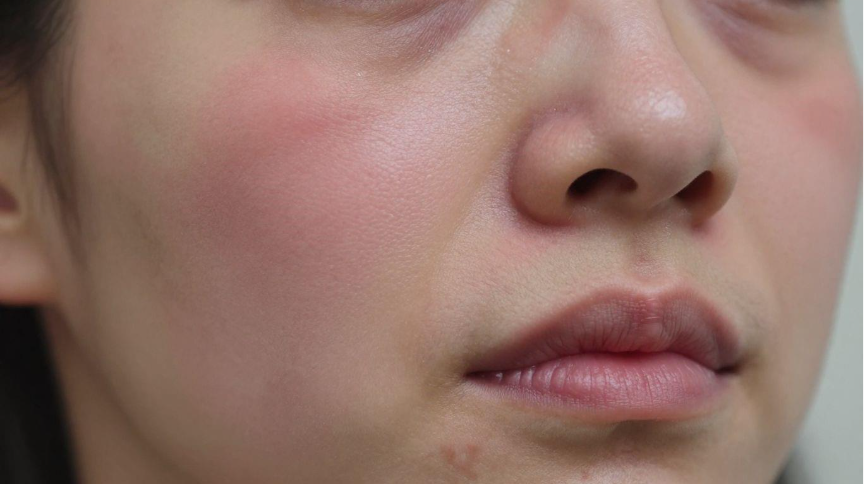
By the second and third day after your wisdom teeth are removed, you'll likely notice that swelling has reached its peak. This is a completely normal part of your body's healing process. Think of it as your immune system sending in the repair crew. You might also see some bruising around your cheeks or jawline, which is also expected.
The discomfort you're feeling is usually at its highest during this time, but it should start to gradually decrease. Managing this discomfort is key, so keep up with any pain medication your doctor prescribed. Gentle saltwater rinses, starting about 24 hours after surgery, can help keep the area clean without being too harsh. Just remember to rinse gently – no vigorous swishing!
Here's a quick look at what's happening and what to focus on:
- Swelling Management: Continue using cold compresses for the first 24-48 hours, then switch to warm compresses to help with stiffness and soreness.
- Oral Hygiene: Brush your teeth gently, carefully avoiding the surgical sites. Continue with the gentle saltwater rinses.
- Diet: Stick to soft foods like yogurt, mashed potatoes, and soups. Avoid anything too hot, crunchy, or hard.
- Rest: Avoid strenuous activities. Your body needs energy to heal, so take it easy.
It's important to keep an eye on your symptoms. While increased swelling and discomfort are normal, if you notice your pain getting significantly worse instead of better, or if you develop a fever, it's a good idea to reach out to your oral surgeon. They can check if everything is on track or if there's something more going on.
Your mouth has an amazing ability to heal itself, thanks to good blood flow and saliva. During these early days, your body is busy replacing the initial blood clot with new tissue, laying the groundwork for recovery.
Most people can start returning to light activities around this time, but it really depends on how you're feeling. Listen to your body and don't push yourself too hard. You can find more information on managing swelling and discomfort after surgery.
Days 4–7: noticeable improvement and return to routine
By this point in your recovery, things should be feeling significantly better. The intense swelling and discomfort you might have experienced in the first few days usually starts to decrease. You'll likely notice that the extraction sites are looking less raw and more like your natural gum tissue is beginning to fill them in. This is a really good sign that your body is doing its job healing.
Most people can start returning to their normal daily activities around day four or five. This means heading back to work or school, though you might want to take it easy if your job involves a lot of physical exertion. Anything that gets your heart rate up too high could potentially increase swelling or cause some bleeding, so it's wise to be mindful of that. You'll probably still want to stick to softer foods, but you can likely start adding a bit more variety than just soup and yogurt.
Here's a general idea of what to expect during this week:
- Decreasing Swelling and Pain: The puffiness in your cheeks should be going down, and any pain should be much more manageable, likely controlled with over-the-counter pain relievers.
- Improved Comfort: Eating and drinking become easier as the tenderness lessens. You can start reintroducing more solid, but still soft, foods.
- Visible Healing: The extraction sites will look less like open wounds and more like healing tissue. The holes will appear smaller.
- Return to Routine: You can generally resume most non-strenuous daily activities.
It's important to keep up with your oral hygiene, but be gentle. Rinsing with salt water after meals is still a good idea to keep the area clean without disturbing the healing tissue. Brushing your teeth should be done carefully, avoiding the surgical sites.
If you notice that your pain or swelling suddenly gets worse after a few days of improvement, or if you see any signs of infection like fever or pus, don't hesitate to contact your dental professional. It's usually nothing, but it's always best to get it checked out.
While you're feeling better, remember that the healing isn't completely finished yet. The surface is healing nicely, but there's still work happening underneath.
Weeks 2–3: surface healing and improved comfort
By the time you reach the two-to-three-week mark after your wisdom teeth removal, things should feel noticeably better. You'll likely see that the extraction sites are starting to look less like open wounds and more like healing tissue. This is when your body is really getting into the groove of rebuilding.
The hole where your tooth used to be will appear smaller, and the edges will start to soften and round out. This visual change often brings a sense of relief, as the healing process becomes more apparent. You might find that food doesn't get stuck in the area quite as much, which is a welcome improvement. It's during this period that the soft tissue begins to grow more actively into the extraction site, filling it in.
While you're likely feeling more comfortable, it's still important to be mindful of your healing. Here's a quick rundown of what's happening and what to keep in mind:
- Tissue Growth: New gum tissue is actively filling in the socket. This is a key part of how long does wisdom teeth removal take to heal.
- Comfort Levels: Pain and swelling should be significantly reduced compared to the first week.
- Dietary Adjustments: You can usually start reintroducing a wider variety of foods, but still avoid anything too hard or crunchy that could irritate the healing sites.
- Oral Hygiene: Continue with gentle salt water rinses after meals and brushing carefully around the area.
It's important to remember that how long does impacted wisdom teeth removal take to heal can vary, but this stage shows significant progress. Similarly, how long does top wisdom teeth removal take to heal might differ slightly from lower extractions, but the general healing pattern is similar.
You might notice some slight discoloration or a whiteish appearance in the healing area. This is typically just new tissue forming and is a normal part of the process, not usually a sign of infection.
Most people find that by this point, they can resume most of their normal daily activities without much discomfort. The question of how long does wisdom teeth take to heal after removal is often answered with significant improvement by this stage, though complete healing takes longer.
Full healing: what happens beneath the surface
While the visible signs of healing, like the closing of the extraction site, become more apparent in the weeks following your procedure, the real work is happening deeper down. Your body is busy rebuilding tissue and bone, a process that takes time and patience. Think of it like building a house; the exterior might look finished, but the internal structure is still being put in place.
Beneath the surface, your body is replacing the initial blood clot with granulation tissue. This is a temporary, but vital, scaffolding that new cells use to grow. Over time, this granulation tissue matures into healthy gum tissue and, eventually, bone. This intricate process involves a complex interplay of cells and growth factors, all working to restore the area to its pre-extraction state. The rich blood supply in your mouth really helps speed things up, creating an ideal environment for this regeneration.
The complete restoration of the bone and gum tissue is what signifies full healing. While you might feel back to normal much sooner, this deeper, internal healing is what ensures long-term stability and health.
Here's a general idea of what's happening internally:
- Weeks 1-3: Granulation tissue starts forming, filling the socket. The gum tissue begins to grow over this new tissue.
- Weeks 4-6: The gum tissue continues to fill in, and the bone begins to remodel and strengthen.
- Months 1-6+: The bone continues to fill in and mature, eventually becoming indistinguishable from the surrounding bone. The gum tissue should be fully closed and appear normal.
It's important to remember that everyone heals at their own pace. Factors like the complexity of the extraction and your overall health can influence the timeline. If you have concerns about your healing progress, don't hesitate to reach out for professional guidance. Keeping the area clean with gentle rinses is key throughout this entire process to support healthy healing during recovery.
Wrapping Up Your Recovery
So, while wisdom teeth removal can feel like a big deal, remember that your body is built to heal. Most people are back to their normal routines within a few days to a week, though the extraction sites themselves can take a couple of months to fully close. Following your dentist's instructions about rest, diet, and gentle care is key. If anything feels off, like pain that gets worse or signs of infection, don't hesitate to reach out to your dental professional. They're there to help you through it and make sure you heal up right.
Frequently Asked Questions
How long does it usually take to recover from wisdom teeth removal?
Most people feel much better and can return to their normal activities within about three to five days after having their wisdom teeth removed. However, the entire healing process, especially for the tissue beneath the surface, can take a few weeks. It's important to follow your dentist's instructions for the best recovery.
When will the pain and swelling go down?
Pain and swelling are usually at their worst around the third or fourth day after surgery. After this peak, you should start to notice them getting better each day. Using ice packs in the first couple of days and then warm compresses can help manage swelling and stiffness.
What kind of food can I eat after surgery?
For the first few days, it's best to stick to soft foods like yogurt, smoothies, soup, mashed potatoes, and scrambled eggs. Avoid anything hard, crunchy, or chewy, as these can irritate the healing areas or get stuck. You can slowly add more solid foods back into your diet as you feel more comfortable, usually after a few days.
Is it okay to drink through a straw after wisdom teeth removal?
No, it's important to avoid drinking through straws for at least the first few days. The sucking motion can cause the protective blood clot in the extraction site to come loose. This can lead to a painful condition called dry socket, which can slow down healing.
When can I go back to work or school?
Many people can return to work or school within three to five days after their wisdom teeth are removed. If your job or school activities involve a lot of physical effort or heavy lifting, you might need a few extra days to rest. It's best to ask your dentist for advice based on your specific situation.
What are the signs that something might be wrong with my healing?
While healing usually goes smoothly, you should contact your dentist if you experience worsening pain or swelling after the first few days, a fever, bleeding that won't stop, or a bad taste or smell from the extraction site. These could be signs of infection or another complication that needs attention.
Blog Post Author

Contributed by DentalROI
DentalROI provides relevant dental content to help providers educate patients. The statements, services, and products referenced in this article have not been evaluated by the Food and Drug Administration, and they are not intended as a substitute for professional medical advice, diagnosis, or treatment. Always seek the advice of your dental provider with any questions or issues you may have. Specific recommendations may vary in different circumstances, so individual consultation is important.