
 CALL THE LOCATION NEAREST YOU
Why No Dairy After Dental Implants
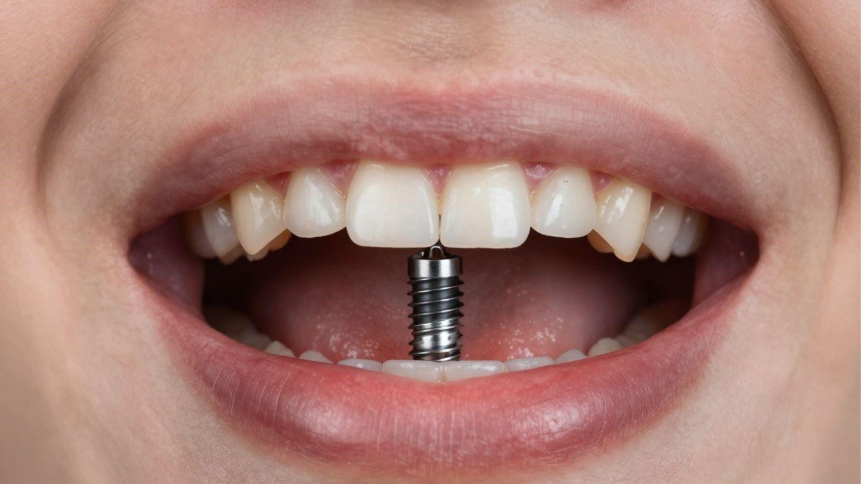
Getting a dental implant is an important step for a healthy smile, but the recovery period requires special care—especially regarding diet. Many dentists recommend avoiding dairy for the first few days after surgery to support healing and reduce potential complications.
Key Takeaways
- Avoiding dairy helps prevent bacterial growth and infection at the surgical site.
- Dairy, especially sugary products, can leave a residue that encourages bacteria.
- Some people experience nausea or discomfort from dairy, particularly cold items.
- Dairy can sometimes interact with medications like antibiotics or pain relievers.
- Soft, non-dairy foods and dairy alternatives support healing and oral hygiene.
Healing After Dental Implant Surgery
After surgery, your mouth enters a sensitive healing phase. Swelling and tenderness are common, and the surgical site requires protection. Soft, gentle foods reduce stress on the implant and surrounding tissue while preventing disruption of the blood clot.
Foods to Avoid Initially:
- Hard, crunchy, or sticky foods
- Very hot or very cold foods and drinks
- Spicy or acidic foods
Why Dairy Can Be Problematic
Even though dairy is often healthy, it can interfere with healing in several ways:
- Infection risk: Sugary dairy products can create a sticky film that encourages bacterial growth.
- Discomfort: Cold dairy items like ice cream can irritate the surgical site.
- Medication interactions: Dairy may affect absorption or efficacy of antibiotics and pain relievers in some cases.
- Mucus production: Dairy can increase mucus, making breathing slightly uncomfortable after oral surgery.
Most dentists recommend avoiding dairy for the first 48–72 hours after surgery, after which you can gradually reintroduce it as advised.
Dairy Products to Avoid
- Milk (all types)
- Cheese
- Yogurt
- Ice cream
- Butter and cream
Good Dairy-Free Alternatives
To support healing, focus on soft, easy-to-eat, and nutritious foods:
- Protein: Scrambled eggs, tofu, plant-based smoothies (almond, soy, oat milk)
- Carbs: Mashed potatoes, pureed fruits like applesauce
- Soups: Lukewarm broths or pureed vegetable soups (avoid spicy or hard bits)
- Calcium sources: Fortified plant-based milks, blended leafy greens
Medications and Dairy Interactions
Dairy may occasionally interfere with antibiotics or pain medications. To avoid digestive discomfort or reduced medication efficacy, consult your dentist or pharmacist regarding any food-drug interactions during recovery.
How Avoiding Dairy Supports Healing
- Lower infection risk: Reduces bacterial growth on the surgical site.
- Reduced discomfort: Helps prevent nausea and irritation caused by dairy and cold foods.
- Easier recovery: Supports proper healing and integration of the implant.
Wrapping Up
Avoiding dairy for the first few days after dental implant surgery is a simple yet effective step to help your mouth heal properly. Focus on soft, non-dairy foods, follow your dentist’s instructions, and gradually reintroduce dairy as recommended. This approach maximizes healing, reduces infection risk, and sets your implant up for long-term success. Contact Oral Surgeons PC today to learn more about proper dietary guidelines after dental implant surgery.
- Contact Oral Surgeons PC today to learn more about proper dietary guidelines after dental implant surgery.
Frequently Asked Questions
- Contact Oral Surgeons PC today to learn more about proper dietary guidelines after dental implant surgery.
Why is dairy avoided after dental implant surgery?
Dairy, especially sugary or cold items, can encourage bacteria, increase mucus, and irritate the surgical site during the initial healing period.
How long should I avoid dairy?
Typically 48–72 hours after surgery, but follow your dentist’s instructions for your specific recovery timeline.
Can dairy interfere with medications?
Yes, some antibiotics and pain relievers may interact with dairy, affecting absorption or causing mild digestive discomfort.
What are good dairy-free foods during recovery?
Soft, nutritious options like scrambled eggs, mashed potatoes, applesauce, soups, and smoothies made with plant-based milks.
Does avoiding dairy help the implant heal faster?
Yes, it reduces infection risk, inflammation, and irritation, creating a better environment for the implant to integrate with the jawbone.
Which dairy foods are most problematic?
High-sugar dairy like milkshakes, flavored yogurt, and very cold items like
Blog Post Author

Contributed by DentalROI
DentalROI provides relevant dental content to help providers educate patients. The statements, services, and products referenced in this article have not been evaluated by the Food and Drug Administration, and they are not intended as a substitute for professional medical advice, diagnosis, or treatment. Always seek the advice of your dental provider with any questions or issues you may have. Specific recommendations may vary in different circumstances, so individual consultation is important.