

 CALL THE LOCATION NEAREST YOU
Who Is Better For Dental Implants Oral Surgeon Or Periodontist
Deciding who should place your dental implants can feel a bit confusing. You've probably heard of both oral surgeons and periodontists, and maybe even general dentists, all doing this kind of work. It's a common question: who is better for dental implants, an oral surgeon or a periodontist? The truth is, both are specialists with advanced training, but their focus areas are a bit different. Let's break down what each does and when you might see one over the other.
Key Takeaways
- Oral surgeons have extensive training in complex surgical procedures of the mouth, jaw, and face, making them highly qualified for dental implant surgery, especially in challenging cases.
- Periodontists specialize in gum health and the supporting structures of teeth, and they are also well-trained in placing dental implants, often focusing on the gum and bone environment around the implant.
- The difference between an oral surgeon and a periodontist lies mainly in their broader surgical training versus their specialized focus on gum and bone health.
- Both oral surgeons and periodontists are qualified to do implants, but oral surgeons often handle more complex cases requiring bone grafting or extensive reconstruction.
- While general dentists can sometimes place implants, specialists like oral surgeons and periodontists are generally recommended for optimal results due to their focused training and experience.
What Dental Implants Are and Why Specialist Care Matters
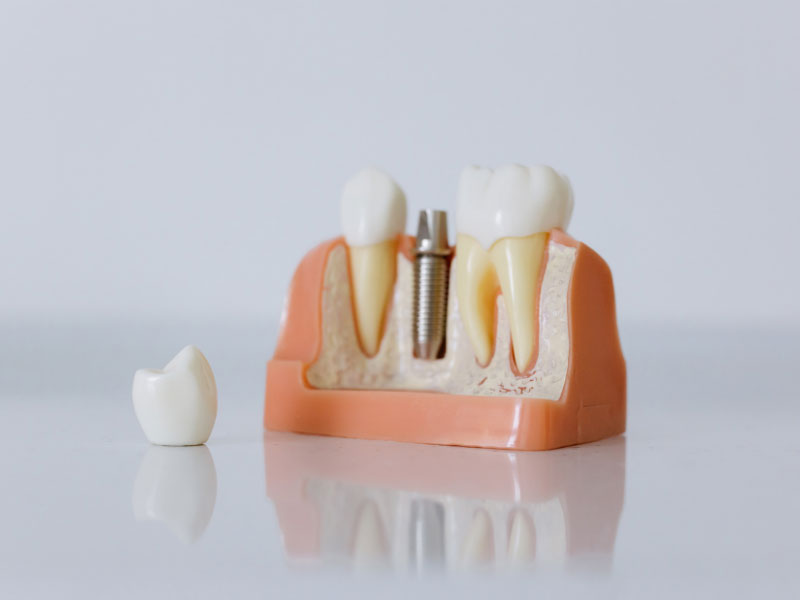
Dental implants are essentially artificial tooth roots, usually made of titanium, that are surgically placed into the jawbone. They provide a stable foundation for replacement teeth, whether it's a single crown, a bridge, or a full set of dentures. Unlike traditional dentures or bridges, implants fuse with your bone, offering a more permanent and natural-feeling solution. This integration allows for normal brushing and flossing, which is a big deal for keeping your mouth healthy and avoiding future issues like decay and gum disease.
When you're considering dental implants, it's not just about getting a new tooth; it's about a significant surgical procedure that impacts your overall oral health. This is why thinking about who is best qualified to do dental implants is so important. It's a complex process that requires a deep understanding of both the surgical aspects and the surrounding oral structures. Getting it right from the start can make a huge difference in the long-term success and feel of your implants. It’s not a one-size-fits-all situation, and the right specialist can mean a smoother process and better results.
Here's a quick look at why specialist care is so vital:
- Surgical Precision: Placing an implant involves precise drilling and positioning within the jawbone, often near nerves and sinuses. Specialist training ensures this is done with accuracy.
- Bone and Gum Health: The success of an implant relies heavily on the health of your jawbone and gums. Specialists are trained to assess and manage these tissues effectively.
- Long-Term Stability: Proper placement and care contribute to how long your implant lasts. Specialists focus on creating conditions for lasting success.
- Aesthetics: For implants in visible areas, achieving a natural look requires skill in managing the gum line and surrounding teeth.
Choosing the right professional is a big decision for your smile and health. It's about more than just filling a gap; it's about restoring function and confidence with a procedure that needs careful planning and execution. You want someone with the right skills and experience to handle your specific needs, ensuring the best possible outcome for your oral health.
The complexity of dental implant surgery means that the skill and experience of the practitioner are paramount. It's not a procedure to be taken lightly, and selecting a specialist trained in implantology can significantly increase the chances of a successful and long-lasting result.
What an Oral Surgeon Specializes In
When you're looking into dental implants, you'll hear about different specialists. One of them is the oral surgeon, also known as an oral and maxillofacial surgeon. These folks go through a lot of extra training after dental school, usually around 4 to 6 years, often in a hospital setting. Their focus is on surgical procedures involving the mouth, jaw, face, and neck. This means they're trained for a wide range of complex issues.
Oral surgeons are well-equipped to handle things like:
- Impacted wisdom teeth and other difficult extractions.
- Facial trauma, including broken jaws or cheekbones.
- Jaw alignment problems and temporomandibular joint (TMJ) disorders.
- Biopsies for suspicious oral tissues.
- Reconstructive surgery after injuries or cancer treatment.
When it comes to dental implants, oral surgeons are definitely involved. They often handle cases that require more extensive work, like significant bone grafting or sinus lifts to prepare the jaw for an implant. Their deep knowledge of facial anatomy helps them place implants precisely. They are also highly proficient in managing all levels of anesthesia, from local to general, which is important for more complex surgeries. This broad surgical background means they can often manage the entire implant process, from initial preparation to the final placement. Understanding the difference between a periodontist and an oral surgeon is key when deciding who is better for dental implants. While both specialists can place implants, the oral surgeon's training leans heavily into complex surgical interventions. This can be a significant factor in cases where the jawbone needs substantial work before implants can be placed. They are prepared for situations that go beyond just the gums and supporting bone, looking at the whole facial structure. Oral surgeons do implants and are often the go-to for challenging cases.
What a Periodontist Specializes In
Periodontists are dental specialists who focus on the supporting structures of your teeth, primarily the gums and bone. Think of them as the experts in gum health. They undergo extensive training beyond dental school, specifically in the prevention, diagnosis, and treatment of diseases affecting these crucial tissues. This includes conditions like gingivitis and more advanced periodontitis, often referred to as gum disease.
When it comes to dental implants, periodontists play a significant role. They bring a deep understanding of soft tissue and bone biology to the process. Their approach often involves a thorough assessment of your existing gum health and bone structure before any implant is placed. They are skilled in procedures like gum grafting to ensure there's enough healthy tissue around the implant, and bone augmentation if needed to provide a stable base. This focus on the surrounding tissues is key for both the long-term success and the aesthetic appearance of dental implants.
Here's a breakdown of what periodontists specialize in:
- Gum Disease Treatment: From early stages to severe cases, they manage gum infections and inflammation.
- Gum Recession: They can treat receding gums, which can expose tooth roots and lead to sensitivity.
- Cosmetic Gum Procedures: This includes procedures to improve the appearance of your smile by reshaping or augmenting gum tissue.
- Dental Implant Placement: Yes, do periodontists do implants? Absolutely. They are highly qualified to place implants, especially when the health of the surrounding bone and gums is a primary concern.
- Regenerative Procedures: They can perform treatments to help regrow bone and gum tissue that may have been lost due to disease.
Periodontists are often the go-to specialists when gum health is compromised, as a healthy foundation is vital for any dental work, including implants. Their specialized training allows them to address complex issues related to the gums and bone, aiming for both function and a natural look.
Their detailed knowledge of periodontal health makes them particularly adept at preparing the mouth for implants and ensuring the tissues around them remain healthy for years to come. You can find more about their educational background in periodontics and implant dentistry.
Key Differences Patients Should Understand
When you're looking into dental implants, it's natural to wonder who's the best fit for the job. Both oral surgeons and periodontists have specialized training, but their focus areas are a bit different. Think of it like this: an oral surgeon has a broader surgical background, dealing with the jaw, face, and mouth structures. They're often the go-to for more complex surgical needs, including extensive bone grafting or when you might need deeper sedation. They handle the whole surgical picture, from planning to recovery.
A periodontist, on the other hand, really hones in on gum health and the structures that hold your teeth in place. They're experts in treating gum disease and making sure the foundation for your implant is solid. Their approach often emphasizes meticulous care of the gum tissues around the implant, aiming for both function and a natural look, especially for front teeth. They're particularly skilled when there are existing gum or bone issues that need addressing before or during implant placement.
Here's a quick rundown:
- Oral Surgeon: Focuses on the surgical aspects of the mouth and jaw, skilled in complex procedures, bone grafting, and anesthesia.
- Periodontist: Specializes in gum health, bone structure around teeth, and managing gum disease, with a keen eye for aesthetic gum tissue around implants.
The main takeaway is that both are highly qualified, but the complexity of your case and your specific oral health situation might lean you towards one specialist over the other. It's always a good idea to discuss your needs with your general dentist first, as they can help guide you toward the right specialist for your dental implant needs.
Situations Where One Specialist May Be Recommended
Sometimes, your dental needs might point more clearly toward one specialist over the other. It's not always a clear-cut choice, but certain situations can help guide you and your general dentist in making the right referral.
For instance, if the primary concern is advanced gum disease that has caused significant bone loss or made teeth loose, a periodontist is often the go-to specialist. They have a deep focus on the health of the gums and the bone supporting your teeth. They're skilled in procedures to treat severe gum disease, regenerate lost bone, and prepare the mouth for implants, especially when the gum health needs a lot of attention first.
On the other hand, if you need a dental implant and have a history of complex extractions, jaw issues, or require sedation for procedures, an oral surgeon might be recommended. Their training includes extensive surgical work on the jaw and face, and they are well-equipped to handle more complicated surgical aspects, including managing anesthesia for anxious patients or those with certain medical conditions. They are often the specialists who handle the most complex surgical reconstructions or corrections of the jaw and facial structures.
Here's a quick look at common scenarios:
- Advanced Gum Disease: If your gums are severely inflamed, bleeding a lot, or receding significantly, and there's been bone loss, a periodontist is usually the first choice. They focus on restoring the health of your gum tissue and supporting bone.
- Complex Tooth Extractions or Jaw Surgery: For impacted wisdom teeth that are very difficult to remove, jaw alignment issues, or facial trauma requiring surgery, an oral surgeon's broad surgical training is key.
- Implant Placement with Significant Bone Grafting: While both can place implants, if extensive bone grafting or reconstruction is needed to support an implant, an oral surgeon's surgical background might be more suited.
- Patients Needing Sedation: If you have dental anxiety or medical issues that require careful management during surgery, oral surgeons often have more extensive training in administering various levels of anesthesia.
It's important to remember that these specialists often work together. A periodontist might treat the gum disease and prepare the site, and then an oral surgeon might perform a complex bone graft before the implant is placed. Your general dentist plays a vital role in assessing your situation and recommending the best path forward, often coordinating care between specialists if needed.
So, Who Should Place Your Dental Implants?
Deciding between an oral surgeon and a periodontist for your dental implants can feel a bit overwhelming. Both are highly trained dental specialists with the skills to place implants. Oral surgeons often handle more complex cases, including significant bone grafting or when deeper sedation is needed, thanks to their extensive surgical background. Periodontists, on the other hand, bring a specialized focus on gum health and the supporting structures, making them excellent for cases where gum condition is a key factor. In many straightforward cases, either specialist, or even a general dentist with advanced implant training, might be suitable. The best approach is to discuss your specific situation with your general dentist, who can recommend the right specialist based on your oral health needs and the complexity of the procedure. Ultimately, the goal is a successful implant placement that restores your smile and function for years to come. Contact Oral Surgeons PC today to determine whether an oral surgeon is the right choice for your dental implant treatment.
Frequently Asked Questions
What is the main difference between an oral surgeon and a periodontist?
An oral surgeon is like a surgeon for your whole mouth and jaw area, handling complex issues like broken jaws or serious infections. A periodontist focuses more specifically on the health of your gums and the bone that holds your teeth in place. Think of an oral surgeon as a general surgeon for the mouth, and a periodontist as a specialist for gums and supporting structures.
Can a periodontist place dental implants?
Yes, periodontists are trained and often perform dental implant procedures. They have a deep understanding of gum health and bone, which are crucial for successful implants. They are especially skilled when gum or bone issues need to be addressed alongside implant placement.
When might an oral surgeon be a better choice for dental implants?
An oral surgeon might be preferred for dental implants if the case is very complex. This could involve needing significant bone grafting to build up the jawbone, or if you have other health issues that require more advanced medical management during surgery. Their extensive surgical training also means they are very comfortable with various types of anesthesia.
Do general dentists perform dental implants?
Some general dentists do perform dental implant procedures, especially if the case is straightforward. However, many dentists prefer to refer patients to specialists like oral surgeons or periodontists for implant placement to ensure the highest level of expertise and care, particularly for more challenging situations.
Can an oral surgeon and a periodontist work together on implants?
Absolutely. In some cases, the best outcome is achieved when an oral surgeon and a periodontist collaborate. For example, an oral surgeon might handle complex bone grafting, while a periodontist ensures the gum tissue is perfectly prepared and maintained around the implant for a great look and long-term health.
How do I decide who is best for my dental implants?
The best person to guide you is your general dentist. They know your overall oral health and can assess whether your needs are best met by an oral surgeon's broad surgical skills or a periodontist's specialized focus on gums and bone. They will recommend the specialist most suited for your specific situation.
Blog Post Author

Contributed by DentalROI
DentalROI provides relevant dental content to help providers educate patients. The statements, services, and products referenced in this article have not been evaluated by the Food and Drug Administration, and they are not intended as a substitute for professional medical advice, diagnosis, or treatment. Always seek the advice of your dental provider with any questions or issues you may have. Specific recommendations may vary in different circumstances, so individual consultation is important.