

 CALL THE LOCATION NEAREST YOU
What Are the Benefits of Removing Wisdom Teeth?
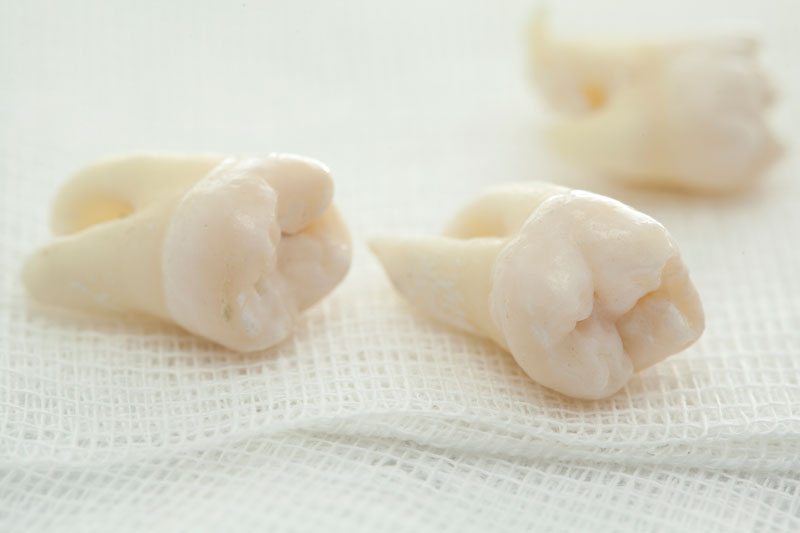
Wisdom teeth, the last teeth to come in, often show up in a person's late teens or early twenties. While some people's mouths have enough room for them, many find these extra molars cause trouble. This can lead to pain, crowding, and other dental issues. Understanding the benefits of removing wisdom teeth can help you decide if this common procedure is the right choice for your smile. Getting your wisdom teeth removed early can prevent a lot of future problems.
Key Takeaways
- Removing wisdom teeth can stop pain and discomfort caused by impaction or pressure on other teeth.
- Extraction helps prevent overcrowding and keeps your smile aligned, potentially avoiding future orthodontic work.
- Getting your wisdom teeth removed lowers the chances of infections and gum disease developing in hard-to-clean areas.
- Early removal can protect adjacent teeth from decay and damage, and makes daily cleaning easier.
- Addressing wisdom teeth proactively can save you from more complex and costly dental problems down the road.
Understanding Wisdom Teeth and Why Problems Occur
Most people get their third set of molars, known as wisdom teeth, sometime between their late teens and early twenties. Ideally, these teeth come in straight and healthy, fitting nicely into the back of your mouth. However, this doesn't always happen. Because there's often not enough room in the jaw for them, wisdom teeth can cause a whole host of issues.
When these molars try to push through the gums, they can become impacted. This means they're stuck, either partially or completely, beneath the gum line. This impaction can lead to several problems:
- Crowding: As the wisdom teeth try to emerge, they can put pressure on the teeth in front of them. This can cause those teeth to shift, leading to misalignment and overcrowding in your mouth.
- Damage to Adjacent Teeth: The roots of wisdom teeth can grow at odd angles, sometimes even growing into the roots of the neighboring molars. This can damage the enamel and roots of these important teeth.
- Difficulty Cleaning: Even if wisdom teeth manage to erupt fully, their position at the very back of the mouth makes them incredibly hard to clean. This makes them prime spots for plaque buildup, leading to decay and gum problems.
- Infection and Cysts: When wisdom teeth are impacted or only partially erupted, they create a space where food particles and bacteria can get trapped. This can lead to painful infections, inflammation, and even the formation of cysts around the tooth.
It's not uncommon for wisdom teeth to cause problems without immediately obvious symptoms. Sometimes, the issues are only noticed during routine dental check-ups when a dentist spots early signs of crowding or potential damage.
These issues can range from mild discomfort to more serious complications that affect not just your teeth but also your jaw and overall oral health. Recognizing the potential for these problems early on is key to preventing more significant dental issues down the road.
Protecting Adjacent Teeth From Damage
Wisdom teeth, those final molars to emerge, can sometimes cause trouble for the teeth already in place. Because they are the last to arrive, they often find themselves with limited space. This can lead to them pushing against the teeth in front of them, potentially causing damage. This pressure can shift your other teeth out of alignment.
When wisdom teeth try to erupt at an angle, they can exert force on the roots of your second molars. Over time, this can lead to discomfort and even damage the roots of these important teeth. It's like trying to fit an extra piece into a puzzle that's already full – something has to give.
Here's how wisdom teeth can affect your other teeth:
- Crowding: They can push your other teeth forward, leading to a crowded appearance and making cleaning more difficult.
- Root Damage: The roots of wisdom teeth can sometimes grow into or damage the roots of adjacent teeth.
- Enamel Wear: Constant pressure might contribute to the wearing down of enamel on neighboring teeth.
It's also worth noting that impacted wisdom teeth can create a situation where food particles and bacteria get trapped. This environment can lead to decay not just in the wisdom tooth itself, but also in the teeth right next to it. Removing them early can help prevent these issues and keep your smile healthy. Considering a consultation for wisdom teeth removal can be a proactive step in safeguarding your dental health.
Lowering the Risk of Infection and Gum Disease
Wisdom teeth, often the last to emerge, can present unique challenges to oral health. Because they are positioned so far back in the mouth, they can be quite difficult to clean effectively. This makes them prime spots for food particles and bacteria to gather, creating an environment ripe for problems.
When wisdom teeth don't fully erupt or become impacted, they can create small pockets or spaces between the tooth and the gum line. These areas are hard to reach with regular brushing and flossing, allowing bacteria to multiply. This buildup can lead to inflammation of the gums, a condition known as gingivitis, and if left untreated, it can progress to more serious gum disease (periodontitis). This can eventually lead to bone loss and even the loss of adjacent teeth.
Infections can also arise from partially erupted wisdom teeth. The exposed gum tissue is more vulnerable to bacteria, potentially causing painful swelling and discomfort. Sometimes, cysts can form around an impacted wisdom tooth, which can damage the jawbone and surrounding teeth. Addressing wisdom teeth early can help prevent these issues from developing.
Here are some ways removing wisdom teeth helps:
- Reduces bacterial buildup: By removing the teeth, you eliminate hard-to-clean areas where bacteria thrive.
- Prevents gum inflammation: Less trapped debris means less irritation to the gums.
- Minimizes infection risk: Eliminating potential sites for infection keeps your mouth healthier.
- Protects surrounding teeth: Prevents decay and damage that can spread from infected wisdom teeth.
Taking proactive steps, like considering wisdom teeth removal, is a smart way to maintain a cleaner mouth and avoid future dental troubles. It's a key part of keeping your gums healthy and preventing more significant issues down the road. You can learn more about managing gum health on the oral surgeon's website.
Advantages of Early Evaluation and Treatment
Getting your wisdom teeth checked out early, usually in your late teens or early twenties, can really make a difference. It's not just about waiting until something hurts. Dentists often recommend this early look because wisdom teeth can cause problems even when they aren't causing obvious pain.
Thinking about wisdom teeth removal sooner rather than later can help prevent a whole host of issues down the road. For example, if your wisdom teeth are growing in at an angle, they can start pushing against your other teeth. This crowding can mess up the alignment you might have worked hard to achieve with braces or other orthodontic treatments. Removing them early means you're protecting that investment in your smile and avoiding potential future orthodontic work.
Here are a few reasons why getting them evaluated early is a good idea:
- Preventing Pain and Discomfort: Impacted wisdom teeth can cause significant jaw pain, headaches, and swelling. Early removal can stop this discomfort before it even starts.
- Avoiding Damage to Other Teeth: When wisdom teeth push against adjacent teeth, they can cause damage, decay, or even resorption (where the tooth roots are worn away).
- Reducing Infection Risk: Partially erupted wisdom teeth create little pockets where food and bacteria can get trapped, leading to infections and gum disease. Early removal eliminates these hiding spots for germs.
- Simplifying the Procedure: Generally, the earlier wisdom teeth are removed, the simpler the surgery and the quicker the recovery. The roots are also less developed, which can make extraction easier.
Waiting too long to address wisdom teeth can lead to more complex problems. These can include cysts forming around the teeth, damage to nearby nerves, or even jaw damage. Early detection and treatment are key to maintaining good oral health and avoiding these more serious complications.
The Long-Term Benefits of Removing Wisdom Teeth
Thinking about getting your wisdom teeth removed? While the immediate relief from pain and discomfort is a big plus, the long-term benefits of wisdom teeth removal really add up. It's not just about fixing a current problem; it's about setting yourself up for better oral health down the road.
One of the main advantages of having your wisdom teeth removed is preventing future dental issues. These back teeth can be tricky to clean, and if they're impacted or just not growing in straight, they can cause a cascade of problems. This includes crowding of your other teeth, which can undo orthodontic work or make cleaning even harder, leading to cavities. Removing them proactively can save you a lot of hassle and expense later on.
Here are some of the key long-term benefits of getting your wisdom teeth removed:
- Preserving Alignment: Wisdom teeth can push against your other teeth, causing them to shift and become crowded. Removing them helps maintain the alignment you have, especially if you've had braces or other orthodontic treatments. This means your smile stays straight and easier to care for.
- Preventing Decay and Gum Disease: Because they're so far back, wisdom teeth are often hard to reach with a toothbrush and floss. This makes them prime spots for plaque buildup, cavities, and gum infections. Getting them out removes these problem areas entirely.
- Avoiding Jaw and Sinus Issues: Sometimes, impacted wisdom teeth can put pressure on your jawbone or even affect your sinuses, leading to pain or discomfort. Early removal can prevent these kinds of complications from developing.
- Reducing the Need for Future Procedures: Dealing with wisdom teeth issues down the line can mean more complex treatments, additional dental visits, and higher costs. Opting for wisdom teeth removal when recommended can often be a simpler, more cost-effective solution in the long run.
The decision to remove wisdom teeth is a significant one, but understanding the potential long-term advantages can help clarify why it's often recommended. It's a proactive step towards maintaining a healthier mouth and avoiding more serious dental problems in the future.
Ultimately, the benefits of getting your wisdom teeth removed often outweigh the temporary discomfort of the procedure. It's an investment in your ongoing dental well-being.
Wrapping Up: Making the Right Choice for Your Smile
So, when it comes down to it, deciding about wisdom teeth is a pretty big deal. While not everyone has issues, removing them can really help avoid a lot of potential problems down the road, like pain, crowding, and even infections. It's all about keeping your mouth healthy and comfortable. Talking with your dentist is the best way to figure out what's right for you. They can look at your specific situation and help you make a choice that keeps your smile looking and feeling its best for years to come. Contact Oral Surgeons PC today to learn how wisdom tooth removal can protect your long-term oral health.
Frequently Asked Questions
What exactly are wisdom teeth?
Wisdom teeth are the last teeth to come in, usually appearing when a person is between 17 and 25 years old. They are also called third molars. While some people have enough space for them to grow in normally, many find that these teeth cause problems because there isn't enough room in their mouth.
Why do dentists often suggest removing wisdom teeth?
Dentists often recommend removing wisdom teeth because they can cause a variety of issues. They might get stuck under the gums (impacted), push other teeth out of place, or be hard to clean. These problems can lead to pain, swelling, infections, and damage to other teeth.
Can wisdom teeth cause pain?
Yes, wisdom teeth can definitely cause pain. When they try to push through the gums or grow in at an angle, they can put pressure on other teeth and cause discomfort in the jaw, face, and even headaches. Removing them can bring relief from this pain.
How does removing wisdom teeth help prevent other dental problems?
Removing wisdom teeth helps prevent other dental issues by making sure they don't crowd or damage nearby teeth. It also reduces the risk of infections and gum disease, as impacted or hard-to-clean wisdom teeth can trap food and bacteria. This keeps your whole mouth healthier.
Is wisdom tooth removal a difficult procedure?
Wisdom tooth removal is a common dental surgery. While some discomfort is normal afterward, modern methods and anesthesia make the procedure itself quite manageable. Dentists focus on making patients comfortable during and after the surgery, and recovery is usually straightforward.
Are there any downsides to removing wisdom teeth?
The main downside is the temporary discomfort and swelling after the surgery. Some people might experience dry socket, which is a condition that can slow healing, but this is rare and can be avoided by following post-operative care instructions carefully. For most people, the benefits of preventing future problems outweigh these temporary issues.
Blog Post Author

Contributed by DentalROI
DentalROI provides relevant dental content to help providers educate patients. The statements, services, and products referenced in this article have not been evaluated by the Food and Drug Administration, and they are not intended as a substitute for professional medical advice, diagnosis, or treatment. Always seek the advice of your dental provider with any questions or issues you may have. Specific recommendations may vary in different circumstances, so individual consultation is important.