

 CALL THE LOCATION NEAREST YOU
Can You Get An MRI With Dental Implants
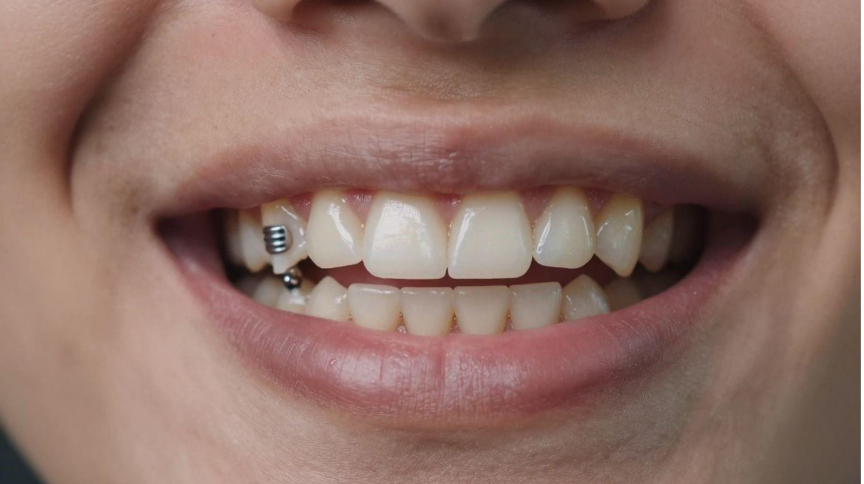
Many folks wonder if getting an MRI is still on the table after they've had dental implants put in. It's a pretty common question, and honestly, it makes sense. You've got these metal posts in your mouth, and MRIs use some pretty strong magnets. So, can you still get an MRI with dental implants? The good news is, for the most part, yes. But there are a few things to keep in mind to make sure everything goes smoothly and the scan works right.
Key Takeaways
- Most modern dental implants, especially those made of titanium or zirconia, are safe for MRI scans and do not interfere with the magnetic fields.
- While generally safe, older implants or those made with certain metal alloys might cause minor image distortions or, rarely, slight warming during an MRI.
- It's important to always inform your doctor and the MRI technician about your dental implants before the procedure.
- If your implants cause significant image distortion, alternative imaging methods like CT scans might be considered.
- Proper communication with your dental and medical providers is key to ensuring a safe and accurate MRI experience when you have dental implants.
Are Dental Implants Safe in an MRI Environment?
Many people wonder if it's safe to get an MRI when they have dental implants. It's a pretty common question, and the good news is that for most people, the answer is yes. Modern dental implants are generally safe for MRI scans. The materials typically used, like titanium and zirconia, don't react strongly to the powerful magnets used in MRI machines. This means you can usually go through the scan without any issues.
However, it's not quite as simple as just walking in. You need to know what happens if you have dental implants during MRI. While titanium and zirconia are considered safe, they can sometimes cause minor distortions in the MRI images. Think of it like a small shadow or blur right around the implant area. This is called an artifact. Radiologists are trained to recognize these artifacts and know how to adjust the scan or interpret the images to still get the information they need. It's especially noticeable if the MRI is focused on your head or jaw.
It's really important to tell your doctor and the MRI technologist about your dental implants before the scan. They'll want to know:
- What material your implants are made of.
- When they were placed.
- If you have any other metal restorations in your mouth, like posts inside a tooth.
This information helps them plan the scan properly. For instance, if you have older implants made with different metals, or if you have things like dentures or retainers that might contain metal, they need to know. Dentures and retainers usually need to be removed before an MRI because they can interfere with the scan. But crowns, bridges, and fillings made of ceramic or resin are typically fine.
While the risk is very low with modern implants, older or less common implant systems might contain materials that could potentially heat up slightly or cause more significant image distortion. Always communicate openly with your healthcare providers about your dental work.
If you're concerned about how your implants might affect your scan, especially if you have older implants, it's a good idea to talk to your dentist. They can confirm the material used for your implants. Knowing this beforehand can give you peace of mind and help your medical team prepare for your MRI scan.
Will Dental Implants Affect MRI Image Quality?
When you're scheduled for an MRI, it's natural to wonder if your dental implants will cause any problems, especially with the powerful magnets involved. The good news is that most modern dental implants are made from materials like titanium or zirconia, which are non-magnetic. This means they generally don't interfere with the MRI process. So, can you still get an MRI with dental implants? For the most part, yes.
However, it's not always a simple yes or no. Sometimes, even with non-magnetic materials, you might see minor distortions in the images. Think of it like a slight shadow or blur around the implant area. This is called an artifact, and it's usually only noticeable if the scan is focused on your head, jaw, or neck. Radiologists are well-trained to handle these artifacts. They can adjust the MRI machine's settings or change how you're positioned to minimize these distortions and still get clear diagnostic images. They know how to work around these changes, so you can still get an MRI with a dental implant.
What about older implants or different dental work? Well, that's where things can get a bit trickier. Some older implants, or other dental restorations like certain crowns or bridges, might contain metals that can react to the MRI's magnetic field. This could potentially cause more significant image distortion or, in very rare cases, slight warming. If you have implants placed many years ago, or if you're unsure about the materials used, it's always best to check with your dentist. They can confirm the implant's composition, which is really important information to share with your medical provider before the scan.
It's important to remember that radiologists perform MRIs on patients with dental restorations regularly. They have protocols in place to manage potential image artifacts, making it possible to get an MRI with permanent dental implants in most situations.
So, to recap:
- Modern titanium or zirconia implants rarely cause significant issues.
- Minor image distortions can occur, especially in head/neck scans, but are manageable.
- Older or unknown metal components might cause more noticeable effects.
- Always inform your medical team about all your dental work before the MRI.
By communicating openly with your healthcare providers, you help them ensure the MRI is both safe and effective, providing the clearest possible results. If distortions are a concern, your doctor might discuss alternative imaging methods, but this is uncommon. You can have an MRI with dental implants, and the team is prepared to handle it.
Ultimately, whether your dental implants can affect MRI results depends largely on their material. Providing your doctor with complete details about your dental work is the most crucial step in ensuring a successful scan.
What to Tell Your Medical Provider Before an MRI
Before you head in for your MRI, it's super important to let your doctor or the imaging center know about your dental implants. Think of it like giving them a heads-up about any metal in your body. They need to know what kind of implants you have, what they're made of, and where they're located. This information helps the radiology team figure out the best way to get clear images and makes sure everything is safe.
It's a good idea to have this info handy when you schedule your MRI, not just on the day of the scan. This way, they can prepare properly and avoid any last-minute surprises or delays. If you're not sure about the specifics of your implants, don't hesitate to ask your dentist. They can confirm the material and type, which is really helpful.
Here’s a quick rundown of what to share:
- Type of Implant: Are they for a single tooth, a bridge, or dentures?
- Material: Most modern dental implants are made of titanium, which is generally safe for MRIs. However, knowing the exact material is key.
- Location: Where in your mouth are the implants placed?
The radiology team is trained to handle situations with implants. They can adjust the MRI machine's settings or the patient's position to minimize any potential image distortion. Your safety and the accuracy of the scan are their top priorities.
Remember, being upfront about your dental work helps ensure a smooth and successful MRI experience. It's all about communication to get the best medical care possible.
Timing Considerations: MRI After Dental Implant Surgery
So, you've got a new dental implant and need an MRI. It's totally normal to wonder about the timing. Most of the time, you don't have to wait too long after getting your implant before you can safely have an MRI. The main thing is that the implant site has healed up nicely. This usually means waiting until any initial swelling or tenderness has gone down.
The key is communication. Before your MRI appointment, make sure to tell the imaging center about your dental implant. They'll want to know what it's made of and where it's located. This information helps them prepare and adjust the MRI settings if needed. Modern implants, often made of titanium or zirconia, are generally MRI-safe and don't cause much fuss. However, if you have an older implant or one made from different materials, the team might need to take extra steps.
Here's a quick rundown of what to keep in mind regarding timing:
- Immediate Post-Surgery: Right after surgery, it's best to wait. Your mouth needs time to heal, and you'll likely have some swelling or discomfort. Pushing for an MRI too soon might not be ideal.
- Healing Period: Generally, a few weeks to a couple of months is a good timeframe, depending on how your healing progresses. Your dentist or oral surgeon can give you the best advice on when it's appropriate.
- No Strict Rules for Modern Implants: For most people with standard titanium implants, there isn't a strict waiting period dictated by the implant itself. The focus is more on your overall recovery.
It's always better to err on the side of caution. Discussing the timing with both your dental provider and the MRI facility will help ensure a smooth and accurate imaging experience without any unnecessary worries.
Benefits of Dental Implants for Patients Who Need Medical Imaging
Having dental implants doesn't usually stop you from getting the medical imaging you need, like MRIs. Most modern implants are made from materials like titanium or zirconia. These are non-magnetic, meaning they generally don't cause problems with MRI machines. Radiologists are used to seeing implants and know how to get clear pictures even with them in place.
This means you can often proceed with necessary medical scans without needing to remove your implants.
It's still super important to tell your doctor and the imaging team about your implants before any scan. Knowing the material and type of implant helps them adjust the MRI settings if needed. This way, they can get the best possible images and make sure everything is safe.
Here are a few things to keep in mind:
- Clear Communication is Key: Always let your medical providers know you have dental implants. Mention the type and material if you know it.
- Modern Materials are Generally Safe: Titanium and zirconia implants are designed to be MRI-compatible.
- Potential for Minor Image Artifacts: Sometimes, there might be slight distortions in the images right around the implant, but these are usually manageable.
- Older or Different Materials: If you have older implants or aren't sure about the material, discuss it with your dentist and the imaging facility.
While the idea of strong magnets near metal might sound concerning, modern dental implants are typically made with patient safety and medical imaging in mind. The goal is always to get accurate diagnostic information without compromising your health.
So, if you need an MRI, having dental implants shouldn't be a roadblock. Just remember to share all the details with your healthcare team.
The Bottom Line on MRIs and Dental Implants
So, can you get an MRI with dental implants? For most people, the answer is a resounding yes. Modern dental implants are usually made from materials like titanium that don't cause problems with MRI machines. While there might be a little bit of fuzziness in the images right around the implant, the doctors and technicians know how to handle that. The most important thing is to let your doctor and the MRI team know you have implants before your appointment. They can then make sure everything goes smoothly and safely. If you're ever unsure about the material of your implant, a quick chat with your dentist can clear things up.
Frequently Asked Questions
Are dental implants generally safe for MRI scans?
Yes, most modern dental implants are safe for MRI scans. They are usually made from titanium or zirconia, which don't react to the strong magnets used in MRIs. While they might cause a slight blur in the images right around the implant, doctors can usually adjust the scan to get clear pictures.
Can dental implants cause problems during an MRI?
Usually, dental implants don't cause significant problems. The main issue can be a minor distortion or 'shadow' on the MRI image near the implant, especially if the scan is of your head or jaw. However, these distortions are typically manageable and don't prevent doctors from seeing what they need to see.
What should I tell my doctor before an MRI if I have dental implants?
It's very important to tell your doctor and the MRI technologist about your dental implants before the scan. You should mention the type of implant and, if possible, the material it's made from. This information helps them make sure the scan is safe and that the images are as clear as possible.
Are there any dental implants that are NOT safe for MRIs?
Some older dental implants or those made with certain metal alloys, like those containing iron or nickel, might not be safe for MRIs. These materials can potentially heat up or cause more significant image distortion. If you're unsure about the material of your implant, it's best to ask your dentist.
Do I need to remove my dental implants for an MRI?
No, you do not need to remove your dental implants for an MRI. Unlike removable dentures that might need to be taken out, the implants themselves are surgically placed and are meant to stay in. The focus is on informing the medical team about their presence.
Can I get a head MRI if I have dental implants?
Yes, you can get a head MRI with dental implants. While implants in the head or jaw area might cause some image distortion, MRI technicians are trained to handle this. By informing them beforehand, they can adjust the scan to get the best possible images of your head.
Blog Post Author

Contributed by DentalROI
DentalROI provides relevant dental content to help providers educate patients. The statements, services, and products referenced in this article have not been evaluated by the Food and Drug Administration, and they are not intended as a substitute for professional medical advice, diagnosis, or treatment. Always seek the advice of your dental provider with any questions or issues you may have. Specific recommendations may vary in different circumstances, so individual consultation is important.