

 CALL THE LOCATION NEAREST YOU
What Are The 3 Types Of Dental Implants
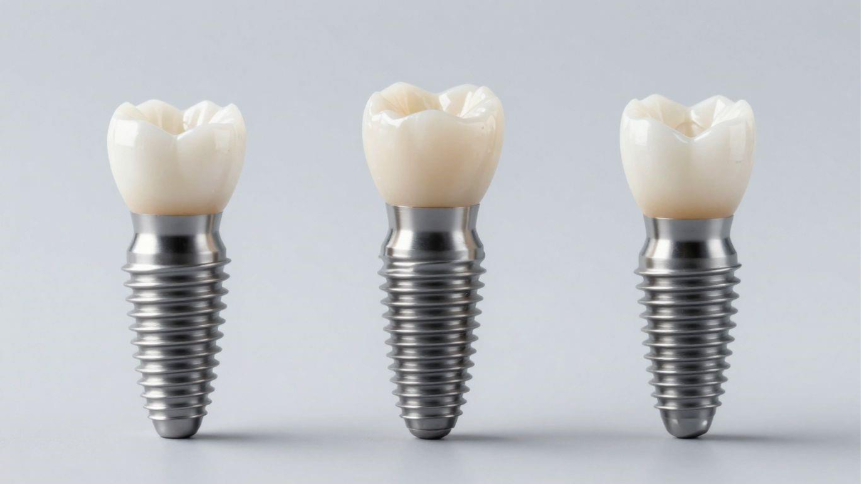
Missing teeth can really affect how you feel about your smile, and sometimes even how you eat or talk. Dental implants are a great way to fix that, giving you back strong, natural-looking teeth. But figuring out which kind to get can be a bit confusing. This post is here to break down the main 3 types of dental implants, so you can feel more confident about your choices for your oral health.
Key Takeaways
- There are generally three main types of dental implants: endosteal, subperiosteal, and zygomatic implants, each suited for different jawbone conditions.
- Endosteal implants are the most common, placed directly into the jawbone, and are suitable for patients with adequate bone density.
- Subperiosteal implants are an option for those with less jawbone, as they sit on top of the bone rather than within it.
- Zygomatic implants are a specialized solution for severe bone loss in the upper jaw, anchored in the cheekbone.
- Choosing the best dental implant type involves a thorough evaluation by a dentist to consider individual needs, bone health, and overall oral well-being.
Why There Are Different Types of Dental Implants
When you're looking into replacing missing teeth, you'll quickly find out there isn't just one way to do it with implants. It turns out, there are actually three main types of dental implants explained, and knowing the difference can really help you figure out what's best for your situation. It's not a one-size-fits-all deal because everyone's mouth is a little different, especially when it comes to the bone structure in your jaw.
Think about it like building a house. You wouldn't use the same foundation for every single house, right? Some need a deep, solid base, while others might be built on different ground. Dental implants are kind of the same. The type of implant that works best depends a lot on how much healthy bone you have and where the missing teeth are located.
Here's a quick rundown of the basic categories you'll hear about:
- Endosteal Implants: These are the most common. They're like little screws that go right into your jawbone. If you have a good amount of bone, this is often the go-to option because it's super stable.
- Subperiosteal Implants: These sit on top of the jawbone, just under the gums. They're usually for people who don't have enough bone height for the first type and don't want to go through bone grafting.
- Zygomatic Implants: These are a bit more specialized and are used when there's significant bone loss in the upper jaw. They anchor into the cheekbone instead of the jawbone itself.
Understanding these basic differences helps explain why your dentist will need to take a close look at your specific needs before recommending a plan. It's all about finding the right fit for a long-lasting solution.
The goal is always to provide a stable, functional, and natural-looking replacement for your missing teeth. The specific type of implant chosen is a key part of achieving that outcome.
Understanding Your Dental Implant Options
When it comes to replacing missing teeth, there are several different dental implant options for missing teeth available. The best choice for you really depends on your specific situation, like how much healthy jawbone you have and what your goals are for your smile. It’s not a one-size-fits-all kind of thing, and your dentist will help figure out what works best.
Generally, there are three main types of dental implants that dentists consider:
- Endosteal Implants: These are the most common. Think of them as small screws that are surgically placed directly into your jawbone. They act like artificial tooth roots. Over time, your jawbone fuses with the implant, making it really stable. This type is great for replacing one tooth, several teeth, or even a full set, as long as there's enough bone to support them. They're made from materials like titanium, which the body accepts well.
- Subperiosteal Implants: These are an option for people who don't have enough healthy jawbone height for endosteal implants. Instead of going into the bone, these implants have a metal framework that sits on top of the jawbone, just under the gum tissue. Posts attached to this framework stick out through the gums to hold the replacement teeth. They're less common but can be a good solution in specific cases.
- Zygomatic Implants: These are a more specialized type, used when there's significant bone loss in the upper jaw. Because there isn't enough bone there, these longer implants are anchored into the cheekbone, which is much stronger. It's a complex procedure, but it can be a lifesaver for people who might not otherwise be candidates for implants.
The success of any dental implant procedure relies heavily on careful planning and the skill of the dental professional. A thorough examination, including X-rays and possibly a CT scan, helps determine the exact condition of your jawbone and the best placement for the implant.
Your dentist will go over all these possibilities with you. They'll look at your mouth, discuss your health history, and explain the pros and cons of each option. It's all about finding the most stable and natural-looking solution for your unique needs. If you're curious about restoring your smile, discussing tooth surface repair might also be part of the conversation, depending on the condition of your remaining teeth.
How Dental Implant Type Affects Long-Term Results
The type of dental implant chosen can really make a difference in how well things work out over the years. It's not just about filling a gap; it's about creating a stable, long-lasting solution that feels natural and functions properly.
Think about it: different implants are designed for different situations. For instance, endosteal implants, the most common kind, are placed directly into the jawbone. They act like a natural tooth root, and over time, the bone fuses with them, making them super strong. This fusion is key to their longevity. If you have good bone density, this type often provides the most stable, long-term results.
Here’s a general idea of what to expect:
- Endosteal Implants: Often considered the gold standard for long-term success when bone density is adequate. They can last a lifetime with proper care.
- Subperiosteal Implants: May be a good option when bone height is an issue, but their long-term stability can sometimes be less predictable than endosteal implants.
- Zygomatic Implants: Used in severe bone loss cases, these are highly specialized and their long-term success relies heavily on the surgical skill and the patient's healing.
Choosing the Right Dental Implant: What Patients Should Know
Deciding on the best type of dental implant can feel a bit overwhelming, but it's really about finding what works specifically for you.
- Endosteal Implants: These are the most common.
- Subperiosteal Implants: Used when the jawbone isn't tall enough.
- Zygomatic Implants: A more specialized option for severe bone loss.
Life After Dental Implants: What Patients Can Expect
So, you've gone through the process of getting dental implants. That's a big step!
- Daily Care: Brushing twice a day and flossing daily are non-negotiable.
- Professional Cleanings: Regular visits to your dentist or hygienist are vital.
- Dietary Adjustments: Initially, you might stick to softer foods.
- Healing and Adaptation: It takes time for your mouth to fully adjust.
Wrapping Up Your Implant Journey
So, we've looked at the main kinds of dental implants out there – endosteal, subperiosteal, and zygomatic.
Frequently Asked Questions
What exactly are dental implants?
Dental implants are like artificial tooth roots, usually made of titanium, that are placed into the jawbone.
What are the three main types of dental implants?
The three main types are endosteal implants, subperiosteal implants, and zygomatic implants.
Who decides which type of implant is best?
A dentist is the best person to decide which implant type is right for someone.
Can dental implants help with bone loss?
Yes, dental implants are unique because they help prevent bone loss in the jaw.
How long do dental implants last?
Dental implants are designed to be a long-lasting solution.
Are dental implants a painful procedure?
While dental implant surgery involves a procedure, dentists use anesthesia to make it as comfortable as possible.
Blog Post Author

Contributed by DentalROI
DentalROI provides relevant dental content to help providers educate patients. The statements, services, and products referenced in this article have not been evaluated by the Food and Drug Administration, and they are not intended as a substitute for professional medical advice, diagnosis, or treatment. Always seek the advice of your dental provider with any questions or issues you may have. Specific recommendations may vary in different circumstances, so individual consultation is important.