

 CALL THE LOCATION NEAREST YOU
What Is the Recovery Time After Oral Surgery?
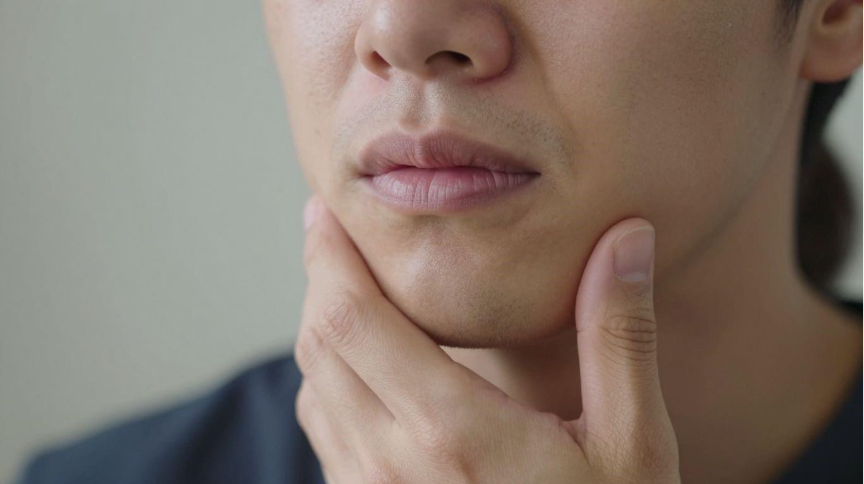
Undergoing oral surgery can bring up questions, especially about the recovery period. Many people wonder, 'What is the recovery time after oral surgery?' Knowing what to expect during healing helps ease concerns. Procedures like wisdom tooth removal or dental implants are important for your health and smile. This article breaks down the typical healing timeline and what influences it, so you can be prepared.
Key Takeaways
- The time it takes to heal from oral surgery varies greatly depending on the specific procedure performed, from simple extractions to more complex surgeries like bone grafting.
- Factors such as your overall health, age, and how well you follow post-operative instructions significantly impact how long it takes to heal after oral surgery.
- For wisdom tooth extractions, a typical recovery period is about one to two weeks, though full bone healing can take longer.
- Dental implant and bone grafting procedures often require longer healing times, with full bone integration potentially taking several months.
- Following your surgeon's aftercare instructions, including pain management, proper nutrition, and avoiding irritants like smoking, is vital for a smoother and faster recovery.
Understanding Recovery After Oral Surgery
Going through oral surgery can feel a bit daunting, and it's natural to wonder about the recovery period. Knowing what to expect helps a lot in preparing for the healing process. Oral surgery procedures, whether it's getting wisdom teeth out or having dental implants placed, are important steps for improving how your mouth works and looks. But how long does it really take to bounce back?
Several things can affect how quickly you heal. The type of surgery you have is a big one; something simple like a tooth extraction will have a different recovery than a more involved procedure like jaw surgery. Your general health matters too – if you're in good shape, you might heal faster. Age can play a role, as younger folks often recover more quickly than older individuals. Plus, any ongoing health issues you have, like diabetes, can influence your healing. And, of course, how well you follow your surgeon's aftercare instructions is key to a smooth recovery.
The healing process after oral surgery is a journey, not a race. It involves several stages, and paying attention to your body's signals is important throughout.
Here's a general idea of what influences your recovery:
- Type of Procedure: Simple extractions versus complex reconstructions.
- Your Overall Health: General fitness and absence of chronic conditions.
- Age: Younger patients typically heal faster.
- Following Aftercare: Adhering to your surgeon's instructions.
Managing your expectations about recovery is really helpful. Understanding the typical timeline can make the whole experience feel less stressful. Most of the significant discomfort and swelling usually calms down within the first week, but complete healing can take anywhere from a few weeks to a few months, depending on what was done.
It's also important to know when to reach out to your dental professional. If you notice signs of infection, have pain that doesn't get better with medication, or experience anything unusual, don't hesitate to contact them. Getting prompt help can prevent bigger problems and lead to a smoother recovery.
What Factors Influence Oral Surgery Recovery Time?
The question "What Is the Recovery Time After Oral Surgery?" often seems simple, but the answer depends on a bunch of different things. The recovery period after oral surgery is affected by a mix of personal health, the kind of procedure, and how closely post-op instructions are followed. Knowing what can influence healing helps set more realistic expectations.
Here's a breakdown of some of the main factors:
- Type of Procedure: Simple tooth extractions generally heal much faster than surgeries like bone grafts or corrective jaw surgery.
- Patient's Overall Health: People with stronger immune systems and those who don't smoke often recover quicker. Conditions like diabetes or immune disorders tend to slow things down.
- Age: Younger patients usually bounce back more quickly, while older adults may need more recovery time.
- Post-Operative Care: Following aftercare instructions like keeping the mouth clean, taking prescribed medicine, and avoiding hard foods makes a big difference.
- Medication and Pain Management: Proper pain control and, if prescribed, antibiotics, can prevent complications that lead to slower healing.
- Lifestyle Habits: Smoking and drinking alcohol can throw a wrench in the healing process, so they're best avoided during recovery.
Factor
Typical Impact on Recovery
Surgery Complexity
Higher = longer recovery
Patient Age
Older = longer recovery
Health Conditions
More severe = longer
Post-Op Care Compliance
More careful = faster
Smoking/Alcohol Use
Yes = slower
Some patients may wonder how long does an oral surgery consultation take. This usually lasts around 30-60 minutes, but recovery depends far more on the factors above than on consultation time. It might feel like a lot to consider, but a little awareness now goes a long way in making the healing process smoother and less stressful.
Typical Oral Surgery Recovery Timeline
So, you've had oral surgery, and now you're probably wondering, "how long does it take to heal from oral surgery?" It's a common question, and the truth is, there isn't a single answer because it really depends on what kind of procedure you had done. Think of it like this: fixing a leaky faucet is different from remodeling the whole kitchen, right? Oral surgery is similar.
For simpler procedures, like a basic tooth extraction, you might feel pretty good within a few days. However, more complex surgeries, such as wisdom tooth removal (especially impacted ones), can take a bit longer. Most patients find that the initial healing phase, where the most discomfort is felt, lasts about a week to two weeks. During this time, managing pain and swelling is key.
Here's a general idea of what to expect:
- First 24-48 Hours: This is the immediate aftermath. You'll likely experience some swelling and discomfort. Following your surgeon's instructions for care, like using ice packs and keeping your head elevated, is super important right now.
- First Week: This is often the period with the most noticeable discomfort. Pain medication will be your friend, and sticking to soft foods is a must. You'll want to take it easy and avoid any strenuous activities.
- Two Weeks: By this point, you should notice a significant improvement. While some tenderness or minor swelling might linger, many people feel ready to gradually return to more normal activities.
- Longer-Term Healing: For more involved procedures, like dental implants or bone grafting, the healing process extends much further. It can take several months for everything to fully integrate and heal. This is why patience is a virtue here.
It's important to remember that how long does oral surgery take to heal is also influenced by your own body's healing capabilities and how well you follow post-operative care. If you're wondering specifically about how long does oral surgery take for wisdom teeth, expect that initial recovery to be in that 1-2 week range, but full comfort might take a bit longer.
The timeline for recovery isn't set in stone. It's a guide, and your body's unique healing process plays a big role. Always communicate with your dental professional if you have concerns about how long it takes for oral surgery to heal.
So, how long does it take to heal after oral surgery? While a week or two covers the initial recovery for many common procedures, remember that complete healing, especially for complex cases, can stretch into months. Listen to your body and your surgeon's advice.
Tips to Support a Faster, Healthier Recovery
Taking care of yourself after oral surgery is a big deal, and honestly, it's not that complicated if you just follow a few key things. Your surgeon will give you specific instructions, and sticking to them is the most important part. Think of it like following a recipe – skip a step, and things might not turn out right.
Following your surgeon's aftercare plan is the number one way to help things heal smoothly. This usually involves a few common sense things that make a real difference.
Here’s a breakdown of what helps:
- Pain Management: It's normal to feel some discomfort. Your doctor will likely recommend pain medication. Don't wait for the pain to get bad before taking it; take it as prescribed to stay ahead of it. Over-the-counter options might be enough for minor aches, but for more involved procedures, you might get a prescription. Ice packs are also your friend for reducing swelling and numbing the area a bit.
- Rest and Activity: Your body needs energy to heal, so take it easy. Avoid any strenuous activities, heavy lifting, or even bending over too much for the first few days, or as long as your surgeon advises. Think of it as a forced vacation for your body to focus on getting better.
- Diet: For the first few days, stick to soft foods. Things like smoothies, yogurt, mashed potatoes, and soups are great. Avoid anything hard, crunchy, or spicy that could irritate the surgical site. And stay hydrated! Drinking plenty of water helps your body flush things out and keeps everything working properly.
- Oral Hygiene: Keeping the surgical area clean is super important to prevent infection. Your surgeon will tell you exactly how to clean it – it might involve gentle rinsing with a special solution. Don't brush or floss the surgical site directly at first; follow their specific guidance.
- Watch for Problems: Keep an eye out for anything unusual. Increased swelling or pain after the first few days, fever, or pus are signs you should call your doctor right away.
Taking care of yourself after oral surgery isn't just about following orders; it's about actively participating in your healing. Small, consistent efforts make a big difference in how quickly and comfortably you recover.
Remember, everyone heals a bit differently, but by being diligent with these tips, you're setting yourself up for the best possible outcome. Your surgeon is your best resource, so don't hesitate to reach out with any questions or concerns you might have during your recovery period.
When Patients Can Resume Normal Activities
Figuring out when you can get back to your usual routine after oral surgery is a common question. It really depends on what kind of procedure you had and how your body is healing.
For many people, the initial recovery period, where the most discomfort and swelling are present, lasts about a week. After that, things usually start to feel much better. Most patients can return to light to moderate activities within three to four days post-surgery. However, it's wise to ease back into things. Think of it like this: if your surgery was minor, you might feel up to a gentle walk sooner rather than later. But if it was a more involved procedure, like jaw surgery or extensive bone grafting, you'll likely need more time.
Here's a general idea of what to expect:
- First few days: Focus on rest and following your surgeon's instructions. Avoid anything strenuous.
- End of the first week: Many people feel significantly better and can resume light daily tasks.
- Two weeks: Most of the initial healing should be complete, and you might be able to return to more normal activities, though still with some caution.
- Several weeks to months: For procedures like dental implants, the bone needs time to heal and integrate, which can take months. You'll need to be careful not to put pressure on the implant site during this time.
It's important to listen to your body. If you're feeling up to it, a short walk might be fine, but jumping back into a high-intensity workout might not be the best idea just yet. High-intensity activities might need to wait longer, sometimes up to a couple of weeks or more, depending on the surgery. Always check with your oral surgeon about when it's safe for you to resume specific activities, especially anything that could put stress on the surgical site. They can give you the most accurate advice based on your individual surgical procedure.
Remember, healing isn't just about pain. It's also about allowing the tissues and bone to repair properly. Rushing back into things too soon could potentially cause complications or slow down the overall healing process. Patience is key to a successful recovery.
Your Path to Recovery
So, how long does it really take to bounce back after oral surgery? Well, as we've seen, it's not a one-size-fits-all answer. Things like the type of procedure, your general health, and how well you follow the aftercare instructions all play a part. Most people start feeling much better within the first week, but full healing can take anywhere from a few weeks to a few months, especially for more involved surgeries like dental implants or bone grafting. The key is to have realistic expectations, listen to your body, and always reach out to your dental team if you have any concerns. They're there to guide you through each step, making sure your recovery is as smooth and comfortable as possible.
Frequently Asked Questions
How long does it usually take to recover from oral surgery?
Recovery time after oral surgery can differ a lot depending on the type of procedure done. For simpler things like removing a wisdom tooth, people might feel pretty good in about a week or two. However, more complex surgeries, such as getting dental implants or bone grafts, can take several months to heal completely. The most uncomfortable part is usually over within the first week.
What are the main things that affect how long it takes to heal?
Several things can influence your healing time. The kind of surgery you had is a big one – a more complicated surgery means a longer recovery. Your overall health also plays a role; if you're generally healthy, you might heal faster. Things like age and if you have other health issues, like diabetes, can also make a difference. And, of course, following your dentist's instructions carefully is super important for a smooth recovery.
What should I do to help myself heal faster after oral surgery?
To help your body heal well, it’s best to follow your dentist's aftercare advice closely. This usually means eating soft foods for a while, getting plenty of rest, and keeping the surgical area clean. Using ice packs can help with swelling, and keeping your head elevated when resting can also be beneficial. Avoiding smoking and strenuous activities is also key.
When can I start eating normally again after oral surgery?
You'll likely need to stick to soft foods like soup, yogurt, and mashed potatoes for the first few days after surgery. As you start to feel better, you can slowly introduce slightly firmer foods. Your dentist will let you know when it’s safe to go back to your regular diet, but it might take a week or two, and sometimes longer for more involved procedures.
What are the signs that something might be wrong during recovery?
It's important to watch for signs that could mean trouble. If you have a sudden increase in pain after a few days, notice a bad smell or taste from the surgical site, develop a fever, or have bleeding that doesn't stop, you should contact your dentist right away. These could be signs of infection or a complication like dry socket.
How long until I can get back to my normal daily activities, like work or exercise?
Many people can return to light daily activities, like going back to work or school, within a day or two after simpler procedures. However, if your job involves heavy lifting or a lot of physical activity, you might need to take a few extra days off. It's usually recommended to wait at least a week before jumping back into intense exercise to allow your body to focus on healing.
Blog Post Author

Contributed by DentalROI
DentalROI provides relevant dental content to help providers educate patients. The statements, services, and products referenced in this article have not been evaluated by the Food and Drug Administration, and they are not intended as a substitute for professional medical advice, diagnosis, or treatment. Always seek the advice of your dental provider with any questions or issues you may have. Specific recommendations may vary in different circumstances, so individual consultation is important.