
 CALL THE LOCATION NEAREST YOU
What To Eat After Wisdom Teeth Removal
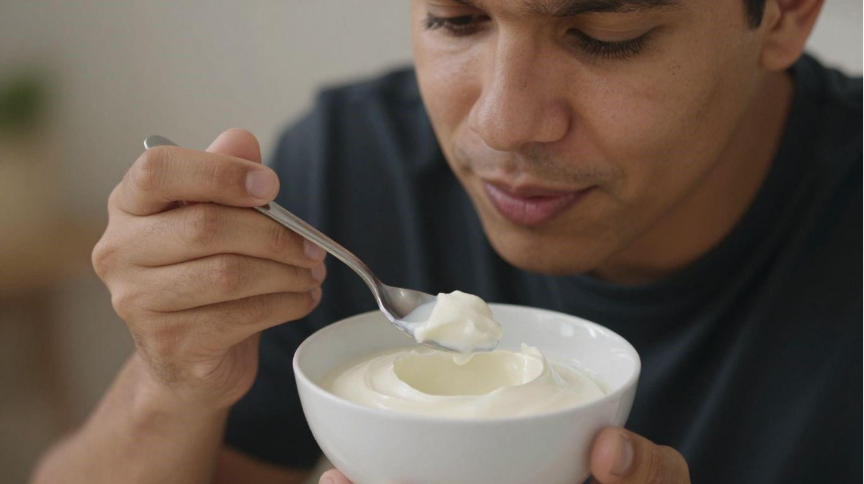
Getting your wisdom teeth out is a pretty big deal, and it comes with a bit of a recovery period. One of the main things people wonder about is what they can actually eat without making things worse. It's not as complicated as it might seem, and sticking to the right foods can really help things heal up faster and feel better. This guide will walk you through what to eat after wisdom teeth removal, covering everything from the first day to when you can start getting back to your normal meals.
Key Takeaways
- For the first 24 hours after wisdom teeth removal, stick to only liquids and very soft foods. Cold options can help with discomfort.
- Between day 2 and day 3, you can start adding more semi-soft foods that require minimal chewing, like scrambled eggs or oatmeal.
- By day 4 and day 5, continue with soft and semi-soft foods, gradually introducing things that are a bit more solid if you feel comfortable.
- Avoid any foods that are hard, crunchy, sticky, spicy, or require a lot of chewing throughout the healing process.
- Always follow your dentist's specific instructions, as recovery can vary based on the complexity of the surgery.
Why Your Diet Matters After Wisdom Teeth Removal
So, you've had your wisdom teeth out. Now what? Well, what you eat in the days and weeks following the procedure actually plays a pretty big role in how smoothly things go. Think of it like this: your mouth just went through surgery, and it needs the right fuel to heal up properly. Eating the wrong things can cause irritation, slow down healing, or even lead to complications. On the flip side, choosing the right foods can help reduce swelling and give your body the nutrients it needs to get back to normal.
Your diet is a key part of your recovery. It's not just about avoiding pain; it's about actively helping your body mend. For instance, getting enough protein can help rebuild tissues, while certain vitamins can aid in reducing inflammation. So, when you're wondering what to eat after wisdom teeth removal day 1, or what foods to eat after wisdom teeth removal in general, remember that you're making choices that directly impact your healing process. This is especially true for the first few days, like what to eat after wisdom teeth removal day 2, day 3, day 4, and day 5, when your mouth is most sensitive.
Here's a quick look at why it's so important:
- Promotes Healing: Nutrient-rich foods provide the building blocks your body needs to repair the surgical sites.
- Reduces Discomfort: Soft, non-irritating foods minimize pain and prevent further injury to the extraction areas.
- Prevents Complications: Avoiding certain foods helps prevent infection and ensures blood clots remain undisturbed, which is vital for healing.
- Maintains Hydration: Staying hydrated is important, but how you drink matters too – avoiding straws is a common recommendation.
The goal is to provide your body with what it needs to recover without causing additional stress or irritation to your surgical sites. This means focusing on soft, easy-to-eat, and nutritious options, especially in the initial stages of healing.
The First 24 Hours: Gentle Nutrition for Early Recovery
Right after your wisdom teeth are removed, your mouth will likely feel sore and swollen. You'll probably have gauze in place, and the thought of eating might not be very appealing. However, getting some nutrition is important to help your body start healing. For the first 24 hours, the main goal is to keep things really simple and gentle on your surgical sites.
Focus on liquids and very soft foods that require little to no chewing. This helps prevent irritation and protects the delicate healing areas. Think about things that slide down easily. It’s also a good idea to make sure anything you eat or drink isn't too hot; lukewarm is best.
Here are some good options to consider during this initial period:
- Broths and Soups: Clear broths (like chicken, vegetable, or beef) are great for hydration and nutrients. Just make sure they are lukewarm, not hot. Creamy soups that are well-blended and smooth are also good choices.
- Dairy and Dairy Alternatives: Plain yogurt, pudding, and Jell-O are easy to swallow and can be soothing. If you prefer, dairy-free options are available too.
- Pureed Fruits and Vegetables: Think applesauce or pureed pears. These are easy to eat and provide some vitamins.
It’s really important to avoid using a straw during these first 24 hours. The sucking motion can dislodge the blood clots that are forming, which are necessary for healing. If you're having a smoothie, it's best to eat it with a spoon.
During this early stage, your body needs energy to recover. Prioritizing soft, nutrient-rich foods will support your healing process without causing unnecessary discomfort.
Best Soft Foods to Eat During the Initial Healing Phase
After your wisdom teeth are removed, your mouth is going to be pretty sensitive. The main goal for the first few days is to eat things that are easy to swallow and won't irritate the surgical sites. Think smooth, cool, and comforting.
The key is to stick to foods that require little to no chewing. This helps protect the healing areas and prevents any accidental bumps or scrapes.
Here are some good options to get you started:
- Smoothies and Shakes: These are great for getting nutrients in without any chewing. Just make sure they aren't too cold and definitely don't use a straw – the suction can mess with the healing clots. Blend up fruits like bananas or berries with yogurt or milk.
- Soups and Broths: Warm (not hot!) broths and well-blended soups are fantastic. Think creamy tomato, butternut squash, or chicken noodle where the noodles are super soft. Avoid chunky soups for now.
- Dairy and Dairy Alternatives: Yogurt, pudding, and ice cream (if you can tolerate the cold) are easy to get down. Dairy-free options are available too if that's your preference.
- Mashed Foods: Mashed potatoes, sweet potatoes, or even mashed avocado are filling and easy to eat. You can add a little bit of gravy or cheese if you like, but keep it simple.
- Applesauce and Pureed Fruits: These are naturally soft and easy to swallow. Other pureed fruits work well too.
- Scrambled Eggs: They're soft, packed with protein, and easy to eat.
Remember, the temperature of your food matters. Anything too hot can irritate your surgical sites. It's best to let things cool down to a comfortable, warm temperature before eating.
As the days go by and you start feeling a bit better, you can slowly introduce slightly more textured foods, but always listen to your body and your surgeon's advice.
Foods and Drinks to Avoid While Healing
After wisdom teeth removal, your mouth needs time to heal, and certain foods can really get in the way of that. It's not just about avoiding pain; it's about protecting the surgical sites and letting everything mend properly. Think of it like giving your mouth a gentle spa treatment – no harsh chemicals or rough scrubbing allowed!
The main goal is to steer clear of anything that could irritate the extraction sites, dislodge blood clots, or introduce bacteria. This means being mindful of textures, temperatures, and even acidity.
Here’s a breakdown of what to keep off your plate (and out of your cup) for a while:
- Crunchy and Hard Foods: These are a definite no-go. We're talking about things like chips, popcorn, nuts, seeds, hard candies, and even crusty bread. They can easily damage the delicate healing tissues or get stuck in the extraction sockets.
- Spicy Foods: Anything with a kick, like hot sauce, chili peppers, or curries, can irritate the surgical areas and cause discomfort. It's best to stick to bland flavors while you're recovering.
- Acidic Foods and Drinks: Citrus fruits (oranges, lemons), tomatoes, and even some sodas can sting and irritate the healing gums. It's better to wait until your mouth feels more comfortable before reintroducing these.
- Foods That Require Vigorous Chewing: Tough meats, chewy candies like taffy or caramels, and even some types of pasta can put too much strain on your jaw and surgical sites.
- Very Hot Foods and Drinks: While you might crave a hot cup of soup or coffee, extremely hot temperatures can disrupt the healing process and potentially dislodge the crucial blood clot that forms over the extraction site. Stick to lukewarm or cool temperatures.
- Alcohol: It's generally recommended to avoid alcohol for at least the first 24-48 hours, and often longer. Alcohol can interfere with healing and interact with pain medications.
- Using Straws: This might seem odd, but sucking through a straw creates a vacuum in your mouth that can dislodge the blood clot, leading to a painful condition called dry socket. So, no straws for drinks!
Avoiding these items isn't about deprivation; it's about making smart choices to ensure a smoother, faster recovery. Your mouth will thank you for it later.
Remember, the goal is to protect the healing areas. If a food seems like it might be too hard, crunchy, or irritating, it's probably best to avoid it until your dentist or oral surgeon gives you the all-clear.
Common Eating Challenges After Wisdom Teeth Removal
Eating after your wisdom teeth have been removed can present a few hurdles. It's not just about what you can eat, but also about how you eat and what to watch out for.
One of the main issues people face is simply managing the discomfort. Your mouth will likely be sore, and swelling can make chewing feel like a chore. This is why sticking to soft foods is so important initially. Trying to bite into something firm or chewy can cause pain and might even disrupt the healing sites.
Another challenge is avoiding foods that could cause problems. Sticky candies, for example, might get lodged in the extraction sites or sutures, which is the last thing you want. Similarly, small, hard bits like popcorn kernels or nuts can easily get stuck and are difficult to remove, potentially leading to irritation or infection.
Beverages can also be tricky. While staying hydrated is key, you need to be careful. Using straws is a big no-no because the sucking motion can dislodge the blood clot that's forming, leading to a painful condition called dry socket. Also, carbonated drinks and alcohol should be avoided. The fizz can irritate the surgical area, and alcohol can interfere with healing and medications.
Here are some common eating challenges:
- Pain and Swelling: Makes chewing difficult and uncomfortable.
- Risk of Dislodging Clots: Certain foods and actions (like using straws) can harm the healing process.
- Food Getting Stuck: Small, hard particles can lodge in the surgical sites.
- Irritation: Spicy, acidic, or very hot foods can sting sensitive tissues.
It's important to remember that your mouth is healing, and being gentle with it is the top priority. Rushing back to your normal eating habits too soon can set back your recovery.
Transitioning back to solid foods needs to be done gradually. Listen to your body. If something feels uncomfortable or difficult to chew, it's best to go back to softer options. Your surgeon will give you specific guidance, but generally, you'll slowly reintroduce more textured foods as your mouth feels better, usually over the course of a week or two.
Wrapping Up Your Recovery Diet
So, getting your wisdom teeth out is a big deal, and figuring out what to eat afterwards can feel like a puzzle. The main thing to remember is to take it easy on your mouth. Stick to soft, easy-to-manage foods for a while, and gradually bring in other things as you feel up to it. Listening to your body is super important here. If something hurts, back off. And don't forget to follow your dentist's specific advice – they know your situation best. With the right foods and a little patience, you'll be back to enjoying your favorite meals in no time. Contact Oral Surgeons PC today to learn more about wisdom tooth aftercare and ensure a smooth, comfortable recovery
Frequently Asked Questions
Why is it important to eat soft foods after wisdom teeth removal?
Eating soft foods is super important after getting your wisdom teeth out because your mouth will be sore and might have stitches. Soft foods are easy to swallow and don't require much chewing, which helps protect the healing areas and prevents pain or problems.
What kind of foods can someone eat in the first 24 hours?
For the first day, it's best to stick to liquids and very soft foods. Think things like cool or lukewarm broth, yogurt, applesauce, pudding, or smoothies. It's important to avoid anything too hot, acidic, or anything that needs chewing.
When can I start eating more solid foods?
After a couple of days, if you're feeling up to it and not in too much pain, you can slowly start adding in semi-soft foods. Things like scrambled eggs, oatmeal, or mashed bananas are good choices. You should still avoid anything crunchy or hard.
Are there any drinks I should avoid?
Yes, definitely avoid using straws because the sucking motion can mess with the healing spots. Also, stay away from alcoholic drinks, caffeine, and fizzy sodas, as they can slow down healing or cause irritation.
How long do I need to eat soft foods?
Most people can go back to eating more normal foods within about a week to 10 days. However, this really depends on how quickly you heal and what your dentist or oral surgeon says. It's always best to listen to your body and follow their specific advice.
What are some common challenges people face when eating after surgery?
People sometimes find it hard to get enough nutrients because they're not eating much, or they might accidentally eat something they shouldn't and cause pain. Also, it can be tricky to keep the surgical areas clean while still eating soft foods.
Blog Post Author

Contributed by DentalROI
DentalROI provides relevant dental content to help providers educate patients. The statements, services, and products referenced in this article have not been evaluated by the Food and Drug Administration, and they are not intended as a substitute for professional medical advice, diagnosis, or treatment. Always seek the advice of your dental provider with any questions or issues you may have. Specific recommendations may vary in different circumstances, so individual consultation is important.