

 CALL THE LOCATION NEAREST YOU
What Are Screwless Dental Implants
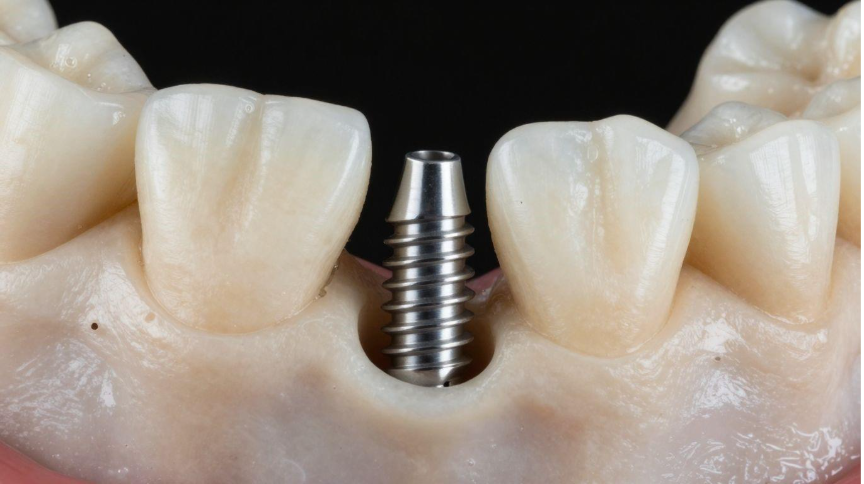
Missing teeth can be a real bother, affecting how you eat, speak, and even how you feel about your smile. For a long time, dental implants have been a go-to solution, but they usually involve screws. Now, there's a different way: screwless dental implants. If you've heard about them and are wondering, "what are screwless dental implants and how do they work?", you're in the right place. We'll break down this modern approach to tooth replacement.
Key Takeaways
- Screwless dental implants, also called cement-retained implants, attach a crown using dental cement or a friction-fit connection instead of a screw.
- The procedure involves placing a post in the jawbone, attaching an abutment, and then cementing or fitting the crown, creating a natural look without visible screw holes.
- Benefits include better aesthetics, especially for front teeth, a smoother feel, and potentially fewer complications related to screws.
- While traditional implants are easily removed for maintenance, screwless options, particularly cement-retained ones, can be more challenging to take out.
- The choice between screwless and traditional implants depends on individual needs, with dentists considering factors like location in the mouth and desired appearance.
What Are Screwless Dental Implants?
When you hear about dental implants, most people picture a small screw going into the jawbone to hold a new tooth in place. That's how traditional implants usually work. But there's another option gaining attention: screwless dental implants. So, what exactly are screwless implants?
Essentially, these are dental implants designed to replace missing teeth without using a visible screw to attach the final crown. Instead of a screw, the crown is either cemented onto the implant abutment or secured with a precise friction-fit connection, sometimes called a locking taper. This means there's no screw access hole left on the chewing surface of the tooth.
Think of it like this:
- Traditional Implants: A screw goes through the crown and into the implant, holding everything together. There's a small hole where the screw was inserted.
- Screwless Implants: The crown is bonded with dental cement or fits snugly onto the abutment, creating a smooth, solid surface without any screw hole.
This method is often chosen for its aesthetic advantages, especially for front teeth where a screw hole might be noticeable. It's a way to achieve a very natural look and feel. While the implant post itself is still placed into the jawbone, much like traditional implants, the way the visible part of the tooth (the crown) is attached is what makes screwless dental implants different. They are designed to be a stable, long-term solution for missing teeth, functioning much like your natural ones. Many patients wonder, are screwless dental implants safe? Yes, they are considered a safe and effective option for tooth replacement when placed by a qualified dental professional, offering a different approach to restoring your smile. If you're exploring options for tooth replacement, understanding what are screwless mini dental implants can help you discuss the best path forward with your dentist. Screwless dental implants offer a unique approach to tooth replacement.
How Screwless Dental Implants Work
So, how do screwless dental implants actually work? It's a bit different from the traditional method you might have heard about. Instead of using a screw to hold the replacement tooth (the crown) in place, these implants use either a special dental cement or a precise friction-fit connection. This means there's no screw hole visible on the crown itself.
The process generally starts like other dental implants. A titanium post is placed into your jawbone, acting as the new root for your tooth. After a healing period, an abutment, which is like a connector, is attached to this post. This is where the screwless approach takes a turn. For screwless dental implants, the crown is then either bonded onto the abutment with dental cement or secured with a tight, friction-fit mechanism. This creates a smooth, natural-looking surface.
Here's a quick rundown of the screwless dental implants procedure step by step:
- Implant Placement: A titanium post is surgically placed into the jawbone, just like with traditional implants.
- Abutment Attachment: Once healing is complete, a connector piece is attached to the implant post.
- Crown Fixation: The replacement tooth (crown) is then attached to the abutment using either dental cement or a friction-fit system, eliminating the need for a screw.
This method is what makes dental implants without screws a unique option for many people. It's all about creating a stable, natural-looking tooth replacement without the visible hardware. The goal is a secure fit that feels and looks like your own teeth, providing a comfortable and aesthetically pleasing result. This approach can be particularly beneficial for front teeth where appearance is very important. You can learn more about different implant types to see what might be best for your situation.
Key Differences Between Screwless and Traditional Dental Implants
When you're looking at replacing missing teeth, both screwless and traditional dental implants are options, but they work a bit differently. Think of it like choosing between two types of fasteners for a piece of furniture – both hold things together, but one might look cleaner or be easier to work with in certain situations.
Here's a quick rundown of how they stack up:
- Attachment Method: Traditional implants use a screw. Screwless implants use dental cement or a friction-fit connection.
- Appearance: Traditional implants might have a visible screw access hole. Screwless implants generally offer a cleaner, more natural look without this hole.
- Maintenance: While both require good hygiene, screwless implants can be simpler to keep clean because there are fewer nooks for debris.
- Potential Complications: Traditional implants carry a small risk of screw loosening or fracture. Screwless implants, especially friction-fit types, can reduce these specific risks, though cement-retained ones need careful cement removal to avoid issues.
Patient-Focused Benefits of Screwless Dental Implants
- Enhanced Aesthetics: A more natural-looking smile without visible screw holes.
- Improved Comfort: Smoother surfaces can lead to a more comfortable fit and feel.
- Reduced Complication Risk: The design can minimize issues like microleakage and bacterial buildup.
- Simplified Hygiene: Fewer places for food particles to get trapped makes cleaning easier.
Healing and Recovery Considerations
- Gentle rinsing with a prescribed solution.
- Avoiding strenuous activity.
- Eating soft foods to prevent putting too much pressure on the implant site.
- Taking any prescribed pain medication as directed.
Wrapping Up: Is a Screwless Implant Right for You?
So, screwless dental implants are definitely an interesting option when you're looking to replace missing teeth. They offer a really natural look, especially for those front teeth, and can feel quite comfortable. Plus, not having a screw hole means less chance for things to get stuck in there. But, like anything, they have their own set of things to think about, like how they're removed if something needs fixing. The best way to figure out if this method, or the traditional screw-in kind, is the right fit for your smile is to chat with your dentist. They can look at your specific situation and help you make the best choice for your health and your smile. Contact Oral Surgeons PC today to learn whether screwless dental implants are the right solution for restoring your smile.
Frequently Asked Questions
What exactly are screwless dental implants?
Screwless dental implants are a way to replace missing teeth without using a visible screw to hold the fake tooth (crown) in place. Instead, the crown is attached using dental glue or a special tight-fitting connection. This makes them look more natural, especially in the front of the mouth where smiles are most visible.
How do these screwless implants stay in the mouth?
These implants stay secure in a couple of ways. One common method uses strong dental cement to glue the crown onto a part called an abutment, which is connected to the implant post. Another way is a 'locking taper' or friction-fit design, where the crown fits very snugly onto the implant, relying on a tight seal to stay put.
Are screwless dental implants as strong as traditional ones?
Yes, screwless dental implants are designed to be very strong and stable. They fuse with the jawbone just like traditional implants. The way the crown is attached, whether by cement or a tight fit, creates a solid connection that allows for normal chewing and speaking.
What are the main benefits of choosing screwless implants?
The biggest advantage is how natural they look because there's no screw hole showing. This is great for front teeth. They can also be more comfortable and might reduce the chances of certain problems like screw loosening. Some patients find the procedure feels less invasive.
Can screwless implants be removed if needed?
Removing screwless implants can be more challenging than traditional ones, especially if they are attached with cement. While traditional implants can often be unscrewed, cement-retained ones might require a dentist to carefully cut or break them to remove them. Locking taper designs can sometimes be easier to take apart.
Are screwless dental implants suitable for everyone?
While screwless implants offer many benefits, they might not be the best fit for every single person. A dentist will look at your jawbone strength, how your teeth bite together, and what you want your smile to look like. They will help you decide if a screwless or a traditional implant is the right choice for your specific needs.
Blog Post Author

Contributed by DentalROI
DentalROI provides relevant dental content to help providers educate patients. The statements, services, and products referenced in this article have not been evaluated by the Food and Drug Administration, and they are not intended as a substitute for professional medical advice, diagnosis, or treatment. Always seek the advice of your dental provider with any questions or issues you may have. Specific recommendations may vary in different circumstances, so individual consultation is important.