

 CALL THE LOCATION NEAREST YOU
Does Wisdom Teeth Removal Hurt
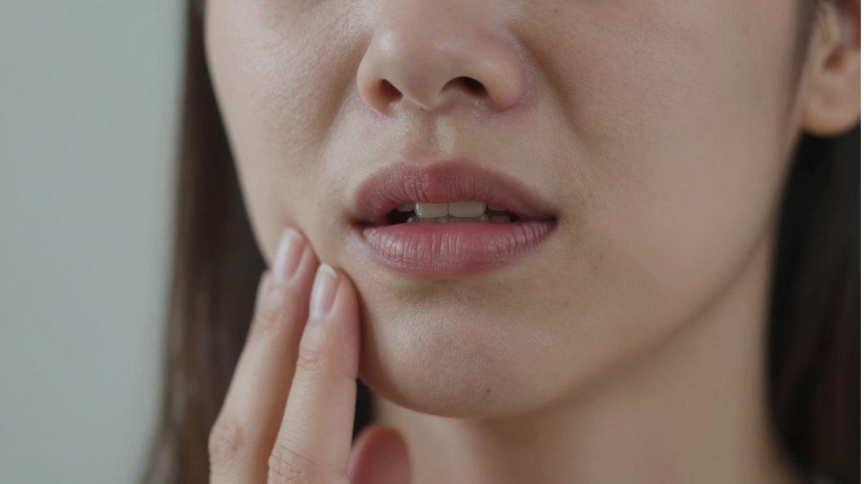
Wisdom teeth, those final molars to arrive, often show up in late teens or early twenties. For many, they cause more trouble than they're worth, leading to recommendations for removal. A big question on many minds is about the pain involved. Does wisdom teeth removal hurt? Let's break down what people can expect before, during, and after this common dental procedure.
Key Takeaways
- During the procedure itself, patients typically feel no pain due to anesthesia, though some pressure might be noticeable.
- Pain is most commonly experienced after the anesthesia wears off, with discomfort usually peaking in the first few days.
- Factors like impaction, proximity to nerves, and the amount of tissue or bone removal can influence how much a person hurts.
- Pain management after surgery often involves prescribed or over-the-counter medications, cold compresses, and following post-operative care instructions.
- While discomfort is normal, severe or worsening pain, especially after a few days, could indicate a complication like dry socket and should be checked by a dentist.
Addressing a Common Concern About Wisdom Teeth Removal
It's completely normal to wonder, "Does getting wisdom teeth removed hurt?" This is probably the most common question people have when they're told they need their wisdom teeth out. Many folks worry about the pain, and that's understandable. After all, it involves surgery in your mouth.
The good news is that modern dental practices have made wisdom tooth extraction much more comfortable than it used to be. The procedure itself is typically done with anesthesia, meaning you won't feel any pain while the teeth are being removed. Some people might feel a bit of pressure, but actual pain during the surgery is very unlikely. For those who are particularly anxious, sedation options are also available to help you relax.
So, if the procedure itself is managed with anesthesia, where does the concern about pain come from? It's mostly about what happens after the anesthesia wears off. The recovery period is when you might experience discomfort. The intensity and duration of this discomfort can vary quite a bit from person to person.
Several things can influence how much you feel any pain after the surgery:
- How impacted the teeth were: If your wisdom teeth were impacted (meaning they didn't have enough room to come in properly), the extraction can be more involved.
- The complexity of the extraction: Some extractions are simpler than others.
- Individual pain tolerance: Everyone's body reacts to pain differently.
Understanding these factors can help set realistic expectations for your recovery. While some soreness is to be expected, there are effective ways to manage it, which we'll discuss further.
Does the Procedure Itself Hurt?
It's completely normal to wonder if the actual wisdom teeth removal procedure will hurt. Most people worry about feeling pain while the teeth are being taken out. The good news is that you shouldn't feel any pain during the surgery itself. This is because dentists and oral surgeons use anesthesia to make sure you are comfortable.
Depending on your situation and preference, you might receive local anesthesia, sedation anesthesia, or general anesthesia.
Here's a quick look at what happens during the surgery:
- The area is numbed with local anesthetic.
- If sedation or general anesthesia is used, you'll be asleep or deeply relaxed.
- The surgeon may need to make a small cut in the gum.
- Sometimes, a bit of bone needs to be removed.
- The tooth is removed and the gums are stitched closed.
What to Expect After Wisdom Teeth Removal
After your wisdom teeth are removed, it's normal to experience some discomfort.
- Initial Bleeding
- Swelling and Bruising
- Pain Management
- Eating and Drinking
- Oral Hygiene
Most people find that the worst of the pain is over within a few days.
How Pain Is Managed After Surgery
Dealing with pain after wisdom teeth removal is a big part of recovery.
- Medication
- Cold Compresses
- Rest and Elevation
- Dietary Adjustments
Gentle rinsing with salt water can help promote healing.
Factors That Influence Pain Levels
It's not just about the surgery itself; a few things can really change how much discomfort you feel.
- How the teeth were positioned
- The condition of the teeth and surrounding bone
- The amount of bone removed
- Your individual healing ability
- Your pain tolerance
- Anxiety levels
Wrapping Up: What to Expect with Wisdom Teeth Removal
So, does wisdom teeth removal hurt? While some discomfort afterward is normal, most people recover well by following aftercare instructions. Contact Oral Surgeons PC today to learn what to expect during wisdom teeth removal and explore comfortable treatment options.
Frequently Asked Questions
Why do people need to get their wisdom teeth removed?
Wisdom teeth can cause crowding, impaction, or decay.
Does the wisdom tooth removal procedure hurt?
No, anesthesia prevents pain during the procedure.
What kind of pain can someone expect after wisdom teeth removal?
A dull ache, swelling, and soreness are common.
How is pain managed after wisdom teeth are removed?
With medication, ice packs, and proper aftercare.
How long does the pain from wisdom teeth removal usually last?
The worst pain usually lasts 2–3 days.
What can make wisdom teeth removal more painful?
Impaction, nerve proximity, and poor aftercare.
Blog Post Author

Contributed by DentalROI
DentalROI provides relevant dental content to help providers educate patients. The statements, services, and products referenced in this article have not been evaluated by the Food and Drug Administration, and they are not intended as a substitute for professional medical advice, diagnosis, or treatment. Always seek the advice of your dental provider with any questions or issues you may have. Specific recommendations may vary in different circumstances, so individual consultation is important.