

 CALL THE LOCATION NEAREST YOU
Why Is My Jaw Clicking and Popping When I Chew
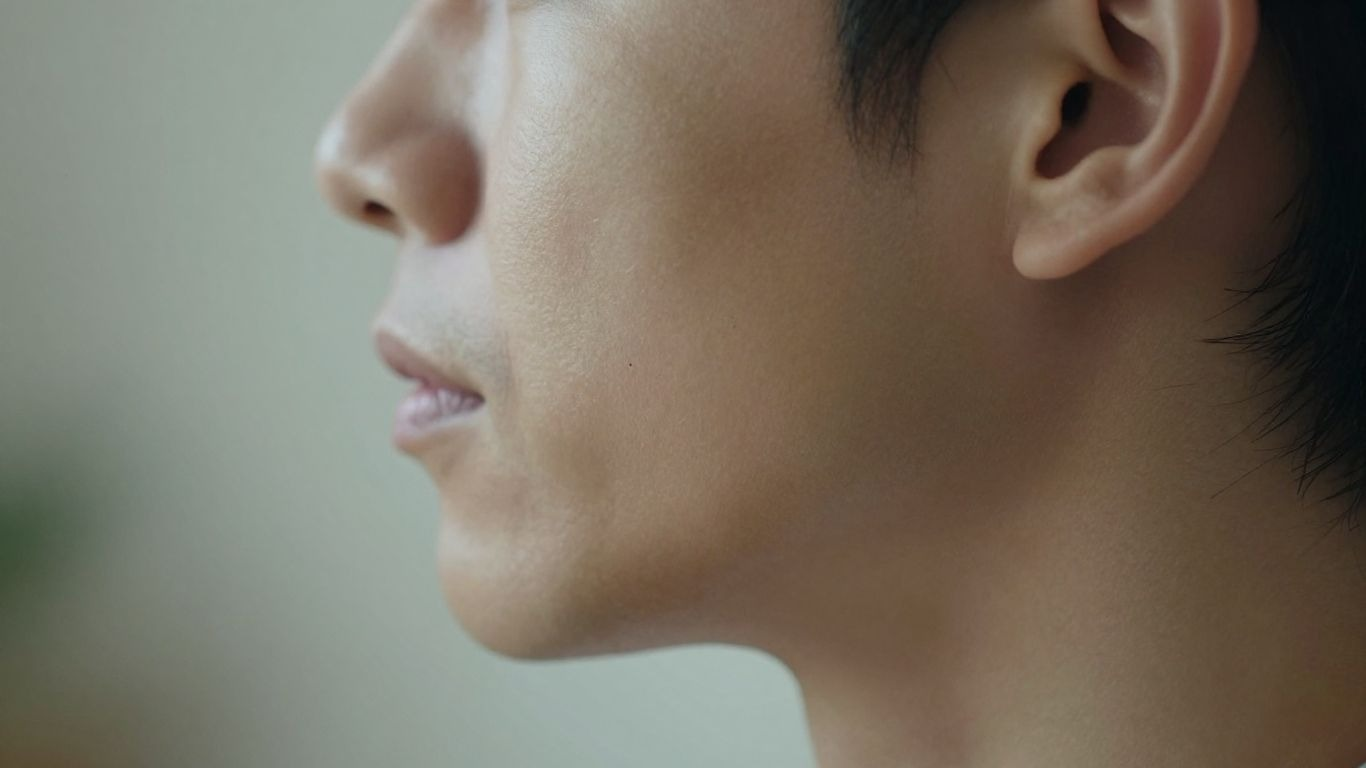
So, you're chewing your food, maybe just enjoying a nice sandwich, and then it happens – a distinct click or pop from your jaw. It can be a little startling, right? You might be wondering, "Why is my jaw clicking and popping when I chew?" Well, you're definitely not alone in experiencing this. Lots of people deal with jaw noise when chewing, and it's a sign that something's up with your temporomandibular joint, or TMJ for short. This joint is what connects your jawbone to your skull, and it's pretty busy, letting you talk, chew, and even yawn.
What does jaw noise when chewing actually mean?
Basically, that popping or clicking sound is your TMJ telling you it's not moving as smoothly as it should. Think of it like a hinge on a door that's a bit rusty or has something stuck in it. When you move your jaw, parts of the joint aren't gliding perfectly, and that's what creates the noise. It can range from a faint click to a more noticeable pop, and sometimes it might even feel a bit tender.
Here's a quick rundown of what might be going on:
- Cartilage Issues: Inside your TMJ, there's a disc of cartilage that acts like a cushion. If this disc slips out of place, your jawbone has to move over it, causing that clicking sound.
- Wear and Tear: Over time, the cartilage can break down, kind of like how the tread on tires wears out. This can lead to bone rubbing against bone, which might sound more like a grating or crackling.
- Muscle Tension: Stress, anxiety, or just habitually clenching your jaw can tighten the muscles around your TMJ. This tension can make the joint feel stiff and lead to noises when you move it.
- Misalignment: Sometimes, your bite might not be perfectly even, meaning your upper and lower teeth don't meet just right. This can put extra stress on your TMJ and cause it to make noise.
It's important to pay attention to these sounds. While an occasional, painless pop might not be a big deal, persistent clicking, especially if it comes with pain or difficulty chewing, is your body's way of signaling that it's time to investigate further.
So, while jaw noise when chewing might just be a quirky sound for some, it's often a clue that your TMJ needs a little attention. Understanding what it means is the first step to figuring out what to do about it.
Common Causes of Jaw Clicking When Chewing
So, you're chewing your favorite snack, and suddenly, click! Or maybe it's a persistent pop every time you take a bite. It's easy to wonder what's going on in there. These noises are usually linked to your temporomandibular joint, or TMJ for short. Think of it as the hinge connecting your jawbone to your skull. When this joint isn't quite happy, you might hear these sounds.
Popping Jaw Joint Causes and Early Warning Signs
Several things can make your jaw joint decide to make some noise. It's not always a big deal, but sometimes, it's your body's way of saying, 'Hey, something's up!'
- Cartilage Displacement: Inside your TMJ, there's a little piece of cartilage that usually stays put. But sometimes, it can slip out of place. When this happens, your jawbone has to move over this displaced cartilage, and that's what causes the clicking or popping sound. It's like a tiny bump in the road for your jaw.
- Arthritis: Just like other joints in your body, the TMJ can develop arthritis. Over time, the cartilage can wear down. When that happens, the bones might start to rub against each other, leading to crackling sounds and discomfort.
- Muscle Tension and Clenching: Ever feel stressed and find yourself clenching your jaw without even realizing it? This tension can put a lot of strain on your TMJ. It's a common culprit, especially if you grind your teeth (a condition called bruxism), which often happens during sleep.
- Jaw Injuries: A direct hit to the jaw or even a fall can disrupt how the TMJ works, leading to popping and pain.
- Misalignment: Sometimes, your upper and lower teeth don't line up perfectly when you bite down. This uneven bite can cause the jaw joint to move in an unusual way, resulting in those tell-tale sounds.
The most common reason for jaw clicking when chewing is often related to issues within the temporomandibular joint itself, frequently stemming from displaced cartilage or muscle strain.
Here are some early signs that your jaw might be trying to tell you something:
- Pain or tenderness around your jaw, ear, or face.
- Difficulty opening or closing your mouth fully, or a feeling of your jaw getting stuck.
- Headaches or earaches that seem to come out of nowhere.
- A grating or grinding sensation in the joint, not just a simple pop.
It's important to pay attention to these sounds and any accompanying feelings. While an occasional pop might be nothing, persistent clicking, especially when paired with pain or difficulty moving your jaw, is a signal that it's time to look into what's causing it.
TMJ clicking and popping reasons you shouldn't ignore
So, your jaw is making noises. Clicking, popping, maybe even a little grinding. It’s easy to brush it off, especially if it’s not hurting. But sometimes, these sounds are your body’s way of saying, “Hey, something’s not quite right here!” Ignoring them could lead to bigger issues down the road. Let's talk about the TMJ clicking and popping reasons you really shouldn't ignore.
Your temporomandibular joint, or TMJ, is pretty amazing. It’s what lets you open wide for a big bite of a sandwich or talk for hours. But when things go off track in this joint, you get those noises. It’s not just random; it often points to a problem with how the joint’s parts are moving, or not moving, correctly.
Popping Jaw Joint Causes and Treatment Options
What’s actually going on in there? Well, a few things can cause that click or pop:
- Displaced Disc: Inside your TMJ, there’s a little cushion, like a shock absorber, called a disc. If this disc slips out of place, your jawbone has to slide over it, and that’s what creates the popping sound. It’s like a bump in the road for your jaw.
- Arthritis: Just like other joints, the TMJ can develop arthritis. When the cartilage wears down, the bones can start to rub against each other. This can cause a crackling sound and, often, pain.
- Teeth Grinding (Bruxism): You might be doing this without even realizing it, especially at night. Grinding or clenching your teeth puts a ton of pressure on your jaw, straining the TMJ and leading to inflammation and discomfort.
- Bite Problems: If your upper and lower teeth don’t line up perfectly when you bite down (malocclusion), your jaw has to work harder and in awkward ways. This can lead to popping over time.
- Jaw Injuries: A direct hit to the jaw or even a whiplash injury can knock the joint out of alignment or damage the surrounding tissues, leading to noise and pain.
When these noises come with pain, difficulty opening your mouth wide, or headaches, it’s a clear signal that you need to pay attention. These aren't just quirks; they're symptoms of a potential TMJ disorder that can get worse if left untreated.
If your jaw clicking is becoming a regular thing, especially if it’s accompanied by any of these:
- Pain in your jaw, face, or neck
- Trouble chewing or a feeling that your bite is off
- Locking of the jaw, making it hard to open or close
- Headaches or earaches
Then it’s time to get it checked out. Dentists and doctors have ways to figure out what’s going on. Sometimes, it’s as simple as a custom mouthguard to help your jaw rest in a better position. Other times, it might involve physical therapy or, in more serious cases, procedures like arthrocentesis (draining fluid from the joint) or even surgery to repair or reposition the joint. Ignoring TMJ clicking and popping reasons can lead to more significant problems, including permanent damage to your jaw joint.
When to see a doctor for jaw clicking and popping
So, your jaw is making some noise when you chew. Sometimes it's just a little pop, other times it's a more noticeable click or even a crackle. Most of the time, it's probably nothing to lose sleep over, especially if it doesn't hurt. But when should you actually get it checked out?
If your jaw clicking or popping comes with pain, it's definitely time to talk to a professional. Pain is usually a sign that something more is going on, like inflammation or strain in the jaw muscles or the joint itself. Ignoring it could potentially lead to bigger problems down the road, like damage to the cartilage or even the bone in your jaw joint. It's better to get it looked at early.
Here are a few other signs that suggest you should make an appointment with your dentist:
- Pain or tenderness in your jaw, face, or neck.
- Difficulty opening or closing your mouth fully, or feeling like your jaw gets stuck.
- Headaches, earaches, or dizziness that seem to be related to your jaw.
- Changes in your bite – how your upper and lower teeth fit together.
- Swelling around your jaw area.
Your dentist can help figure out the popping jaw joint causes and treatment options. They'll likely ask about your symptoms, check how your jaw moves, and might even take some X-rays. Depending on what they find, they might suggest things like:
- Lifestyle adjustments: This could mean eating softer foods, avoiding gum, or being mindful of clenching your jaw.
- Mouthguards or splints: If you grind your teeth, a custom-made guard can protect your jaw.
- Physical therapy: Specific exercises can help improve jaw function and reduce pain.
- Medication: For inflammation or pain, your dentist might recommend certain medications.
In more complex cases, they might refer you to a specialist for procedures like arthrocentesis (flushing the joint) or even surgery, but these are usually for more severe popping jaw joint causes and treatment scenarios.
Don't just live with jaw pain or discomfort. A dentist can help diagnose the issue and guide you toward the right treatment to get your jaw feeling better and working properly again.
How to Prevent Jaw Clicking and Popping Long-Term
Okay, so you've been dealing with that annoying click or pop in your jaw when you chew, and you're wondering how to stop it from becoming a permanent soundtrack to your meals. While some causes, like a wonky bite from birth, are tough to change, there are definitely things you can do to keep your jaw happy and quiet.
First off, let's talk about habits. You know how some people chew gum like it's their job, or absentmindedly gnaw on pens? Those kinds of things can put extra stress on your jaw joint. Same goes for crunching ice or biting your nails. It might seem small, but over time, these little habits can add up and make that popping worse.
Here are some simple shifts that can make a difference:
- Chill out on the gum: If you're a big gum chewer, try cutting back. Give your jaw a break.
- Watch what you munch: Super hard or chewy foods, like tough steaks or sticky candies, can really strain your jaw. Try to cut your food into smaller pieces or opt for softer options when you can.
- Mind your posture: When you're not eating, talking, or swallowing, try to keep your teeth slightly apart. This helps keep your jaw muscles relaxed and not clenched up.
- Stress less: Believe it or not, stress can make you clench your jaw without even realizing it. Finding ways to relax, like deep breathing or a quick walk, can help ease that tension.
Sometimes, even with the best intentions, your jaw might still act up. If you grind your teeth at night (that's called bruxism), a custom mouthguard from your dentist can be a game-changer. It acts like a buffer, protecting your teeth and jaw from all that grinding pressure. It's like giving your jaw a comfy pillow to rest on.
It's really about being mindful of how you're using your jaw throughout the day. Small adjustments to your daily habits can go a long way in preventing that clicking and popping from becoming a bigger issue down the road. Think of it as giving your jaw a little TLC.
And hey, if you're noticing pain along with the popping, or if it's getting worse, don't just tough it out. It's always a good idea to chat with your dentist. They can figure out exactly what's going on and help you get back to chewing your favorite foods in peace.
So, What's the Takeaway?
Alright, so your jaw clicking or popping when you chew might just be a little quirk, especially if it doesn't hurt. But if you're feeling pain, having trouble opening wide, or noticing other weird stuff happening, it's probably a good idea to get it checked out. Don't just ignore it, because sometimes these little noises can point to something that needs a bit of attention. Chatting with your dentist is the best way to figure out what's really going on and get things feeling better so you can enjoy your food without worry. Contact Oral Surgeons PC today to find the cause of jaw pain, clicking, or popping and restore comfortable chewing.
Frequently Asked Questions
What does it mean when my jaw makes noise while chewing?
When your jaw clicks or pops while you chew, it usually means there's an issue with your temporomandibular joint (TMJ). This joint connects your jawbone to your skull. Think of it like a hinge that helps you open and close your mouth. If something is out of place or worn down in this joint, it can make noises.
What are the common reasons for jaw popping?
Several things can cause your jaw to pop. Sometimes, the cartilage in the joint can slip out of place, causing your jawbone to move over it with a click. Other times, stress and clenching your jaw can tighten the muscles, leading to popping. Injury to the jaw or even arthritis, where the joint's cushioning wears down, can also be reasons.
When should I worry about my jaw popping?
Occasional popping without any pain is often nothing to worry about. However, you should pay attention if the popping is constant, if it hurts when it happens, or if you find it hard to open or close your mouth fully. These could be signs of a bigger problem like a TMJ disorder.
Are there other symptoms that come with jaw popping?
Yes, jaw popping can sometimes be accompanied by other issues. You might experience pain in your jaw or face, headaches, discomfort in your ears, or even find it difficult to chew certain foods. If you notice these alongside the popping, it's a good idea to get it checked out.
How do doctors or dentists check for jaw problems?
Dentists and doctors will usually ask about your symptoms and how long you've had them. They might gently feel your jaw while you move it to pinpoint where the noise is coming from. Sometimes, they may also use X-rays or other imaging tests to get a better look at the joint and see if there's any damage or misalignment.
What can I do to prevent my jaw from popping?
To help prevent jaw popping, try to avoid habits that strain your jaw, like chewing gum too much, biting your nails, or eating very hard or chewy foods. Practicing relaxation techniques can also help if stress is causing you to clench your jaw. If you grind your teeth, a mouthguard at night might be recommended. For more persistent issues, your dentist can suggest specific exercises or treatments.
Blog Post Author

Contributed by DentalROI
DentalROI provides relevant dental content to help providers educate patients. The statements, services, and products referenced in this article have not been evaluated by the Food and Drug Administration, and they are not intended as a substitute for professional medical advice, diagnosis, or treatment. Always seek the advice of your dental provider with any questions or issues you may have. Specific recommendations may vary in different circumstances, so individual consultation is important.