

 CALL THE LOCATION NEAREST YOU
Why Does Your Face Swell After a Tooth Extraction
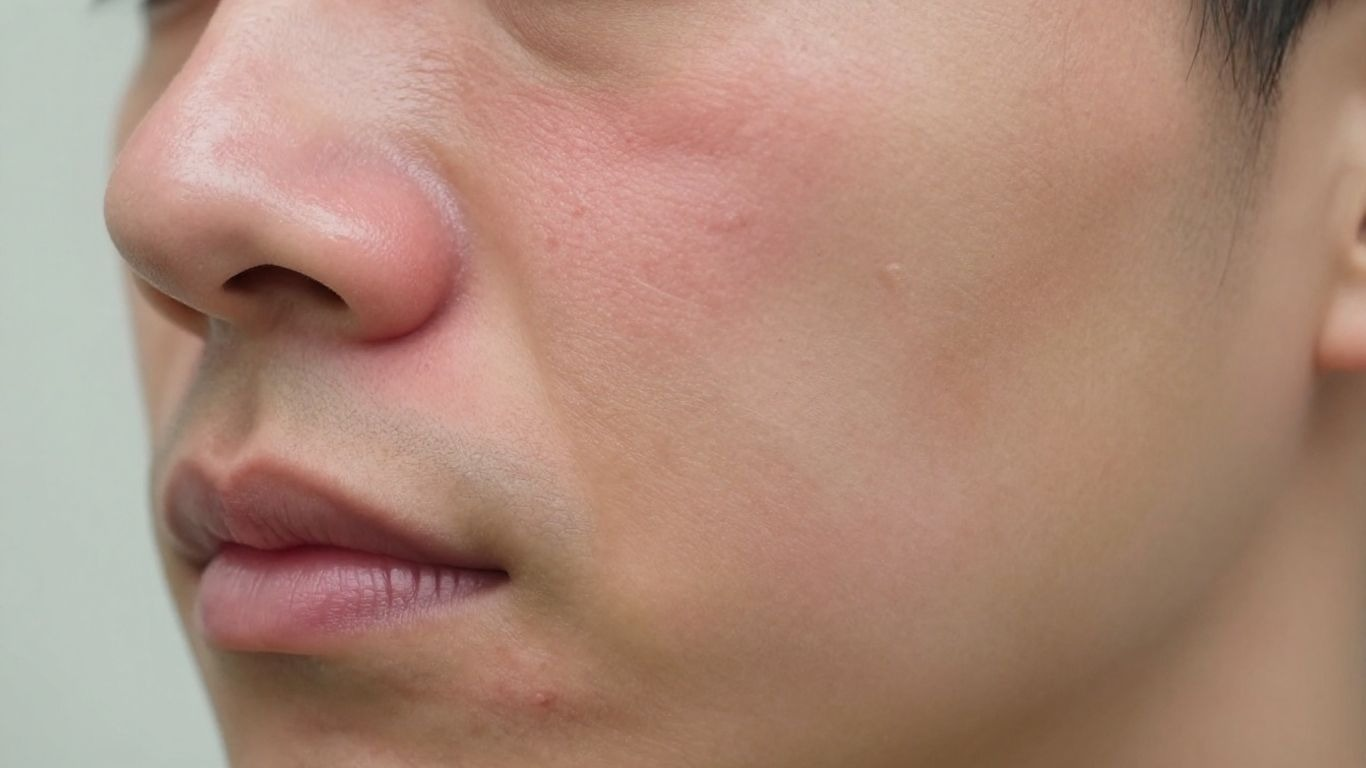
So, you just had a tooth pulled, and now your face looks like you went a few rounds with a prize fighter. It's totally normal to wonder, 'Why does my face swell after a tooth extraction?' Let's break it down. That puffiness you're seeing is usually your body's way of saying, 'Okay, something happened here, and I'm fixing it!' It's a natural reaction to the procedure, kind of like how a bruise forms after a bump.
Is face swollen after a tooth pulled normal or a red flag?
Most of the time, a face swollen after a tooth pulled is completely normal. When a tooth is removed, it's a minor surgical event. Your body kicks into repair mode, sending extra blood and fluid to the area to help it heal. This influx is what causes the swelling. Think of it as your internal cleanup crew arriving on the scene.
Here's a quick look at what's generally considered normal:
- Mild to moderate puffiness: This is the most common reaction.
- Peak swelling: Usually happens within the first 24 to 48 hours after the extraction.
- Gradual decrease: The swelling should start to go down after a few days.
However, there are times when swelling can signal a problem. If the swelling gets significantly worse after a few days, is accompanied by severe pain, fever, or a bad taste or smell from the extraction site, it's time to call your dentist. These could be signs of infection or other complications.
Your body's response to healing involves inflammation. This isn't necessarily a bad thing; it's a sign that your immune system is active and working to repair the tissues. The key is managing this response so it doesn't become excessive or lead to complications.
Main Causes of Facial Swelling After Tooth Extraction
So, you've had a tooth pulled, and now your face looks a bit like a chipmunk. What's going on? Well, facial swelling after a tooth extraction is usually your body's natural way of saying, 'Hey, something happened here, and I'm fixing it!' It's a pretty common reaction, and understanding why it happens can make the whole recovery process feel less alarming.
The body's healing response and inflammation explained
Think of it like this: when a tooth is removed, it's a minor trauma to your gums and the bone underneath. Your body's immediate response is to send a flood of blood and immune cells to the area. This rush of activity is what causes the puffiness you're seeing. It's actually a good sign that your body is kicking into repair mode. This inflammation is a normal part of the healing process, helping to clean up any debris and start rebuilding tissue.
Several things can influence how much swelling you get:
- How complex was the extraction? A simple pull might cause minimal puffiness, but if your dentist had to work a bit harder, maybe with impacted wisdom teeth, expect more swelling.
- How much did the tissues get disturbed? Sometimes, the gums or even a bit of bone need to be gently moved aside to get the tooth out. This manipulation can ramp up the inflammation.
- Your own body's reaction. Everyone heals a little differently. Some people just tend to swell more than others, even with the same procedure.
Basically, the swelling is a temporary side effect of your body doing its job to heal the spot where the tooth used to be. It's your immune system showing up to the party to get things back in order.
While swelling is normal, it's good to know what to look out for. If the swelling gets really bad, doesn't start to go down after a few days, or you develop a fever, it's time to give your dentist a call. But for the most part, that puffy face is just a sign that healing is underway.
How Long Does Swelling Last After Extraction?
So, you've had a tooth pulled, and now your face looks a bit like a chipmunk. Totally normal! But you're probably wondering, "Okay, but for how long does swelling last after extraction?" It's a common question, and the answer is: it varies, but there's a general timeline.
Day-by-day timeline of swelling after dental extraction
Most of the time, swelling is your body's way of saying, "Hey, something happened here, and I'm fixing it!" It's usually at its worst about 2 to 3 days after the procedure. After that, you should start seeing it go down.
Here's a rough idea of what to expect:
- Day 1: This is often when the swelling starts to become noticeable. It might feel tight and tender around your jaw and cheek.
- Days 2-3: This is typically the peak. Your face might look the puffiest now. Keep up with those cold compresses and any pain relief your dentist recommended.
- Days 4-5: You should start to see a difference. The swelling should begin to subside, and you'll likely feel a bit more comfortable.
- Week 1 and beyond: By the end of the first week, most of the significant swelling should be gone. You might still have a little tenderness, but it should be much improved.
Keep in mind that this is a general guide. More complex extractions, like wisdom teeth, might mean swelling sticks around a bit longer. Your body's unique healing speed plays a big role too.
It's important to remember that swelling is a natural part of the healing process. Your body sends extra blood and fluid to the area to help repair the site where the tooth was removed. This is a good sign that your immune system is doing its job.
If your swelling seems to be getting worse after the third day, or if it's accompanied by other concerning symptoms like a high fever or pus, it's definitely time to give your dentist a call. They can check things out and make sure everything is healing properly.
Swelling After Dental Extraction: What to Expect and How to Reduce It
So, you've had a tooth pulled, and now your face looks a bit like a chipmunk. Totally normal! Swelling after dental extraction what to expect is usually just your body doing its thing to heal. Think of it as a temporary side effect of the repair crew getting to work. But hey, we can help speed things along and make it less noticeable.
Home Remedies and Ice Pack Tips for Faster Recovery
Dealing with that post-extraction puffiness is mostly about being gentle and using a few smart tricks. The first 24 hours are key for managing swelling.
Here’s a rundown of what helps:
- Cold Compresses: Grab an ice pack, wrap it in a thin towel (don't put ice directly on your skin!), and hold it against your cheek over the swollen area. Do this for about 15-20 minutes, then take a 20-minute break. Repeat this on and off for the first day. It really helps shrink those blood vessels and calm things down.
- Head Elevation: Try to keep your head propped up, even when you're resting or sleeping. Use an extra pillow or two. This helps prevent fluid from pooling in your face.
- Soft Foods: Stick to things like soup, yogurt, mashed potatoes, or smoothies. Avoid anything hard, crunchy, or spicy that could irritate the extraction site or make you chew awkwardly.
- Hydration (the right way): Drink plenty of water, but skip the straw! Sipping is fine, but using a straw can create suction that might dislodge the blood clot you need for healing.
- Saltwater Rinses: After the first day, gently swishing with warm salt water can help keep the area clean and soothed. Don't swish too hard, though!
- Medication: Your dentist might suggest over-the-counter pain relievers like ibuprofen. These aren't just for pain; they can help with the inflammation too. Just be sure to follow the dosage instructions and check with your dentist if you're on other meds. And definitely avoid aspirin, as it can make you bleed more.
Remember, avoiding things like smoking or vaping is super important. They can really mess with your healing and make that swelling stick around longer.
When Swelling After a Tooth Extraction Needs Urgent Care
While some swelling is expected, there are times when you need to call your dentist or seek immediate help. It's usually when things aren't getting better or seem to be getting worse.
Keep an eye out for these red flags:
- Swelling that keeps getting worse after the third day, instead of starting to go down.
- Severe pain that doesn't get better with the pain medication you were given.
- Fever or chills.
- Pus or a bad taste/smell coming from the extraction site.
- Difficulty swallowing or opening your mouth wide.
If you notice any of these, don't wait. It could mean there's an infection or another issue that needs a professional check-up.
Wrapping Things Up
So, if your face looks a little puffy after getting a tooth pulled, don't freak out. It's usually just your body doing its thing to heal up. Keep up with those cold packs, take it easy, and stick to the soft foods for a bit. Most of the time, things will start looking better in a few days. But hey, if the swelling gets worse, or you're feeling really rough, definitely give your dentist a shout. They're the pros and can tell you if everything's on the up and up.
Frequently Asked Questions
Is it normal for my face to swell after a tooth is pulled?
Yes, it's very common for your face to swell a bit after a tooth extraction. Think of it like a bruise on your skin; your body sends extra fluid and blood to the area to help it heal. This puffiness usually starts within a day or two and gets better over the next few days.
What causes the swelling after a tooth extraction?
When a tooth is removed, it's a minor injury to your gums and jawbone. Your body's natural way of fixing this is by sending healing cells and fluids to the spot, which causes swelling. More complex extractions, like wisdom teeth, might cause more swelling because more work was done.
How long does facial swelling typically last after a tooth extraction?
The puffiness usually reaches its peak about two to three days after the procedure. After that, it should start to go down gradually. Most of the swelling should be gone within a week, though a little bit might linger longer.
What can I do at home to reduce swelling?
You can help reduce swelling by applying a cold pack or ice wrapped in a cloth to your cheek for about 20 minutes at a time, taking breaks in between. Keeping your head slightly elevated, even when sleeping, can also help. Sticking to soft foods and avoiding hot or spicy meals is also a good idea.
When should I worry about the swelling and call my dentist?
While some swelling is normal, you should contact your dentist if the swelling gets much worse after three days, if you have a high fever, severe pain that doesn't get better with medicine, or if you see any pus or have unusual drainage from the extraction site.
Can pain medicine help with swelling?
Yes, over-the-counter anti-inflammatory medicines like ibuprofen can be very helpful. They reduce pain and also help calm down the swelling. Always follow the directions on the package, and ask your dentist if you're unsure which medicine to take or if you have other health conditions.
Blog Post Author

Contributed by DentalROI
DentalROI provides relevant dental content to help providers educate patients. The statements, services, and products referenced in this article have not been evaluated by the Food and Drug Administration, and they are not intended as a substitute for professional medical advice, diagnosis, or treatment. Always seek the advice of your dental provider with any questions or issues you may have. Specific recommendations may vary in different circumstances, so individual consultation is important.