

 CALL THE LOCATION NEAREST YOU
Why Does Jaw Surgery Sometimes Require Orthodontic Treatment First?
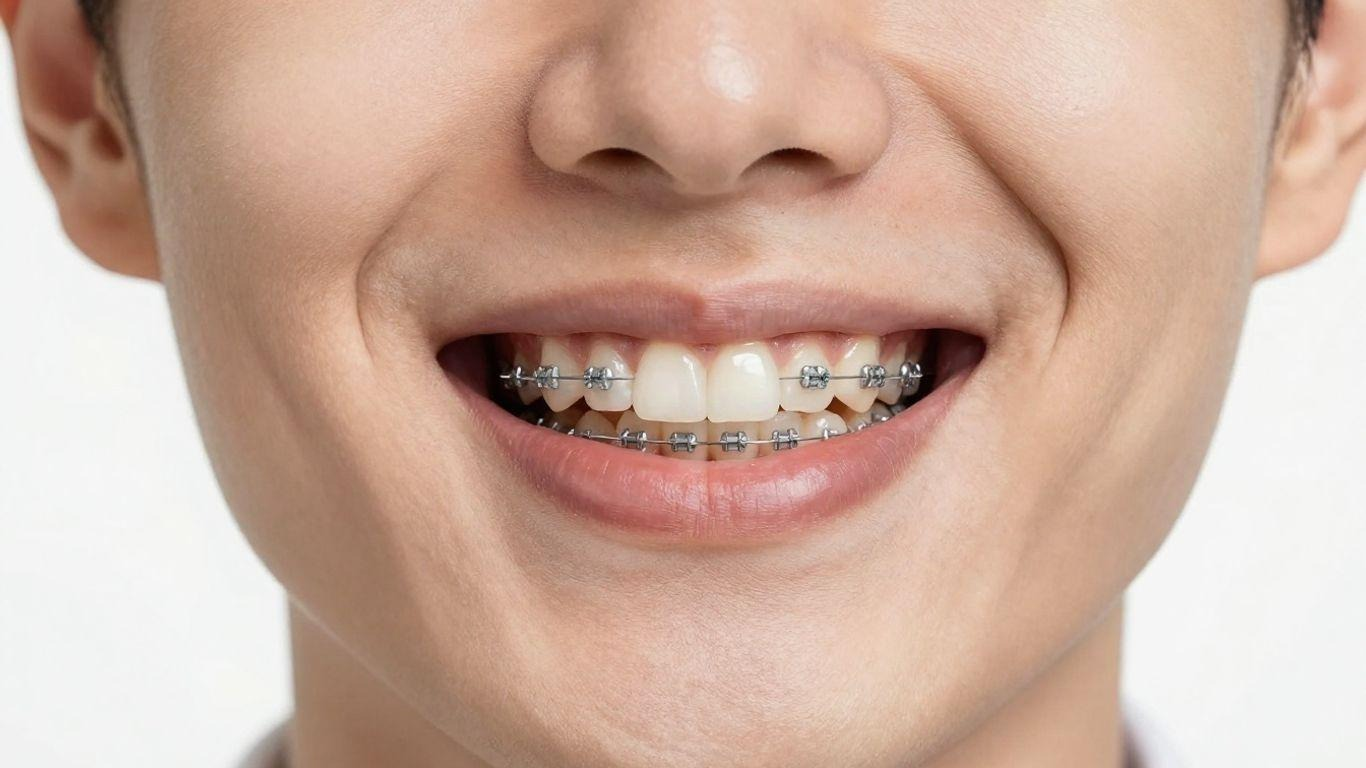
So, you've been told you need jaw surgery, but wait, there's more? You also need braces beforehand? It sounds a bit backward, right? Why go through the trouble of straightening teeth if the whole jaw is going to move anyway? Well, it all comes down to making sure everything lines up perfectly after the big jaw move. Think of it like building a house. You wouldn't just slap walls up without a solid foundation and perfectly placed doorways, would you? The same idea applies here.
Can jaw surgery be done without braces beforehand?
Sometimes, yes, but it's not the usual route. In most cases, if your teeth aren't in a good spot relative to each other, braces are a must before surgery. This is because the surgery itself is mainly about repositioning the jawbones. It doesn't magically fix crooked teeth or gaps. If the teeth aren't set up right beforehand, they won't meet properly after the jaw is moved, leading to a bad bite. There are some exceptions, like a "surgery-first" approach, but that's for specific situations and usually involves less severe tooth alignment issues to begin with.
- The main goal is a functional bite post-surgery.
- Braces help position teeth so they fit together well after the jaw is moved.
- Without pre-surgical orthodontics, you might end up with a bite that's still not right, even with a repositioned jaw.
The surgery is designed to fix the bones of your jaw. Your orthodontist's job before surgery is to get your teeth ready so they work with the new jaw position. It's a team effort for the best outcome.
Orthognathic Surgery and Braces — Why They Go Together
So, you've heard about jaw surgery, or orthognathic surgery as the pros call it, and you're wondering why braces are often part of the deal before you even get to the operating room. It might seem a little backward, right? You're getting surgery to fix your bite, so why mess with braces first? Well, it all comes down to making sure the surgery does its job perfectly.
How long do you need to wear braces before jaw surgery?
This is a big question, and honestly, there's no single answer that fits everyone. The time you'll spend with braces on before your orthognathic surgery can really vary. It depends on how complex your specific bite and jaw alignment issues are. Some folks might only need them for a few months, while others could be in them for a year or even two. It's all about getting your teeth into the best possible position so the surgeon has a solid foundation to work with when they move your jaws.
Think of it like this: the braces are doing the fine-tuning on your teeth, getting them ready to meet perfectly after the main event – the jaw surgery. The surgeon's job is to reposition the bones, but they need your teeth to be in the right spots within those bones to achieve that ideal final bite. The goal is to make sure your teeth fit together like puzzle pieces after your jaw has been moved.
Here’s a general idea of what happens:
- Initial Alignment: Your orthodontist will use braces or clear aligners to start moving your teeth. This isn't about fixing your bite yet, but rather getting each tooth into its correct place within its own arch (upper or lower jaw).
- Surgical Planning: Once the teeth are in a good position, your orthodontist and surgeon will work together. They'll take scans and measurements to plan exactly how your jaws will be moved.
- The Surgery: This is when the main correction happens. Your jaws are repositioned to improve your bite and facial structure.
- Post-Surgical Adjustments: After you've healed a bit, you'll likely go back to your orthodontist for final adjustments. This is where they fine-tune your bite and make sure everything is stable and working well.
It's important to remember that pre-surgical orthodontics isn't just about straightening teeth. It's a strategic step designed to set the stage for successful jaw surgery. Without this preparation, the surgery might not achieve the desired functional and aesthetic outcomes, and the final bite could be compromised.
So, while it might feel like an extra step, wearing braces before orthognathic surgery and braces before surgery is a really important part of the process for many people. It's all about teamwork between your teeth, your jaws, and your dental professionals to get you the best possible result.
Why Braces Are Needed Before Jaw Surgery — The Real Reason
So, you're thinking about jaw surgery, huh? It sounds like a big deal, and it is! But before you get to the actual surgery part, your orthodontist will likely want you to wear braces for a while. This isn't just to make your teeth look a little straighter; there's a really important reason behind it. It all comes down to making sure everything lines up perfectly after your jaw has been moved.
What Does Pre-Surgical Orthodontics Actually Do to Prepare the Jaw?
Think of it like this: jaw surgery is all about repositioning the bones of your jaw. The teeth, however, stay put in their current spots relative to their own jaws. If your teeth are already a bit crooked or don't line up well, just moving the jaw bones won't magically fix your bite. That's where braces come in. Your orthodontist uses them to get your teeth into the best possible position before the surgery happens.
Here’s a breakdown of what pre-surgical orthodontics aims to achieve:
- Aligning Teeth: The main goal is to straighten your teeth and make sure they have the right spacing. This is super important because after surgery, your teeth need to fit together properly.
- Optimizing Bite: Braces help position your teeth so that when your jaws are moved into their new places, your upper and lower teeth will meet correctly. This creates a functional and stable bite.
- Preparing for Surgery: Sometimes, the orthodontist might even move your teeth in a way that temporarily makes your bite look a little worse. This sounds weird, but it's done to set up the perfect scenario for the surgeon to reposition the jaws and achieve the best final result.
The real reason braces are needed before jaw surgery is to ensure that your teeth are in the ideal position to function correctly and fit together properly once your jaws have been surgically repositioned. It's all about setting the stage for a successful outcome.
It’s not just about aesthetics; it’s about making sure your bite works well for chewing, speaking, and overall oral health. Without this step, the surgery might not give you the results you're hoping for, and you could end up with bite problems even after the procedure.
Pre-Surgical Orthodontics — What to Expect and How Long It Takes
So, you're getting ready for jaw surgery, and your orthodontist says you need braces first. It might feel like an extra step, but it's a really important one. This part of the process, often called pre-surgical orthodontics, is all about setting the stage for your surgery to go smoothly and for you to get the best possible results. It's not just about making your teeth look a bit straighter; it's about preparing your whole bite for the big move.
What to Expect During Pre-Surgical Orthodontics
This phase is where your orthodontist gets your teeth into the ideal position before your jaw is surgically repositioned. It might seem a little counterintuitive, as sometimes your bite might even look a bit worse temporarily. That's okay! The main goal here is to align your teeth so they fit together perfectly once your jaws are in their new, corrected places. Think of it like getting all the pieces of a puzzle ready before you put them together.
Here’s a breakdown of what usually happens:
- Braces or Aligners: You'll likely be wearing traditional braces or clear aligners. The orthodontist will carefully move your teeth, sometimes quite a bit, to get them ready for the surgery.
- Bite Adjustment: The focus isn't just on straight teeth, but on how they occlude (or bite together). Your orthodontist will work to position them so they'll mesh correctly after the jaw surgery.
- Temporary Changes: Don't be surprised if your bite feels a little off or even awkward during this stage. This is normal, as the teeth are being positioned for the future jaw alignment, not necessarily the current one.
How Long Does Pre-Surgical Orthodontics Take?
This is where things can vary quite a bit from person to person. The length of time you'll need braces before surgery depends on a few things, like how misaligned your teeth and jaws are to begin with, and how your teeth respond to treatment. Generally, you can expect to wear braces for anywhere from 8 to 18 months before your surgery date.
The exact duration is really tailored to your specific situation. Your orthodontist and surgeon will work together to figure out the best timeline for you, making sure everything is perfectly prepped for the operation. It's a coordinated effort to get you to the finish line with a great outcome.
Factors influencing the timeline include:
- Severity of the Misalignment: More complex jaw and bite issues usually require more time.
- Individual Tooth Movement: Some people's teeth move faster than others.
- Treatment Goals: The specific changes needed before surgery will dictate how long treatment lasts.
It's a marathon, not a sprint, but every adjustment brings you closer to a healthier, more functional bite and a more balanced facial profile.
Orthodontics Before Jaw Surgery Explained — Full Patient Guide
So, you're looking at jaw surgery and wondering about the whole braces-first thing? Let's break down what orthodontics before jaw surgery explained really means for you. It's not just about getting your teeth straight in the usual way; it's a specific preparation phase for a bigger job.
Think of it like getting ready for a major home renovation. You wouldn't just start tearing down walls, right? You'd clear out the space, maybe move some furniture around, and make sure everything is set up for the builders. Pre-surgical orthodontics is kind of like that for your mouth. The main goal is to get your teeth into the best possible position so they'll fit together perfectly once your surgeon repositions your jaw.
Here’s a look at what usually happens:
- Tooth Alignment: Your orthodontist will use braces or clear aligners to move your teeth. This isn't always about making your smile look its best right now. Sometimes, the teeth are moved in a way that might even look a bit off before surgery. This is done to set them up for the ideal bite after the jaw is moved.
- Creating Space: Sometimes, teeth need to be moved to create specific spaces or to ensure they are not too crowded, which helps the surgeon with the jaw movements.
- Preparing for Stability: Getting the teeth aligned correctly beforehand helps ensure that once the jaw is in its new place, the bite will be stable and functional long-term.
This phase can take a while, often anywhere from 8 to 18 months, sometimes even longer. It really depends on how much your teeth need to move and the complexity of your specific jaw issue.
It's important to remember that this isn't just about aesthetics. While a better-looking smile is often a result, the primary focus of pre-surgical orthodontics is function. This means making sure you can chew properly, speak clearly, and avoid long-term problems like jaw pain or excessive tooth wear that can come from a misaligned bite.
Your orthodontist and oral surgeon work together closely during this entire process. They'll use X-rays, 3D scans, and detailed measurements to plan everything out. It's a coordinated effort to get you from where you are now to a healthier, more functional bite after surgery.
Wrapping It Up
So, while the idea of braces before jaw surgery might seem like an extra step, it's usually a really important one. Think of it as getting everything perfectly lined up before the main event. This prep work helps make sure the surgery does its job best and that your smile ends up looking and feeling great for years to come. It’s all about getting you the best possible outcome, and sometimes that just means taking a bit more time upfront.
Frequently Asked Questions
Do I always need braces before jaw surgery?
Not always, but most of the time, yes. If your jaw is really out of place, braces help get your teeth in the right spot so they'll line up nicely after the surgery. Sometimes, if the jaw issue is minor, or if the surgeon has a special plan, you might not need braces first.
How long do I wear braces before surgery?
It really depends on your specific situation. Usually, it's somewhere between 8 months to a year, maybe even a bit longer if things are complicated. Your orthodontist will keep an eye on things and let you know when you're ready for the next step.
What's the point of braces before surgery?
The main reason is to get your teeth perfectly positioned. Jaw surgery moves your jaw bones, not your teeth. So, if your teeth aren't in the right place beforehand, they won't line up correctly with the new jaw position, and your bite won't be right. Braces fix that.
Will my bite get worse with braces before surgery?
It might seem that way sometimes! The orthodontist is moving your teeth to prepare them for the jaw surgery. This can sometimes make your bite look a little off temporarily. Don't worry, this is all part of the plan to get everything perfect after the surgery.
What happens after jaw surgery with braces?
After your jaw has healed from surgery, you'll likely still have your braces on. Your orthodontist will then use them to make final small adjustments. They'll fine-tune your bite to make sure everything is perfectly aligned and stable. This part usually takes several more months.
Can jaw surgery fix breathing problems?
Yes, in some cases! If your jaw is significantly out of place, it can affect your airway and make breathing difficult, especially when you sleep (like with sleep apnea). Jaw surgery can help reposition the jaw to open up your airway and make breathing easier.
Blog Post Author

Contributed by DentalROI
DentalROI provides relevant dental content to help providers educate patients. The statements, services, and products referenced in this article have not been evaluated by the Food and Drug Administration, and they are not intended as a substitute for professional medical advice, diagnosis, or treatment. Always seek the advice of your dental provider with any questions or issues you may have. Specific recommendations may vary in different circumstances, so individual consultation is important.