

 CALL THE LOCATION NEAREST YOU
What is an oral and maxillofacial surgeon
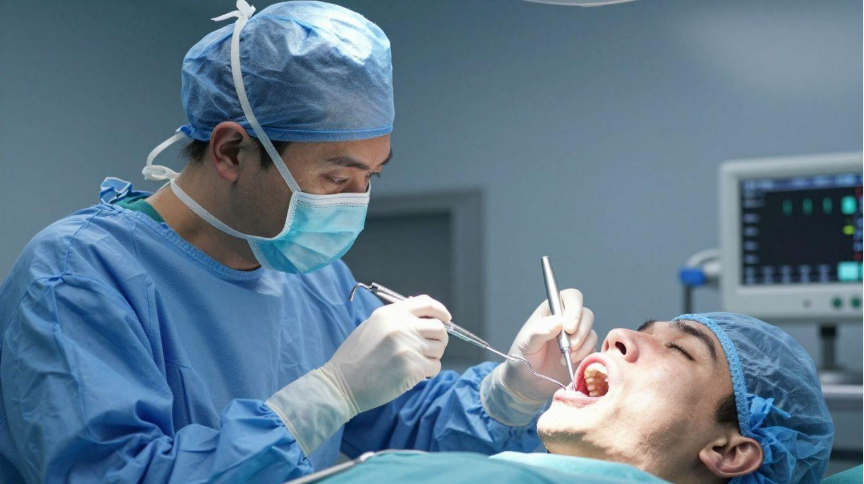
When you hear about someone needing surgery for their mouth or face, you might wonder who handles that kind of work. It's a specialized field, and the professionals who do this are known as oral and maxillofacial surgeons. Understanding what an oral and maxillofacial surgeon does can help clear things up. They are highly trained medical and dental experts who deal with a wide range of issues affecting the head, neck, jaws, and mouth. So, what exactly is an oral surgeon called, and what kind of problems do they fix?
Key Takeaways
- An oral and maxillofacial surgeon, often called an oral surgeon, is a specialist who treats conditions related to the mouth, jaws, face, and neck.
- These surgeons have dual training in both medicine and dentistry, completing extensive hospital-based residency programs.
- They handle a variety of issues, from wisdom tooth removal and dental implants to complex facial trauma and reconstructive surgery.
- The procedures performed can range from cosmetic enhancements to the treatment of serious injuries and diseases.
- Choosing a board-certified oral and maxillofacial surgeon ensures a high standard of care and expertise.
Understanding the Role of an Oral and Maxillofacial Surgeon
So, what exactly does an oral and maxillofacial surgeon do? You might hear them called an oral surgeon, and that's pretty much right. They are specialists who focus on surgery involving the mouth, jaws, face, and even the neck. Think of them as the experts who bridge the gap between dentistry and medicine, handling complex issues that require a deep knowledge of both.
These surgeons have a unique background. They start with dental school, just like any dentist, but then they go on to complete several more years of intensive, hospital-based surgical training. This training covers a wide range of medical and surgical areas, not just the mouth. They learn about things like general surgery, anesthesiology, and even emergency medicine. This broad training means they're prepared for a lot of different situations.
The core of their work involves diagnosing and treating problems related to the hard and soft tissues of the face, mouth, and jaws. This isn't just about pulling teeth; it's about reconstructing faces after injuries, correcting jaw alignment issues, and treating diseases that affect these areas.
Here's a quick look at what sets them apart:
- Extensive Surgical Training: They complete a rigorous residency program, often lasting 4 to 6 years, in a hospital setting.
- Dual Qualification: Their training combines dental and medical knowledge, allowing them to treat a wide spectrum of conditions.
- Specialized Focus: While they have broad medical training, their practice is dedicated to surgery of the face, mouth, and jaws.
It's important to know that an oral and maxillofacial surgeon is not the same as a general dentist. While a dentist handles routine care like cleanings and fillings, an oral surgeon is specifically trained for surgical procedures. They have specialized equipment and a deeper understanding of surgical techniques.
Oral and maxillofacial surgeons are highly trained medical professionals who manage a wide variety of problems, from cosmetic improvements to emergency care. Their expertise is vital for conditions affecting the face, mouth, and jaws.
When you're looking for care related to your jaw or face, understanding what an oral and maxillofacial surgeon does is the first step. They are the go-to specialists for complex surgical needs in this region.
Advanced Training Behind Oral and Maxillofacial Surgery
Becoming an oral and maxillofacial surgeon involves a really rigorous path, going way beyond standard dental school. After earning a dental degree, these specialists undertake a hospital-based residency program that typically lasts between four to six years. This extensive training is designed to equip them with a broad medical and surgical knowledge base.
During their residency, surgeons gain experience in various medical fields. This includes rotations in areas like anesthesiology, general surgery, internal medicine, and even plastic surgery and neurosurgery. This broad exposure is key to managing complex patient needs and understanding the intricate anatomy of the head and neck.
The core of their advanced training focuses specifically on surgery of the mouth, jaws, face, and neck. This specialized education covers a wide range of conditions and procedures, from wisdom tooth removal and dental implants to complex facial trauma reconstruction and corrective jaw surgery. They learn to handle everything from minor issues to major reconstructive challenges.
Here's a look at the typical areas of focus during their surgical training:
- Dental implant placement and bone grafting
- Wisdom tooth extraction
- Corrective jaw surgery (orthognathic surgery)
- Treatment of facial trauma and fractures
- Management of temporomandibular joint (TMJ) disorders
- Diagnosis and surgical treatment of oral and facial pathology
- Facial cosmetic and reconstructive surgery
This multi-year, in-depth training ensures that oral and maxillofacial surgeons possess a unique blend of dental, medical, and surgical skills. It's this specialized background that allows them to address a wide spectrum of conditions affecting the face, mouth, and jaws with precision and care.
This extensive training is what sets oral and maxillofacial surgeons apart. They are uniquely qualified to handle surgical issues within the complex structures of the face and jaw, bridging the gap between dentistry and medicine.
Conditions Treated by an Oral and Maxillofacial Surgeon
Oral and maxillofacial surgeons handle a wide variety of issues affecting the mouth, jaws, face, and neck. Their training bridges dentistry and medicine, allowing them to treat complex conditions that impact both function and appearance. They address problems ranging from infections and injuries to developmental abnormalities and tumors.
Some of the common conditions they manage include:
- Facial trauma: This covers injuries like broken jaws, cheekbones, or eye sockets, often resulting from accidents or assaults. Surgeons work to realign bones and repair soft tissue damage.
- Jaw and facial deformities: Conditions where the jaws or facial bones don't develop properly, affecting bite, breathing, or appearance. This can include conditions like significant overbites or underbites.
- Temporomandibular joint (TMJ) disorders: Problems affecting the jaw joint, which can cause pain, clicking, and difficulty opening the mouth.
- Oral and facial infections: Serious infections in the mouth, jaw, or face that require prompt surgical attention.
- Cysts and tumors: Abnormal growths in the mouth, jaw, or facial structures that need to be diagnosed and removed.
- Sleep apnea: In some cases, jaw surgery can help correct airway issues contributing to severe sleep apnea.
The scope of their practice is broad, touching on both reconstructive and cosmetic needs. They are equipped to handle everything from routine wisdom tooth removal to complex reconstructive surgeries following trauma or cancer treatment.
Common Procedures Performed
Oral and maxillofacial surgeons handle a wide variety of procedures, addressing everything from routine tooth extractions to complex reconstructive surgeries. Their training equips them to manage issues affecting the mouth, jaws, face, and neck.
Some of the most frequent procedures include:
- Wisdom Tooth Removal: This is a very common procedure, often performed to prevent pain, infection, or damage to adjacent teeth.
- Dental Implants: For those missing teeth, surgeons can place implants to provide a stable foundation for replacement teeth, restoring both function and appearance. This can sometimes involve bone grafting to ensure there's enough support.
- Corrective Jaw Surgery (Orthognathic Surgery): This type of surgery realigns the jaws and teeth. It's done to fix bite problems, improve breathing, and enhance facial balance when orthodontics alone isn't enough.
- Facial Trauma Repair: Surgeons are skilled in treating injuries to the face, including fractures of the jaw, cheekbones, and eye sockets. They work to restore both the form and function of the facial structures.
- Cleft Lip and Palate Repair: These procedures correct birth differences in the lip and roof of the mouth, significantly improving a patient's ability to eat, speak, and breathe, while also enhancing their appearance.
- Cosmetic Facial Procedures: Beyond reconstructive work, surgeons also perform cosmetic enhancements, which can range from less invasive treatments to more involved surgeries like eyelid lifts or nose reshaping.
These procedures require a deep understanding of facial anatomy and function. Whether it's for reconstructive purposes after an injury or to correct a long-standing issue, the goal is always to improve the patient's health and quality of life.
Comfort, Safety, and Sedation Options
Going through any kind of surgery can bring up questions, especially when it involves your face or mouth. It's completely normal to feel a bit anxious about the process. Oral and maxillofacial surgeons understand this and prioritize making your experience as comfortable and safe as possible. They are trained extensively not just in surgical techniques but also in managing patient comfort and anxiety.
A key part of this is the use of sedation. Depending on the procedure and your personal needs, various levels of sedation can be used. This helps you relax and can even make you feel like you slept through the entire treatment. The goal is to minimize any discomfort you might feel during and immediately after the procedure.
Here are some common ways your comfort and safety are managed:
- Local Anesthesia: This numbs the specific area where the surgery is being performed.
- Nitrous Oxide (Laughing Gas): Often used for milder anxiety, this gas helps you relax and can make time seem to pass more quickly.
- Intravenous (IV) Sedation: This is administered through a vein and can range from minimal to deep sedation, where you're very drowsy and may have little memory of the procedure.
- General Anesthesia: For more complex surgeries, you might be put completely to sleep so you are unaware during the entire operation.
Your surgeon will discuss these options with you beforehand, explaining what each involves and helping you choose the best fit for your procedure and your comfort level. Safety is paramount, and the surgical team is always monitoring your vital signs throughout the entire process.
In Summary
So, when you hear about an oral and maxillofacial surgeon, remember they're highly trained specialists. They handle a wide range of issues, from wisdom teeth to complex facial reconstruction. Their dual training in medicine and dentistry means they can address problems that affect both your oral health and your overall facial structure. If you're facing a condition that might require their skills, don't hesitate to ask your dentist or doctor for a referral. Finding a qualified surgeon, especially one who is board-certified, is a great step toward getting the best possible care for your specific needs.
Frequently Asked Questions
What exactly does an oral and maxillofacial surgeon do?
An oral and maxillofacial surgeon is a highly trained medical professional who focuses on treating problems related to the mouth, jaw, face, and neck. They handle everything from wisdom tooth removal to complex facial reconstruction after injuries.
How is an oral and maxillofacial surgeon different from a regular dentist?
While both dentists and oral surgeons go to dental school, oral and maxillofacial surgeons complete many additional years of specialized training in a hospital setting. This allows them to perform surgeries on the face and jaws that go far beyond what a general dentist typically does.
What kind of issues can an oral and maxillofacial surgeon fix?
They can treat a wide range of problems, including broken jaws, facial trauma, impacted teeth, jaw tumors, sleep apnea, and even birth defects like cleft lip and palate. They also perform cosmetic procedures to improve facial appearance.
Do oral and maxillofacial surgeons perform dental implant surgery?
Yes, they are experts in placing dental implants. Sometimes, this involves bone grafting to make sure there's enough strong bone in the jaw to support the implant, ensuring a stable and natural-looking replacement for missing teeth.
What kind of training do these surgeons have?
After dental school, they undergo a rigorous 4 to 6-year hospital-based surgical residency. This training covers many areas, including general surgery, anesthesia, and intensive care, in addition to specialized training in oral and facial surgery.
What are the benefits of choosing a board-certified oral and maxillofacial surgeon?
Board certification means a surgeon has met the highest standards in their field through tough exams and ongoing education. Choosing a board-certified surgeon gives patients confidence that they are receiving care from a highly skilled and knowledgeable professional.
Blog Post Author

Contributed by DentalROI
DentalROI provides relevant dental content to help providers educate patients. The statements, services, and products referenced in this article have not been evaluated by the Food and Drug Administration, and they are not intended as a substitute for professional medical advice, diagnosis, or treatment. Always seek the advice of your dental provider with any questions or issues you may have. Specific recommendations may vary in different circumstances, so individual consultation is important.