
 CALL THE LOCATION NEAREST YOU
What Is Platelet-Rich Fibrin and How Is It Used in Oral Surgery?
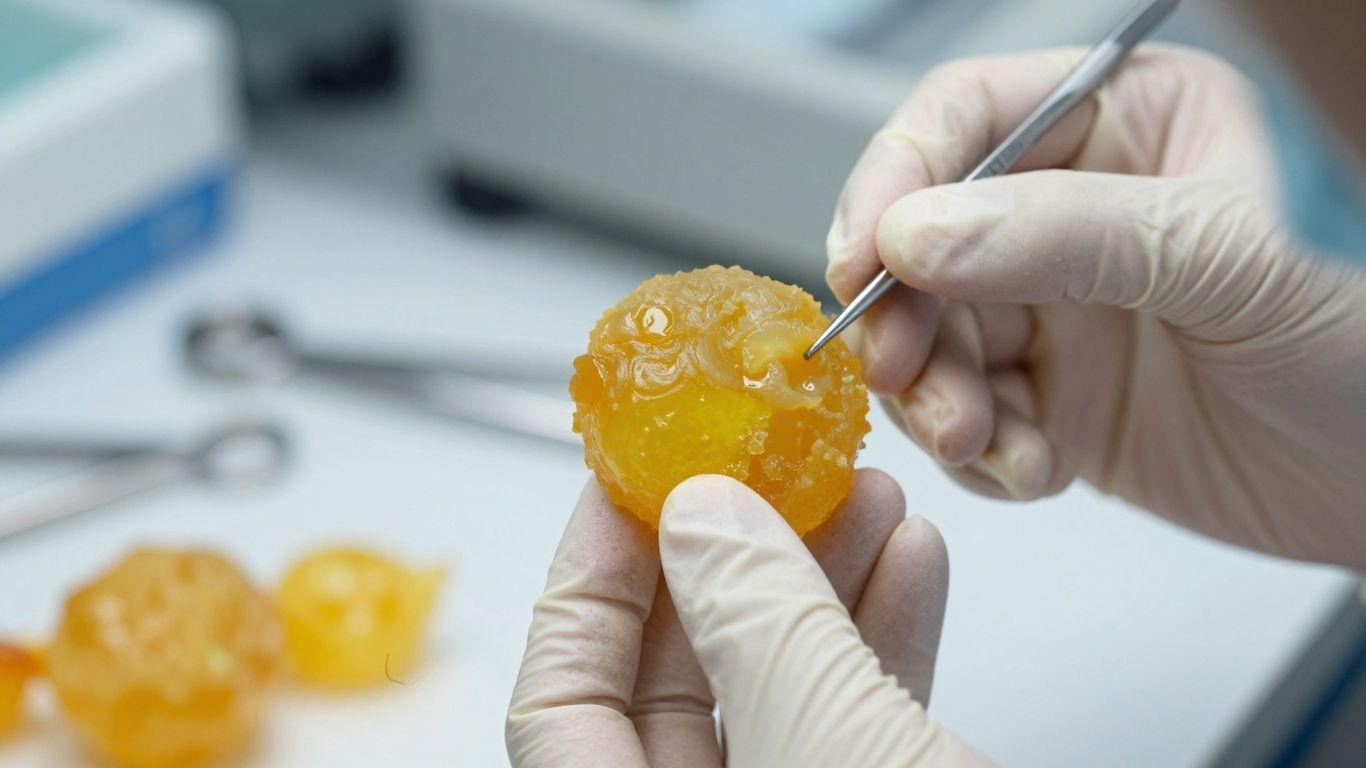
So, what exactly is Platelet-Rich Fibrin, or PRF, and why are dentists talking about it for oral surgery? Think of it as a super-boost for your body's natural healing process, all made from your own blood. It's pretty neat, actually.
What Are Platelets and Fibrin?
Let's break it down. You know those tiny little things in your blood called platelets? They're like the first responders when you get a cut. They rush to the scene, clump together, and start the process of stopping bleeding. They also carry a bunch of growth factors – think of these as little messengers that tell your body to start repairing itself. Fibrin is another protein in your blood that forms a mesh-like structure. When platelets and fibrin work together, they create a clot, which is basically nature's bandage.
How Is PRF Created?
Creating PRF is surprisingly simple and doesn't involve any weird additives. Your dentist or oral surgeon will draw a small amount of your blood, kind of like for a regular blood test. This blood is then put into a special machine called a centrifuge. This machine spins the blood at a specific speed for a set amount of time. This spinning separates the blood into different layers. The magic happens when the platelets and fibrin gather together in a concentrated form. This concentrated mix is what we call Platelet-Rich Fibrin.
There are a couple of ways PRF can be prepared, depending on what's needed for the surgery:
- Solid PRF: This is often used as a membrane or a plug. It's like a natural scaffold that can help guide bone growth or cover a surgical site.
- Liquid PRF: This form can be injected into areas where more diffuse healing is needed, like around implants.
The whole idea behind PRF is to concentrate the natural healing components your body already has and put them right where they're needed most. It's a way to give your body a helping hand in the healing process after dental procedures.
This PRF material is then carefully placed into the surgical area in your mouth. It's a key part of understanding what is platelet rich fibrin in oral surgery and its various platelet rich fibrin dental procedure uses.
The Science Behind PRF's Healing Properties
So, what makes Platelet-Rich Fibrin (PRF) such a game-changer for healing, especially in your mouth after surgery? It all comes down to a couple of key players: platelets and fibrin, working together like a super-team.
Growth Factors and Their Role
Think of platelets as tiny little emergency responders in your blood. When you get injured, they rush to the scene. But they're not just there to stop bleeding; they also carry a bunch of really important proteins called growth factors. These growth factors are like the construction crew's blueprints and instructions. They tell your body's cells what to do, like how to build new tissue, grow blood vessels, and generally speed up the repair process. PRF is basically a concentrated dose of these healing signals, all packed into a convenient form.
The Fibrin Matrix: A Natural Scaffolding
Now, let's talk about fibrin. When your blood starts to clot, fibrin forms a mesh-like structure. This mesh is super important because it acts like a natural scaffolding. It traps those platelets and their growth factors right where they're needed most – at the surgical site. This means the healing signals aren't just floating around; they're held in place, slowly releasing their magic over time. This sustained release is a big deal because it gives your body a consistent boost for healing, rather than a quick burst that fades away.
Here's a quick look at what happens:
- Platelets: Carry the growth factors.
- Fibrin: Creates a sticky network to hold everything together.
- Growth Factors: Signal cells to repair and rebuild.
The whole idea is to harness your body's own natural healing power and give it a significant nudge in the right direction. By concentrating these elements, PRF helps create an optimal environment for tissues to regenerate more effectively and quickly.
This combination of a concentrated growth factor delivery system and a stable, natural scaffold is what gives PRF its impressive ability to speed up healing and improve outcomes in oral surgery.
Applications of PRF in Oral Surgery
So, where exactly does Platelet-Rich Fibrin (PRF) come into play in the world of oral surgery? Turns out, it's pretty versatile and pops up in a bunch of different procedures. Think of it as a natural boost for healing.
Socket Preservation and Ridge Augmentation
After a tooth is pulled, especially a tricky one, you've got a gap, right? PRF can be used to help preserve that socket. It basically encourages new bone to form and helps keep the ridge (the bony part of your jaw) from shrinking. This is super important if you're planning on getting a dental implant later on, as it gives you a better foundation. It's also used in ridge augmentation, which is basically building up the jawbone to make it wider or taller, often for cosmetic reasons or to support implants.
Dental Implant Procedures
When it comes to placing dental implants, PRF can be a real game-changer. It's often mixed with bone grafting materials or placed around the implant itself. The idea is that PRF helps the bone integrate better with the implant and speeds up the healing process. This means a stronger, more stable implant with less downtime. It's also been shown to help in sinus lift procedures, which are needed when there isn't enough bone in the upper jaw for an implant.
Periodontal Defect Treatment
Gum disease can leave behind some nasty bone defects around your teeth. PRF can be used here to help regenerate that lost bone and gum tissue. It acts like a natural scaffold, giving your body the signals it needs to rebuild. This can help make your gums healthier and save teeth that might otherwise be lost.
Management of Oral Lesions and Wounds
PRF isn't just for bone. It's also used to help heal soft tissue wounds and lesions in the mouth. Whether it's from surgery, an injury, or certain medical conditions, applying PRF can help the area close up faster and with less inflammation. This is part of the broader prf oral surgery benefits explained, making recovery smoother.
Here's a quick rundown of how PRF helps speed healing after oral surgery:
- Growth Factor Release: PRF is packed with proteins that tell your cells to repair and grow.
- Natural Scaffolding: The fibrin matrix provides a structure for new tissue to build upon.
- Reduced Inflammation: It seems to calm down the inflammatory response, making things more comfortable.
- Lower Infection Risk: Since it's your own blood, there's less chance of a reaction or infection compared to artificial materials.
Using PRF in oral surgery is all about working with your body's natural healing power. It's a way to give your tissues a little nudge in the right direction, leading to better outcomes and a more comfortable recovery. This is a key part of understanding prf treatment after tooth extraction and how prf speeds healing after oral surgery.
Benefits and Advantages of Using PRF
So, why are dentists and surgeons getting more into Platelet-Rich Fibrin (PRF)? Well, it turns out this stuff has some pretty neat advantages, especially when you're talking about healing after oral surgery.
First off, it's made from your own blood. That's a big deal because it means your body is way less likely to have a bad reaction to it. No weird allergies or rejections to worry about. Plus, the whole process of making it is pretty straightforward – they just spin your blood in a special machine. This also means it's generally not a super expensive add-on to your treatment.
Here are some of the key perks:
- Speeds up healing: The growth factors packed into PRF act like a natural signal to your body, telling it to get to work repairing the area faster. This can mean less time spent recovering.
- Less swelling and pain: Because it helps tissues heal more efficiently, patients often report feeling less discomfort and noticing reduced swelling after procedures where PRF is used.
- Better tissue regeneration: Whether it's bone or gum tissue, PRF seems to give your body a better foundation to rebuild with, leading to more robust healing.
- Lower infection risk: Since it's your own blood, there's a reduced chance of introducing outside bacteria or causing an infection compared to some other grafting materials.
- Natural approach: It's a way to use your body's own healing power, without needing synthetic materials.
The simplicity of preparing PRF, combined with its natural origin from the patient's own blood, makes it an attractive option for improving surgical outcomes and patient comfort. It's like giving your body a helpful boost using its own resources.
While research is always ongoing, the general consensus is that PRF can be a really helpful tool in the oral surgeon's toolkit, making the healing process smoother and more effective for patients.
Conclusion
So, that's the scoop on Platelet-Rich Fibrin. It's basically your body's own super-healing juice, made from your blood, that helps things mend faster and better after oral surgery. Pretty neat, right? It's a natural way to speed up recovery, reduce pain, and get you back to feeling normal sooner. If you're facing oral surgery, ask your dentist or surgeon about PRF – it might just be the key to a smoother healing process.
Frequently Asked Questions
What exactly is Platelet-Rich Fibrin (PRF)?
Think of PRF as a special concentrate made from your own blood. It’s got lots of tiny helpers called platelets and a natural sticky stuff called fibrin. These work together to help your body heal itself, kind of like a natural bandage.
How do they make PRF?
It’s pretty simple. A small amount of your blood is drawn, like for a regular blood test. Then, it’s put in a special machine that spins it around really fast. This spinning separates the blood, concentrating the platelets and fibrin into a gel-like substance.
Why is PRF used in oral surgery?
Doctors use PRF because it helps speed up healing after procedures like tooth extractions or when placing dental implants. It encourages new bone and gum tissue to grow, which means less swelling and discomfort for you.
Is PRF the same as PRP?
They are similar because both come from your blood and have platelets. But PRF is a bit different. It doesn't need anything extra added to make it work, and it forms a stronger, more natural healing scaffold than PRP.
Is getting PRF safe?
Yes, it's very safe! Since it's made from your own blood, there's no risk of your body rejecting it or catching a disease from it. It's a natural process your body already knows how to do.
What does PRF feel like after surgery?
Most people find that using PRF helps them feel better faster. It can mean less pain, less swelling, and a quicker recovery compared to not using it. It’s all about giving your body a little extra boost to heal.
Blog Post Author

Contributed by DentalROI
DentalROI provides relevant dental content to help providers educate patients. The statements, services, and products referenced in this article have not been evaluated by the Food and Drug Administration, and they are not intended as a substitute for professional medical advice, diagnosis, or treatment. Always seek the advice of your dental provider with any questions or issues you may have. Specific recommendations may vary in different circumstances, so individual consultation is important.