

 CALL THE LOCATION NEAREST YOU
What Is Jaw Surgery and Who Needs It
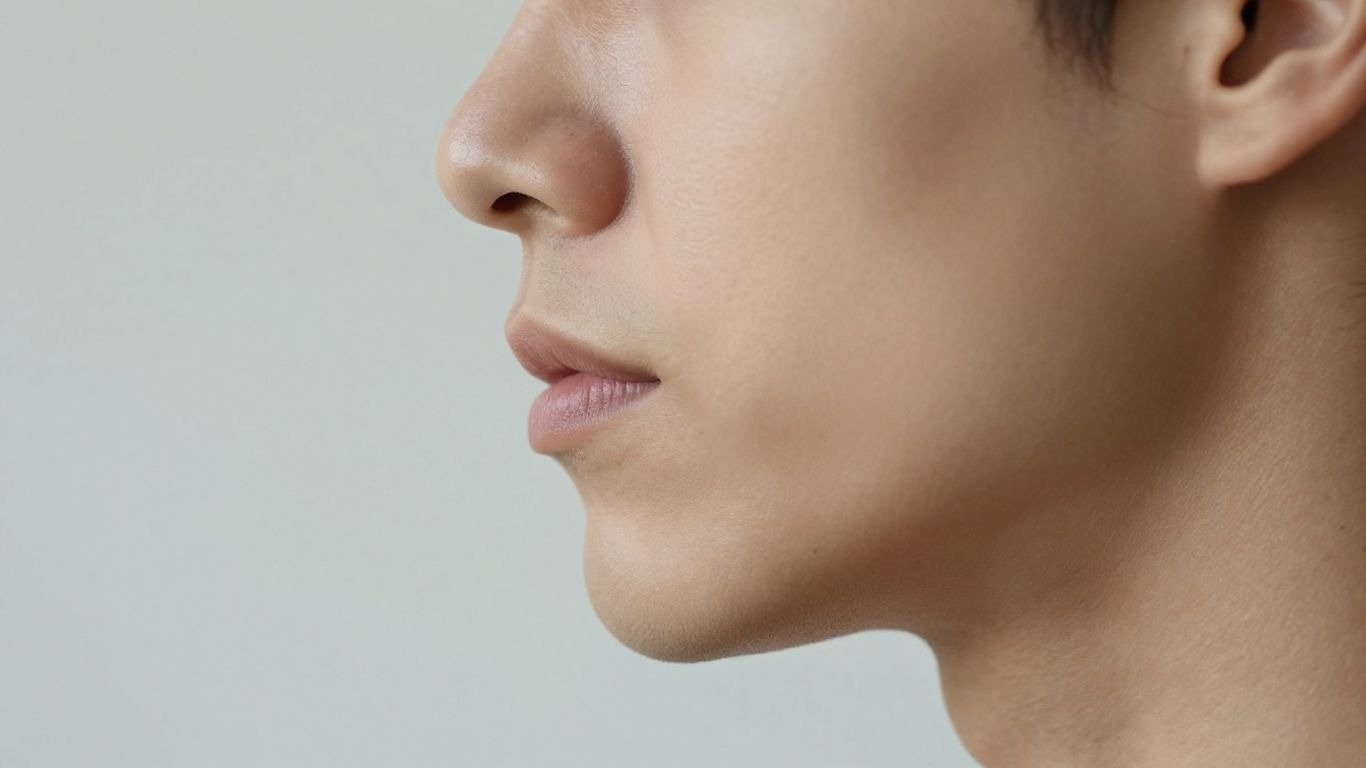
You know, sometimes your jaw just doesn't line up right. It's not always something you notice right away, but it can cause a whole bunch of problems, from making it hard to eat your favorite foods to causing actual pain. For a lot of people, regular braces just don't cut it. That's where jaw surgery, or orthognathic surgery, comes in. It's a way to fix those underlying jaw position issues that impact how you function and, let's be honest, how you look. If you've been dealing with persistent discomfort or bite problems, you might be wondering if this procedure is for you. Let's break down what jaw surgery is all about and who might need it.
What’s Important to Know
- Jaw surgery, also called orthognathic surgery, corrects jaw alignment issues that braces alone can't fix.
- Signs you might need jaw surgery include chronic jaw pain, difficulty chewing, facial asymmetry, and breathing problems.
- The surgery aims to improve not just appearance but also essential functions like eating, speaking, and breathing.
- The process involves consultations, pre-surgical orthodontics, the surgery itself, and post-surgical care, often taking over a year.
- Recovery includes a soft diet, limited movement, and follow-up appointments, with most people returning to normal activities within a few weeks.
What Is Jaw Surgery (Orthognathic Surgery)?
So, what exactly is jaw surgery, or as the fancy folks call it, orthognathic surgery? Basically, it's a way to fix problems with how your upper and lower jaws line up. Think of it like this: if your teeth don't meet right, or if your jaw itself is just in the wrong spot, it can cause a whole bunch of issues. This surgery is designed to move those jaws into a better position.
What conditions require corrective jaw surgery?
- Trouble chewing or biting food: If your teeth don't line up, biting into an apple or even just chewing a piece of steak can be a real pain. Sometimes, it's just awkward, other times it's downright uncomfortable.
- Jaw pain or clicking: That constant ache in your jaw joint, or those annoying clicks when you open your mouth? That can be a sign your jaw isn't sitting right.
- Breathing issues, especially at night: Believe it or not, jaw position can affect your airway. If your jaw is set too far back, it can make it harder to breathe through your nose and might even lead to snoring or sleep apnea.
- Speech problems: Sometimes, the way your jaw is positioned can affect how you talk, making certain sounds tricky to pronounce.
- Facial imbalance: If one side of your face looks noticeably different from the other, or if your chin seems too far forward or backward, it might be due to jaw alignment.
Many people live with these kinds of problems for years, thinking it's just how they are. But if these issues are impacting your daily life, it might be time to look into orthognathic surgery who needs it and see if it's the right fix for you.
It's important to know that this surgery isn't usually the first step. Most of the time, people have already tried things like braces to fix their bite. When braces alone can't do the trick because the problem is with the jaw bones themselves, then surgery becomes the next logical move.
Who Needs Jaw Surgery — Signs You May Be a Candidate
So, how do you know if your jaw might need a little professional help? It’s not always obvious, and many people live with jaw issues for years without realizing there’s a fix. Sometimes, what feels like a minor annoyance can actually be a sign of a bigger problem with how your jaw is aligned. If you’re wondering about the signs you need corrective jaw surgery, here are a few things to look out for.
How Do You Know If You Need Corrective Jaw Surgery?
Think about your daily life. Are there things that just feel… off? Maybe eating is a hassle, or you’ve noticed your face doesn’t look quite as balanced as you’d like. These aren’t just random complaints; they can be pretty clear indicators that your jaw might be out of place. Often, the first step is realizing that persistent discomfort or functional issues aren't normal.
- Jaw Pain or Clicking: Do you get aches in your jaw, especially near your ears? Does it click or pop when you open your mouth wide? This could be related to your temporomandibular joint (TMJ) and how your jaw is positioned.
- Trouble Eating or Swallowing: If chewing feels awkward, painful, or you find yourself avoiding certain foods, your bite might not be lining up right. This can also make swallowing feel uncomfortable.
- Facial Asymmetry: Does one side of your face look noticeably different from the other? Or does your chin seem to stick out too far or recede too much? Jaw alignment plays a big role in how your face looks overall.
- Breathing or Sleep Problems: Believe it or not, your jaw position can affect your breathing. If you find yourself breathing through your mouth a lot, or if you snore heavily or have trouble sleeping soundly, it could be linked to a restricted airway caused by jaw structure.
- Speech Issues: Sometimes, the way your jaw is positioned can affect how clearly you speak.
It's easy to dismiss these issues as just 'how things are.' But if these problems are impacting your comfort, your ability to eat well, or even how you sleep, it's worth looking into. Jaw surgery isn't usually the first thing people think of, but for many, it's the solution that finally brings relief and improves their quality of life.
If any of these sound familiar, it’s a good idea to chat with an orthodontist or a surgeon who specializes in jaw issues. They can take a closer look and tell you for sure if surgery might be the right path for you.
Jaw Surgery for Bite Problems: How It Helps
Sometimes, even with braces or aligners, your bite just doesn't line up right. This is where jaw surgery for bite problems, also called orthognathic surgery, comes into play. It's not just about making your smile look good; it's about fixing how your upper and lower jaws fit together so you can chew, speak, and breathe better.
Think of your teeth as the final puzzle pieces. If the base (your jaw) isn't in the right spot, those pieces won't ever fit perfectly, no matter how much you try to move them with braces alone. Jaw surgery literally repositions the jawbone itself, creating a solid foundation for a proper bite.
Can Jaw Surgery Fix Overbite, Underbite, and Misalignment?
Absolutely. Jaw surgery is the go-to solution when bite issues are caused by the actual size or position of your jawbones, not just the teeth.
- Overbite: When the upper jaw sticks out too far or the lower jaw is too far back, surgery can move the lower jaw forward or the upper jaw back (or a combination) to create a balanced profile and a functional bite.
- Underbite: If the lower jaw is too prominent, surgery can reposition it backward, or move the upper jaw forward, to correct the alignment.
- Open Bite: This is when teeth don't touch when the mouth is closed. Surgery can adjust the jawbones to help the teeth meet properly.
- Crossbite: When upper teeth bite inside the lower teeth, surgery can realign the jaws so the teeth fit together correctly.
- General Misalignment: Even if you don't have a classic overbite or underbite, if your jaws are asymmetrical or don't meet evenly, surgery can bring them into better alignment.
The goal is to create a bite that is not only aesthetically pleasing but also functionally sound, making everyday activities like eating and speaking much easier and more comfortable.
It's a big step, for sure, but for people who have struggled with these issues for years, the results can be life-changing. It's about getting your bite to work the way it's supposed to.
Corrective Jaw Surgery Benefits Beyond Just Appearance
So, we've talked about how jaw surgery can fix how your teeth line up and make your face look more balanced. But honestly, the good stuff doesn't stop there. Many people find that the biggest wins from this surgery are the improvements in everyday functions they might not have even realized were being held back.
- Eating without a struggle: When your jaws don't meet right, chewing can be a real pain. You might avoid certain foods or just feel uncomfortable when you eat. Surgery can make your bite work properly, so you can enjoy your meals again without wincing.
- Talking more clearly: Sometimes, a misaligned jaw can affect how your tongue moves and how you form words. Fixing the jaw structure can lead to clearer speech and make you feel more confident when you're chatting.
- Breathing easier, especially at night: This is a big one for a lot of people. If your upper jaw is too small or your lower jaw is set too far back, it can actually narrow your airway. This can lead to snoring, sleep apnea, or just generally feeling like you can't get a full breath. Surgery can open things up, making it easier to breathe and leading to much better sleep.
It's not just about looking different; it's about feeling better in your own skin and body. When basic functions like eating and breathing become easier, it really changes your day-to-day life.
These corrective jaw surgery benefits go way beyond just aesthetics. They can seriously impact your overall health and how you feel day in and day out.
What to Expect Before and After Jaw Surgery
So, you're thinking about jaw surgery, huh? It's a pretty big deal, and knowing what's coming can make a world of difference. Let's break down the whole process, from getting ready to bouncing back.
Getting Ready for the Big Day
Before you even get to the surgery date, there's usually a bit of prep work. Most folks will be in braces for a while, sometimes a year or more, to get those teeth lined up just right. This makes sure the surgery can do its best work. You'll also have a bunch of appointments to get scans and X-rays so the surgical team knows exactly what they're dealing with. It's super important to follow your orthodontist's and surgeon's instructions during this phase.
The Surgery Itself
On surgery day, you'll be put under general anesthesia, so you won't feel a thing. The surgeon will make cuts, usually inside your mouth to keep scarring minimal, and then carefully move your jawbones into the new, correct position. They might add or reshape bone a bit, and then they'll secure everything with tiny plates, screws, or wires. The whole thing can take a few hours, depending on how complex your case is.
Life Right After Surgery
After the surgery, you might stay in the hospital for a day or two, or sometimes you can go home the same day. Expect some swelling and discomfort – it's totally normal. You'll likely be on a liquid or very soft food diet for several weeks. Think smoothies, soups, and yogurt. It's not the most exciting menu, but it's what your jaw needs to heal.
- Swelling and Bruising: This is most noticeable in the first few days and usually calms down within a couple of weeks.
- Pain Management: You'll get pain medication to keep you comfortable.
- Diet: Stick to soft foods. No crunchy apples or chewy steak for a while!
- Activity: Take it easy. Avoid anything too strenuous for at least a couple of weeks.
- Oral Hygiene: Keeping your mouth clean is key, but you'll use special rinses and a soft brush.
You might find talking feels a bit strange at first, and your jaw movement will be limited. It's all part of the healing process as your bones settle into their new spots. Be patient with yourself and give your body the rest it needs.
Getting Back to Normal
Most people can head back to work or school in about two to three weeks, though some prefer to take a bit longer. You'll have follow-up appointments to check on your healing and make any adjustments to your braces. The full recovery, including the final stages of orthodontic work to perfect your bite, can take several more months. But the payoff – being able to chew better, speak more clearly, and feel more confident – is usually well worth the effort.
So, What's the Takeaway?
Look, jaw surgery isn't something anyone jumps into lightly. It's a pretty big deal, for sure. But if you've been dealing with pain, trouble eating, or just feel like your face isn't quite balanced, and braces haven't cut it, then this might be the answer you've been searching for. It's a whole process, yeah, but the payoff – feeling better, eating easier, and maybe even sleeping sounder – can really change things for the better. If you're wondering if it's for you, talking to an orthodontist or a jaw surgeon is the best first move. They can tell you if it's the right path to a more comfortable and confident you.
Frequently Asked Questions
What exactly is jaw surgery?
Jaw surgery, also called orthognathic surgery, is a type of operation to fix problems with how your upper and lower jaws line up. It's done to make it easier to chew, speak, and breathe, and sometimes to improve how your face looks.
How do I know if I need jaw surgery?
You might need jaw surgery if you have constant jaw pain, trouble chewing or biting, a face that looks uneven, or if you breathe through your mouth a lot. Sometimes, even after wearing braces, your bite might still be off, which could mean your jaw's position is the main issue.
Can jaw surgery fix an overbite or underbite?
Yes, jaw surgery is often used to correct bite problems like overbites (where the top teeth stick out too far) and underbites (where the bottom teeth stick out too far). It moves the jawbone into a better position so your teeth can meet correctly.
Does jaw surgery help with breathing or sleep problems?
It can! If your jaw is positioned in a way that narrows your airway, surgery might help open it up. This can lead to better breathing, especially when you sleep, and can reduce issues like snoring.
What's the recovery like after jaw surgery?
Recovery takes time. You'll likely be on soft foods for a few weeks and might have swelling and discomfort. Most people can go back to school or work in about 2 to 3 weeks, but it's important to follow your doctor's instructions for the best healing.
Who performs jaw surgery?
Jaw surgery is usually done by a special kind of doctor called an oral and maxillofacial surgeon. They often work together with your orthodontist (the braces doctor) to plan the surgery and make sure your teeth and jaw heal in the best possible way.
Blog Post Author

Contributed by DentalROI
DentalROI provides relevant dental content to help providers educate patients. The statements, services, and products referenced in this article have not been evaluated by the Food and Drug Administration, and they are not intended as a substitute for professional medical advice, diagnosis, or treatment. Always seek the advice of your dental provider with any questions or issues you may have. Specific recommendations may vary in different circumstances, so individual consultation is important.