

 CALL THE LOCATION NEAREST YOU
What Is IV Sedation Dentistry and Is It Safe
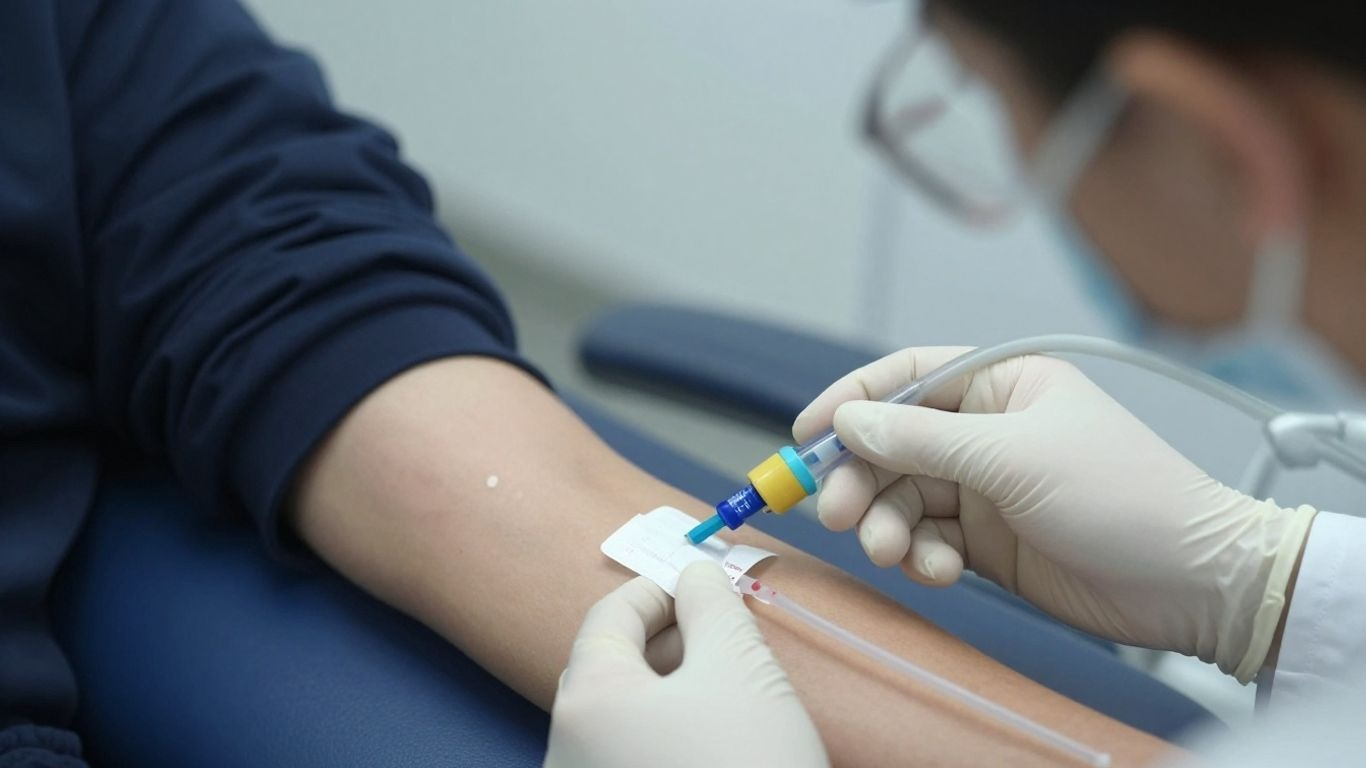
Thinking about a dental visit and feeling a bit nervous? You're not alone. Many people find going to the dentist stressful, whether it's the sounds, the feelings, or just the general anxiety. That's where IV sedation dentistry comes in. It's a way to help you relax and feel more comfortable during your appointment. But what exactly is it, and is it a safe option for everyone? Let's break down what you need to know about IV sedation for your dental needs.
Important Facts to Know
- IV sedation involves getting sedatives through a small IV line, helping you relax deeply during dental work.
- It's generally safe for most patients, but your dentist will check your health history to be sure.
- Unlike general anesthesia, you're usually awake with IV sedation, though you might not remember much.
- Potential risks exist, like breathing or heart rate changes, but a trained dentist monitors you closely to prevent issues.
- Afterward, you'll need someone to drive you home because the medication can make you drowsy.
What Is IV Sedation Dentistry?
So, what exactly is IV sedation dentistry? Basically, it's a way to help you relax big time during dental work. It involves getting sedative medication directly into your bloodstream through a small IV line, usually in your arm or the back of your hand. This means it kicks in pretty fast, which is a big plus if you're feeling anxious. Unlike just numbing your mouth, IV sedation helps calm your whole body and mind. It's a popular choice for people who have a lot of dental anxiety, are facing a long procedure, or have a sensitive gag reflex. The goal is to make the whole experience much more comfortable and less stressful for you.
How does IV sedation work during dental procedures?
When you get IV sedation, a tiny needle is placed in a vein, and through that, medication is slowly given. The drugs used aren't like strong painkillers; they're more about making you feel super relaxed and a bit drowsy. Many people drift off during the procedure, but you're not fully asleep like with general anesthesia. You can still be woken up if needed. Your dentist or an anesthesiologist will keep a close eye on you the whole time, checking your breathing and heart rate to make sure everything is going smoothly. They can adjust the medication as needed.
- Fast-acting: The effects start quickly because the medicine goes straight into your blood.
- Deeper relaxation: It generally provides a more profound sense of calm compared to pills or laughing gas.
- Memory reduction: Many patients don't remember much, if anything, about the procedure afterward.
- Controlled dosage: The amount of medication can be precisely controlled and adjusted by the dental team.
After the procedure, you'll need someone to drive you home because the sedative will still be in your system. You'll likely feel groggy for a while and should take it easy for the rest of the day.
It's pretty common to be a little nervous about needles, but dentists often use a numbing gel first, and the actual pinch is usually very brief. The feeling of being relaxed afterward is usually well worth that quick moment.
Is IV Sedation Oral Surgery Safe for All Patients?
So, is IV sedation oral surgery safety a sure thing for everyone? While it's generally considered very safe, especially when administered by a trained professional, it's not quite a one-size-fits-all situation. Think of it like any medical procedure – there are always a few things to consider to make sure it's the best and safest option for you.
Who Should Avoid IV Sedation at the Dentist?
While many people can benefit from IV sedation, there are certain folks who might need to steer clear or discuss it very carefully with their dentist. It really comes down to your personal health history and any specific conditions you might have.
Here are some situations where you'll want to have a heart-to-heart with your dentist:
- Serious Lung or Heart Issues: If you have significant problems with your lungs or heart, your dentist will need to be extra cautious. Sedation can affect breathing and blood pressure, so these conditions need careful evaluation.
- Allergies to Sedatives: This might seem obvious, but if you've had a bad reaction to sedative medications before, you absolutely need to let your dentist know. They'll want to avoid anything that could cause an allergic response.
- Liver or Kidney Problems: These organs help your body process medications. If they aren't working at full capacity, it can affect how the sedative works and how long it stays in your system.
- Certain Medications: Some drugs can interact with sedatives. It's super important to give your dentist a complete list of everything you're taking, including over-the-counter stuff and supplements.
- Pregnancy: If you are pregnant, IV sedation is usually not recommended due to potential risks to the baby.
It's really about making sure your dentist has the full picture of your health. They'll go over your medical history with a fine-tooth comb, ask a bunch of questions, and might even suggest some tests before giving the green light. This isn't to scare you, but to make sure they can plan the safest approach for your specific needs.
Your dentist's main goal is your comfort and safety. They'll look at all these factors to decide if IV sedation is the right move or if another option might be better suited for you. It’s all part of making your dental visit as smooth and worry-free as possible.
IV Sedation vs General Anesthesia Dental: Key Differences
When you're looking at ways to stay comfortable during a dental procedure, you'll likely hear about IV sedation and general anesthesia. They sound similar, but they're actually pretty different, especially when we're talking about dental work. The main thing to remember is that with IV sedation, you're still technically awake, just very relaxed, while with general anesthesia, you're completely unconscious.
Let's break down what that means:
- IV Sedation: This is a deeper level of sedation than you get with laughing gas or oral pills. A small IV line is placed in your arm, and medication is given directly into your bloodstream. You'll feel super relaxed, maybe even a little sleepy, and you probably won't remember much about the procedure afterward. You can usually respond to your dentist if they ask you to do something, like open your mouth wider. It's great for people with significant dental anxiety or those needing longer procedures.
- General Anesthesia: This is what you'd typically experience for major surgery. You're completely put to sleep and won't be aware of anything happening. A specialized anesthesiologist manages your breathing and vital signs. This is usually reserved for very complex surgeries or for patients who absolutely cannot tolerate any level of consciousness.
Which sedation option is right for your dental procedure?
Deciding between IV sedation and general anesthesia isn't a one-size-fits-all thing. Your dentist will chat with you about a few things to figure out the best fit:
- Your Anxiety Level: Are you a little nervous, or do you have severe dental phobia? IV sedation can handle a wide range, but general anesthesia is for extreme cases where other methods just won't work.
- The Procedure: A simple filling might not need much, but a complex extraction or multiple implants might benefit from deeper sedation. General anesthesia is typically for the most involved surgeries.
- Your Health: Your overall health, including any heart or lung conditions, plays a big role. Your dentist and the anesthesia provider will go over your medical history carefully.
- Your Comfort: Ultimately, what makes you feel most at ease and safe? Talking through the options helps.
Think of it like this: IV sedation is like a really, really good nap where you're still sort of "there" but totally unbothered. General anesthesia is like being in a coma – completely out of it until you wake up.
It's important to have a thorough discussion with your dental team about your specific needs and concerns. They can explain the risks and benefits of each option to help you make the best choice for your oral health.
Dental Sedation Options Explained: From Mild to Deep
When it comes to getting dental work done, especially if you're a bit nervous or the procedure is lengthy, there are several ways to help you relax. These are the main dental sedation options explained, ranging from just taking the edge off to making you feel like you're in a deep sleep.
- Minimal Sedation (Laughing Gas): This is the lightest form. You're awake but feel pretty relaxed, almost like you're floating. It's inhaled through a small mask over your nose and works super fast. The best part? You can usually drive yourself home afterward because it wears off quickly.
- Moderate Sedation (Oral Sedation): This usually involves taking a pill, like Valium or Halcion, about an hour before your appointment. You'll feel drowsy, and might even doze off during the procedure, but you can still be woken up easily. You'll definitely need someone to drive you home.
- Deep Sedation/IV Sedation: This is the most profound level of sedation you can get outside of general anesthesia. Medications are given through an IV, directly into your vein. You'll be in a very relaxed state, likely asleep, and won't remember much, if anything, about the procedure. This is often used for longer or more complex treatments, or for patients with significant dental anxiety. You absolutely need a ride home and someone to look after you for a bit afterward.
Choosing the right level of sedation is a conversation you'll have with your dentist. They'll consider your anxiety level, the type of procedure, your health history, and what you're most comfortable with. It's all about making your dental visit as stress-free as possible.
What Is Conscious Sedation in Oral Surgery?
So, you've heard about conscious sedation oral surgery, and maybe you're wondering what that actually means. Basically, it's a way to help you relax and feel more comfortable during dental work, especially if you're a bit nervous or facing a longer procedure. With conscious sedation, you're technically awake, but you're in a super relaxed state and probably won't remember much about what happened. Think of it like a really deep nap where you can still respond if the dentist needs you to, but without all the stress and discomfort.
How will you feel during and after conscious sedation?
During the procedure, the main goal is for you to feel calm and at ease. You might feel a little drowsy, and that's totally normal. Some people even drift off to sleep for a bit, which is fine by the dentist – they'll just gently wake you if they need you to move or open your mouth wider. You won't feel pain, and your gag reflex should be pretty much gone. It's like your worries just melt away.
Afterwards, you'll likely feel a bit groggy, kind of like waking up from a really good sleep. You won't remember the details of the procedure, which is a big plus for many people. It's really important that you have someone drive you home because you shouldn't be operating a vehicle or making any big decisions for the rest of the day. Your dentist will give you specific instructions on what to do as you recover, but generally, you'll want to take it easy.
- During: Feeling relaxed, drowsy, possibly sleepy. No pain or anxiety.
- Response: You can still respond to your dentist if needed.
- Memory: You likely won't remember the procedure.
- After: Feeling groggy, needing a ride home, and taking it easy.
Conscious sedation is a fantastic tool for making dental visits much more manageable. It helps take the edge off for those who need it, making complex or lengthy procedures feel like a breeze. The key is that you're still aware enough to cooperate, but relaxed enough not to be bothered by any of it.
- People with dental anxiety or phobias.
- Individuals with a strong gag reflex.
- Patients undergoing longer or more complex procedures, like certain types of oral surgery.
- Those who simply prefer to be more comfortable and relaxed during their appointment.
So, Is IV Sedation the Right Choice for You?
Alright, so we've talked a lot about IV sedation. It seems like a pretty solid option if you're really nervous about the dentist or have a big procedure coming up. It's generally safe when a trained pro is doing it, and it can make a world of difference in how you feel during and after your appointment. Just remember to chat with your dentist about your health history and any worries you have. They're the ones who can tell you if it's a good fit for your specific situation. Don't be shy about asking questions – that's what they're there for!
Frequently Asked Questions
What exactly is IV sedation dentistry?
IV sedation dentistry is a way to help you relax deeply during dental work. A special medicine is given through a small tube, like a tiny straw, put into a vein in your arm or hand. This medicine helps you feel calm and sleepy, making it easier to go through your dental appointment without feeling stressed or anxious. You'll still be awake enough to respond if needed, but you probably won't remember much afterward.
How does IV sedation help during a dental visit?
The medicine given through the IV works quickly to make you feel very relaxed and a bit drowsy. It can also help reduce your natural urge to gag, which is common during dental procedures. For many people, it makes longer or more complex treatments much more comfortable. It's like taking a nap while the dentist takes care of your teeth.
Is IV sedation safe for everyone?
While IV sedation is generally safe for most adults, it's not for everyone. Your dentist will talk to you about your health history, any medicines you take, and any allergies you have. This helps them decide if IV sedation is the best and safest choice for you. People with certain health issues might need a different approach.
What are the main differences between IV sedation and general anesthesia?
With IV sedation, you're mostly asleep but can be woken up if necessary, and you usually don't remember the procedure. General anesthesia means you are completely unconscious and unaware, similar to being put to sleep for major surgery. Your dentist will choose the best option based on how anxious you are and the type of dental work you need.
What should I expect after IV sedation?
After your dental work is done, the medicine will be stopped, and you'll start to feel more awake. However, you'll need someone to drive you home because you might still feel a little groggy. It's important to rest and follow your dentist's instructions for the rest of the day to recover smoothly.
What if I'm scared of needles, but need IV sedation?
It's understandable to be nervous about needles! If you're afraid, your dentist can take steps to make it easier. They might use a numbing cream or spray on your skin before the IV is placed, or offer other relaxation methods like laughing gas to help you feel calmer. Most people find that the needle prick is very brief and not too uncomfortable.
Blog Post Author

Contributed by DentalROI
DentalROI provides relevant dental content to help providers educate patients. The statements, services, and products referenced in this article have not been evaluated by the Food and Drug Administration, and they are not intended as a substitute for professional medical advice, diagnosis, or treatment. Always seek the advice of your dental provider with any questions or issues you may have. Specific recommendations may vary in different circumstances, so individual consultation is important.