

 CALL THE LOCATION NEAREST YOU
What Are the Long-Term Effects of Missing Multiple Teeth?
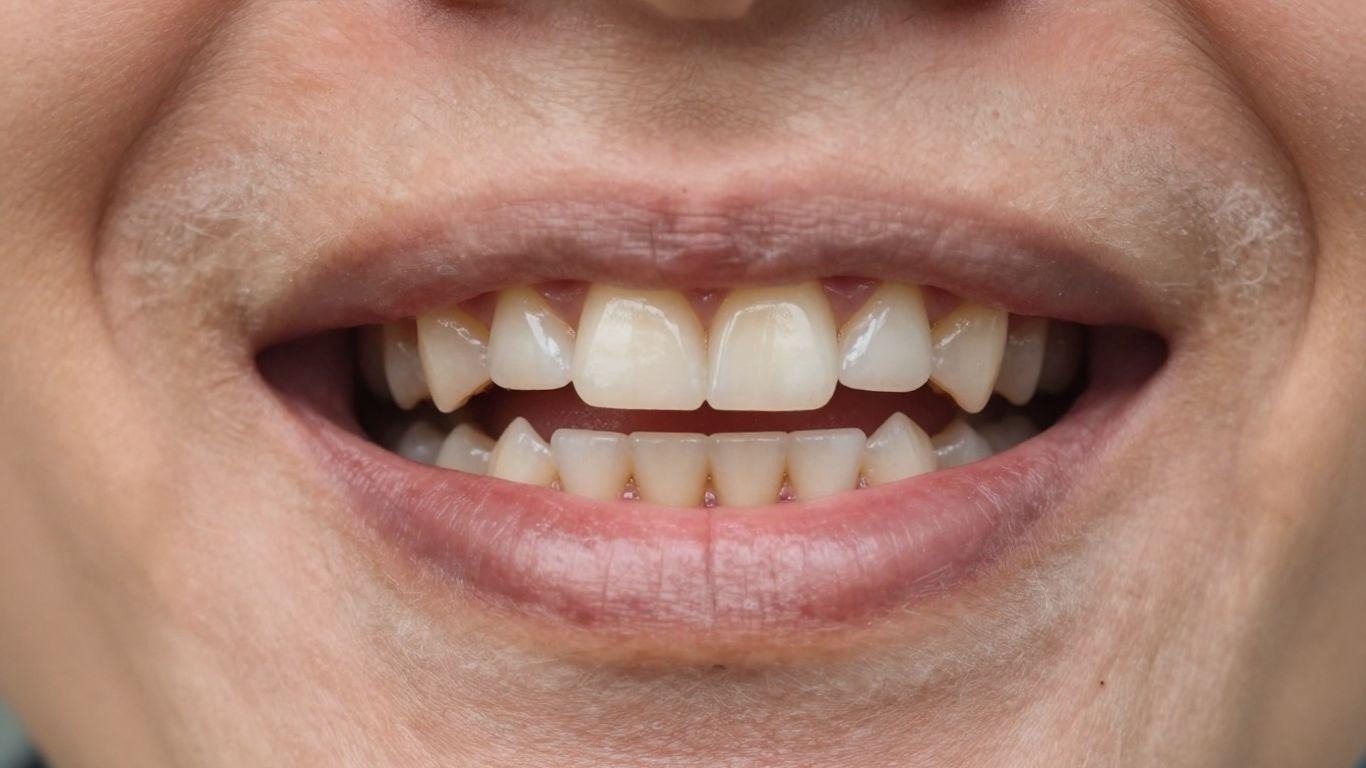
Losing several teeth might not seem like a big deal at first, especially if they're way in the back where no one sees. But those empty spaces end up causing some problems you probably won't expect. The long term effects of missing multiple teeth reach beyond how your smile looks—they mess with your oral health, your face shape, and even how you eat and feel.
Here are some key consequences of multiple missing teeth long term:
- Shifting Teeth: The teeth next to the gaps start drifting or rolling into the open spaces, messing up your bite.
- Bone Loss: Without roots to stimulate your jaw, the bone beneath the missing teeth starts shrinking over time.
- Chewing Trouble: You might find yourself avoiding certain foods or only chewing on one side, which can actually make digestion harder.
- Speech Difficulties: Missing teeth can affect how you pronounce some sounds.
- Face Changes: Lost teeth and bone can make the lower third of your face look sunken or older.
- Emotional Effects: Believe it or not, a gap in your teeth can knock your confidence and make you smile less in photos.
Here’s a quick look at some of the most common losing several teeth health effects:
| Effect | Short-Term Impact | Long-Term Impact |
|---|---|---|
| Bone loss | Little to none | Jaw shrinkage, face changes |
| Shifting teeth | Subtle, starts slowly | Bite chaos, crooked smiles |
| Chewing changes | May not notice | Poor nutrition, gut issues |
| Speech changes | Possible lisp with front teeth | Ongoing speech struggles |
| Confidence drop | May feel awkward | Social withdrawal, less smiling |
How soon do long-term effects begin after losing teeth?
It's easy to think, "I'll get the tooth replaced later," but these issues can start way sooner than you think:
- Shifting of nearby teeth may begin within a few months.
- Bone loss can start six months after losing a tooth.
- Eating habits shift because chewing often feels off almost right away.
People often put off getting dental work because they don’t see the consequences right away—but by the time the problems show up, fixing them is a much bigger headache.
Even if you can't see the effects now, missing teeth often snowball into more serious problems before you know it. Replacing them early stops the chain reaction and keeps things easier (and less expensive) in the long run.
What Happens When You Lose Multiple Teeth Over Time?
So, you've lost a few teeth, huh? It might not seem like a big deal at first, especially if they're way in the back. But let me tell you, what happens when you lose multiple teeth over time is more than just a gap in your smile. It's like a row of dominoes – one missing tooth can start a whole chain reaction.
First off, your jawbone starts to get a little lonely. See, your teeth's roots are like little anchors that keep the bone stimulated every time you chew. When a tooth is gone, that stimulation stops, and the bone in that spot starts to shrink. This isn't something that takes decades; it can actually begin within months of losing a tooth. This bone loss can change the shape of your face, making you look a bit sunken in, and it makes any future plans for implants or bridges way more complicated.
Then there's the domino effect on your other teeth. They're all used to leaning on each other for support. When a space opens up, the teeth next to it start to drift or tilt into that gap. The tooth on the opposite jaw might even start to grow longer, trying to reach the empty space – we call that 'super-eruption.' This can mess up your bite, making it uneven, and can even lead to jaw pain or issues with your jaw joint.
Here's a quick rundown of what can go wrong:
- Shifting Teeth: Neighboring teeth move into the empty space.
- Super-eruption: The tooth above or below the gap grows too long.
- Bite Problems: Your bite becomes uneven, causing strain.
- Jawbone Shrinkage: The bone under the missing tooth starts to deteriorate.
- Facial Changes: Your face can lose its natural shape over time.
And it doesn't stop there. Those gaps can become little hiding spots for food and bacteria, making it easier for gum disease and cavities to pop up on your remaining teeth. It’s a bit of a vicious cycle, honestly. Plus, chewing can become a real chore, and you might find yourself avoiding certain foods, which can impact your nutrition. It's a lot to think about, right?
How Missing Teeth Affect Jaw Bone Over Time
So, you've lost a tooth, or maybe a few. It might not seem like a big deal right away, especially if it's a back tooth you don't see. But here's the thing: your jawbone needs your teeth. Think of your teeth like little anchors holding everything in place. When a tooth is gone, that spot on your jawbone doesn't get the usual workout it used to. Chewing and biting send signals to your jawbone, telling it to stay strong. Without those signals, the bone starts to break down. This process is called resorption, and it doesn't take years to start – it can begin within months of losing a tooth.
Can jaw bone loss from missing teeth be reversed?
Unfortunately, once that jawbone starts to shrink, it's pretty tough to get it back to its original state. It's like trying to un-shrink a sweater that went through the dryer – not really possible. This bone loss can lead to a few other issues:
- Facial Changes: The part of your face below your nose can start to look a bit sunken. Your lips might even appear thinner, and you might notice sagging around your mouth. It can make you look older than you are.
- Shifting Teeth: The teeth next to the gap? They'll start to drift or tilt into that empty space. This can mess up your bite and put extra stress on those surrounding teeth.
- Complicated Replacements: If you decide later to get implants or bridges, the lack of bone can make the process much harder and more expensive. You might need bone grafts to build up the area first.
The jawbone is designed to support teeth. When teeth are no longer there to stimulate it, the body essentially reabsorbs the bone material because it's no longer seen as necessary. This is a natural biological process, but it has significant consequences for your oral health and facial structure.
So, while you can't magically regrow the lost bone without intervention, taking steps to replace missing teeth, especially with options like dental implants that stimulate the bone, can help prevent further loss and maintain what's left. It's all about keeping that jawbone active and supported.
Consequences of Multiple Missing Teeth on Your Face and Bite
Losing a tooth, or several, isn't just about a gap in your smile. It actually starts to mess with how your whole mouth works, and even how your face looks. It’s like a row of dominoes – once one falls, the others are next.
How do missing teeth change the way your remaining teeth sit?
When you lose a tooth, the teeth next to the gap don't just stay put. They start to lean or drift into that empty space. Think of it like a bookshelf with a missing book – the ones next to it might slide over. This drifting can make your bite feel off. It’s not just the teeth next to the gap, either. The tooth directly opposite the missing one can start to grow longer, moving down or up into the space. This is called "supra-eruption," and it can cause problems with how your teeth meet when you chew.
- Drifting: Adjacent teeth move into the empty space.
- Supra-eruption: The opposing tooth moves into the gap.
- Bite Misalignment: This shifting throws off how your upper and lower teeth fit together.
Over time, this can lead to uneven wear on your remaining teeth, jaw pain, and even headaches because your bite is no longer balanced. It's a chain reaction that starts with just one missing tooth.
The domino effect of missing teeth is real. What starts as a small gap can lead to significant changes in your bite and the alignment of your entire smile. It's not just about looks; it's about function too.
This misalignment can also make it harder to clean your teeth properly, increasing the risk of cavities and gum disease in those crowded or shifted areas. And if you're missing back teeth, chewing becomes a real challenge. You might find yourself avoiding certain foods or having to chew them much longer, which can affect digestion and your overall nutrition. It really changes how you eat and can even impact your confidence when you're out and about.
Losing Several Teeth Health Effects — Why Treatment Should Not Wait
Okay, so you've lost a tooth, or maybe a few. It's easy to think, 'Eh, it's just one tooth, no biggie,' especially if it's way in the back. But honestly, letting that gap hang around is like ignoring a small crack in your windshield – it just gets worse.
Think about it: your teeth are a team. When one player is out, the others start to shift, trying to fill the void. This can mess up your whole bite, leading to jaw pain or even TMJ issues down the line. Plus, those empty spaces? They become little food traps, making it easier for gum disease and cavities to set up shop in your remaining teeth. It's a whole domino effect, and nobody wants that.
And it's not just about your mouth. When your jawbone doesn't get the stimulation from chewing that it used to, it starts to shrink. This can actually change the shape of your face, making you look older than you are, with sunken cheeks and thinner lips. It sounds dramatic, but it's true.
Here's the lowdown on why you shouldn't wait:
- Jawbone Loss: This starts happening pretty quickly, within months, not years. The bone just starts to resorb because it's not being used.
- Shifting Teeth: Your other teeth will drift into the empty space, causing crookedness and bite problems.
- Chewing Difficulties: You might not even notice it at first, but your ability to chew properly decreases, which can affect digestion and what foods you can comfortably eat.
- Facial Changes: Over time, the lack of bone support can lead to a collapsed facial structure.
Ignoring missing teeth isn't just about aesthetics; it's a health issue that can snowball into more complex and costly problems if left untreated. Addressing it sooner rather than later is key to maintaining your overall oral health and even your facial structure.
So, while it might seem like a minor inconvenience now, letting those gaps linger can lead to a cascade of problems. Getting it checked out and figuring out a replacement plan is way better than dealing with the fallout later.
Conclusion
So, losing a few teeth might not seem like a big deal at first, but the truth is, it can lead to a bunch of problems down the road. Your jawbone can shrink, your face might look different, and chewing or even speaking can get tricky. Even your other teeth can move around in weird ways. The longer you wait to fix missing teeth, the harder it can be to treat. If you’re missing teeth, talk to your dentist soon. Taking care of it now can save you a lot of trouble later.
Frequently Asked Questions
How fast do problems start after losing teeth?
You might notice changes in just a few months. Teeth can start to move, and your jawbone may begin to shrink not long after a tooth is lost.
Can missing teeth make it hard to eat?
Yes, chewing gets tougher. You might avoid certain foods, which can make it harder to get the right nutrition.
Will my other teeth move if I lose several teeth?
Definitely. The teeth next to the gap can drift or tip into the empty space, and the teeth above or below can move down or up.
Can missing teeth change my face?
Yes. Over time, your cheeks and lips may look sunken or older because your jawbone isn’t being used like before.
Is bone loss from missing teeth permanent?
Once bone is lost, it’s hard to get it back. Some treatments can help, but it’s much easier to keep the bone healthy by replacing missing teeth early.
Does losing teeth affect my health outside my mouth?
It can. Missing teeth can make it harder to eat healthy foods, which can affect your whole body. There's also a higher risk for gum disease, which has been linked to other health problems.
Blog Post Author

Contributed by DentalROI
DentalROI provides relevant dental content to help providers educate patients. The statements, services, and products referenced in this article have not been evaluated by the Food and Drug Administration, and they are not intended as a substitute for professional medical advice, diagnosis, or treatment. Always seek the advice of your dental provider with any questions or issues you may have. Specific recommendations may vary in different circumstances, so individual consultation is important.