
 CALL THE LOCATION NEAREST YOU
Signs of Infection After a Tooth Extraction (And What to Do)
Undergoing a tooth extraction is a standard procedure, but the recovery period requires careful attention to your mouth's healing process. While most patients recover without complications, it's important to stay vigilant for any warning signs that might indicate your body is struggling to heal properly. The team at Oral Surgeons, P.C. in Des Moines helps patients recognize these changes early so they can tell routine post-operative soreness apart from a genuine medical concern.
Infected Extraction Site Symptoms You Shouldn't Ignore
The symptoms of an infection are often cumulative and persistent, unlike the typical fading ache that accompanies normal healing. Use the table below to gauge the severity of your symptoms and understand when to reach out for professional help.
| Observation Factor | Normal Range | Potential Infection Indicator |
|---|---|---|
| Pain Level | Gradual decrease | Progressive increase |
| Swelling | Subsides after 48h | Spreads after 72h |
| Site Appearance | Slight redness | Foul pus/drainage |
If you find yourself experiencing worsening pain that doesn't respond to common over-the-counter medication, monitor your situation closely. Pain that intensifies several days after the procedure is often one of the first reliable indicators that bacteria have nested in the socket.
Tooth Extraction Infection vs. Normal Healing: How to Tell the Difference
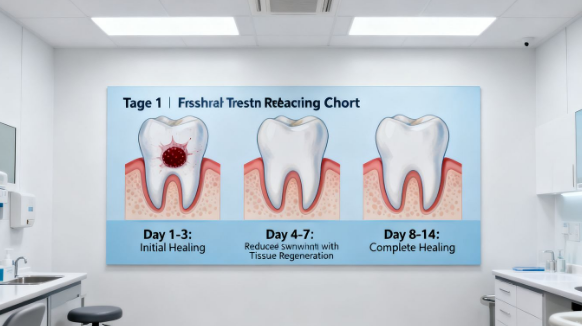
It's entirely normal to feel some level of discomfort for a few days after having a tooth removed. The body is performing complex tissue repair, which naturally involves inflammation and mild sensitivity in the jaw and surrounding gum tissues. Distinguishing these stages helps you avoid unnecessary panic during recovery.
How to Tell If Your Extraction Site Is Infected at Home
You can perform a simple assessment at home by observing the trends and physical attributes of the wound site over the first few days. While comfort levels fluctuate, make it a priority to track these specific markers to see if your progress deviates from the expected healing path:
- A fever reading over 100.4 degrees Fahrenheit.
- Persistent foul taste or smell coming directly from the site.
- Lymph nodes under the jaw feeling tender or swollen.
- Inability to open your mouth fully or swallow comfortably.
When these markers are present, it's clear your immune system is working harder than it should for simple tissue repair. A lingering sour, metallic taste suggests bacterial activity within the socket, which requires clinical evaluation to prevent it from spreading further.
What to Do If You Suspect an Infection
When you suspect your healing has been disrupted by an infection, taking immediate action is the best way to safeguard your long-term oral health. You don't need to wait for business hours if you're experiencing severe, escalating symptoms like high fever or difficulty breathing, as these warrant urgent care. Calmly assessing your symptoms and documenting their progression will give your dental team the information they need to help you efficiently. Our tooth extraction instructions outline exactly what normal recovery should look like.
When to Call Your Oral Surgeon Right Away
Contacting your surgeon quickly ensures you receive targeted clinical guidance when standard hygiene practices are no longer effective. Your surgeon can determine if your situation requires antibiotic intervention or a localized cleaning of the socket. Do not hesitate to report any sudden onset of numbness or tingling in your face or jaw, as these neuro-sensory disturbances can signal that the underlying infection is putting pressure on nearby nerve structures. You can reach us through our contact page.
How Infections After Extraction Are Treated
Managing an infection typically involves a professional cleaning of the area, combined with a course of antibiotics to clear the stubborn bacterial load. According to MouthHealthy, the American Dental Association's patient resource, an untreated dental infection can spread and become serious, which is why prompt professional treatment matters. Your surgeon might also suggest specialized rinses or localized irrigation tools that help remove debris from deep areas of the socket you cannot reach by brushing.
Preventing Infection During Your Recovery
Maintaining strict adherence to your post-operative instructions significantly lowers the likelihood of developing complications like dry socket or deeper bacterial infections. You build the conditions for success by keeping your mouth clean and protecting the clot that forms in the extraction site. Consistently avoiding high-impact activities and following your diet guidelines creates a protected environment where your gum tissue can knit back together without interference.
Conclusion
Recovering from a tooth extraction requires patience and a watchful eye for any irregularities in your healing timeline. By staying informed about the typical progression of pain and swelling, you can distinguish between normal discomfort and the warning signs of infection. If you ever feel concerned about your recovery, reach out to our team promptly to stay on the safest path toward healing.
Frequently Asked Questions
Can I use a mouthwash to clean my extraction site?
You should generally avoid strong or alcohol-based mouthwashes during the first few days, as these can irritate the delicate clot and delay recovery.
Why does my breath smell bad after an extraction?
A lingering sour taste or odor is common, but it can also signal trapped food particles or a localized infection that requires professional drainage.
Is it normal to have a fever after surgery?
A slight rise in temperature can happen, but anything exceeding 100.4 degrees Fahrenheit is a potential indicator of a significant infection that needs immediate attention.
How long should I avoid spicy foods?
Stick to soft, cool, bland foods for at least the first three to five days to avoid stinging or irritating the healing socket.
Can smoking cause an infection after a tooth is pulled?
Smoking is strongly discouraged because it constricts blood flow to your gums and can dislodge the protective clot, which directly increases infection rates.
About the Author
Oral Surgeons, P.C. is a board-certified oral and maxillofacial surgery group serving Des Moines, Ankeny, and Clive, Iowa, with surgeons including Dr. Scott Johnson, DDS, MD, Dr. John Janulewicz, DDS, MD, and Dr. Ryan Marsh, DDS, among others. The practice performs a full scope of oral surgery, from tooth and wisdom tooth extractions to dental implants and bone grafting, with a strong emphasis on post-operative care and patient education.
Medical Disclaimer
The information provided in this article is for educational purposes only and does not constitute professional medical, dental, or surgical advice, diagnosis, or treatment. If you suspect a post-surgical infection, contact your provider promptly. Always seek the advice of your dentist, oral surgeon, or other qualified health provider with any questions you may have regarding a medical condition or treatment. Never disregard professional medical advice or delay in seeking it because of something you have read here.
Blog Post Author

Contributed by DentalROI
DentalROI provides relevant dental content to help providers educate patients. The statements, services, and products referenced in this article have not been evaluated by the Food and Drug Administration, and they are not intended as a substitute for professional medical advice, diagnosis, or treatment. Always seek the advice of your dental provider with any questions or issues you may have. Specific recommendations may vary in different circumstances, so individual consultation is important.