

 CALL THE LOCATION NEAREST YOU
Signs You May Need Your Wisdom Teeth Removed
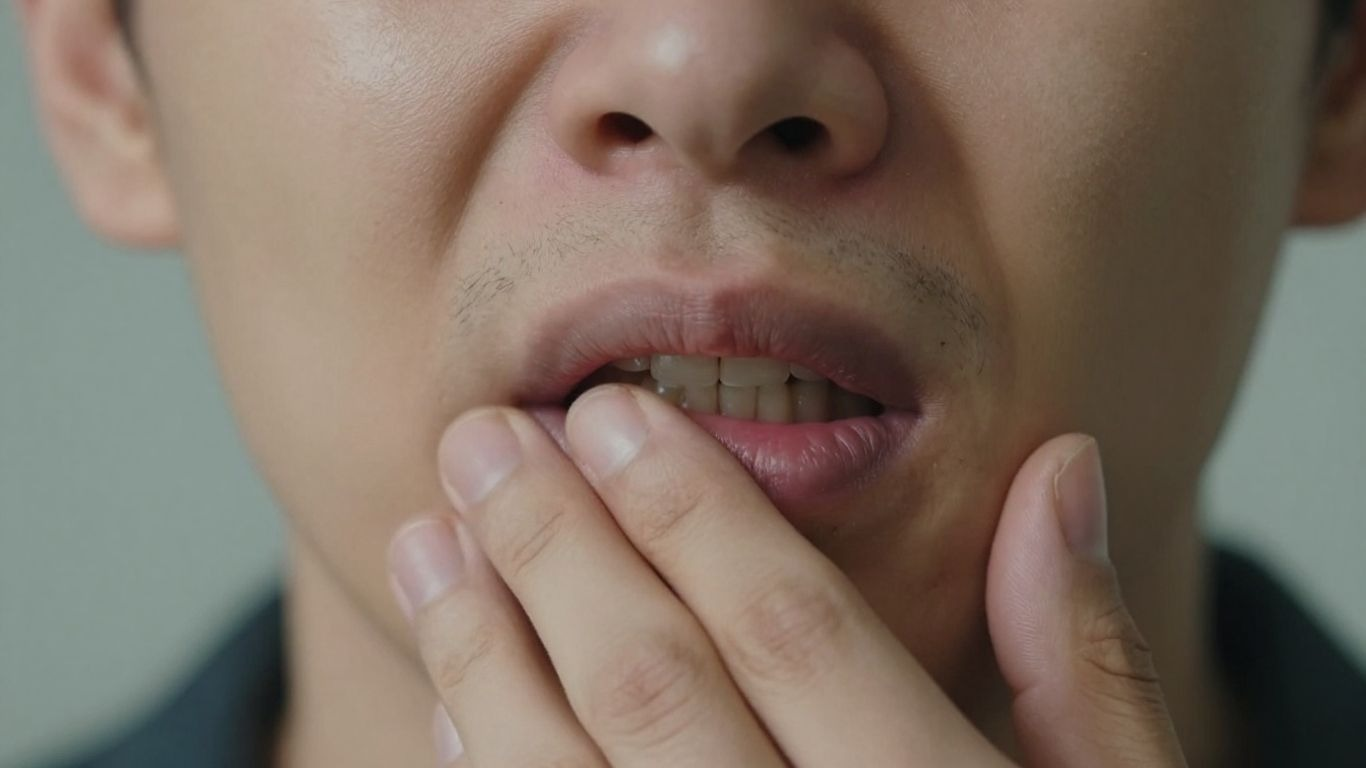
So, you're wondering if those pesky back teeth, your wisdom teeth, are causing trouble. It's pretty common for them to pop up in your late teens or early twenties, and for some folks, they just don't play nice. They can cause a whole bunch of issues, from a dull ache to more serious problems. If you've been feeling off about your mouth lately, here are some signs you may need your wisdom teeth removed.
Things You Should Know
- Persistent pain or discomfort in the back of your mouth could mean your wisdom teeth are trying to emerge improperly.
- Swollen, red, or tender gums around your back molars might signal an infection or irritation caused by wisdom teeth.
- Headaches or jaw stiffness can sometimes be linked to the pressure or crowding from wisdom teeth.
- Difficulty eating or a feeling of your mouth being too crowded might point to impacted wisdom teeth.
- Recurring infections or persistent bad breath could be a sign that your wisdom teeth are creating pockets for bacteria.
Signs You May Need Your Wisdom Teeth Removed
So, how do you know if wisdom teeth need to come out? It's a question many people ponder, especially when they hit their late teens or early twenties. These aren't your everyday molars; they're the last ones to show up, and sometimes, they just don't play nice with the rest of your mouth.
How do you know if wisdom teeth need to come out?
Figuring out if your wisdom teeth are causing trouble isn't always obvious, but there are definitely some common signs to watch out for. Ignoring them can lead to bigger problems down the road, so it's good to be aware.
- Pain or Discomfort in the Back of Your Mouth: This is probably the most common clue. If you're feeling a persistent ache, throbbing, or general soreness way in the back where your wisdom teeth should be, it's a big hint. This pain can pop up suddenly or be a dull, nagging feeling that just won't quit.
- Swollen or Red Gums: When wisdom teeth try to push through, they can irritate the surrounding gum tissue. You might notice the gums in that area look puffy, feel tender to the touch, or even bleed a little when you brush. Sometimes, a little flap of gum can even grow over the tooth, trapping food and leading to more swelling and pain.
- Jaw Pain or Stiffness: Believe it or not, your wisdom teeth can affect your whole jaw. If they're growing in at an odd angle or pushing against other teeth, it can throw off your bite and cause your jaw muscles to feel tight or sore. You might even notice it's harder to open your mouth wide or chew comfortably.
- Headaches: This one might seem a bit random, but headaches can definitely be linked to wisdom teeth issues. The pressure from erupting or impacted wisdom teeth can radiate up to your jaw and temples, triggering tension headaches. If your headaches seem to start around your jaw or ears, it's worth considering your wisdom teeth as a possible cause.
If you're experiencing any of these symptoms, especially persistent pain or swelling, it's a good idea to get them checked out by your dentist. They can take a look, maybe get some X-rays, and tell you for sure what's going on back there.
Common Wisdom Teeth Removal Symptoms to Watch For
So, how do you know if those pesky wisdom teeth are causing trouble? It's not always a dramatic event, but there are definitely some signs your mouth might be sending you. Paying attention to these wisdom teeth removal symptoms can save you a lot of hassle down the road.
Is pain always a sign that wisdom teeth need extraction?
Pain is probably the most obvious clue. If you're feeling a dull ache or sharp twinges in the very back of your mouth, especially when you chew or open wide, that's a big red flag. This discomfort often happens when the wisdom teeth are trying to push through the gums but don't have enough space, or they're coming in at a weird angle. Sometimes, this pain can feel like a constant pressure that just won't quit. It might start out mild, but if those teeth are impacted, the pain can really ramp up.
- Persistent ache or sharp pain in the back molars.
- Swollen, red, or tender gums around the wisdom teeth area.
- Difficulty opening your mouth wide or feeling stiffness in your jaw.
- Headaches or earaches that seem to come out of nowhere.
- Bad breath or a bad taste in your mouth that doesn't go away with brushing.
Sometimes, wisdom teeth can cause problems without you even realizing it. They might be growing in sideways, pushing against other teeth, or even starting to decay because they're so hard to clean. If you're experiencing any of these issues, it's worth getting them checked out.
It's not just about the pain, though. You might notice your gums getting puffy and sore, or even bleeding a bit when you brush. This can be a sign of infection, especially if the wisdom teeth are only partially erupted, creating a little trap for food and bacteria. This condition is sometimes called pericoronitis, and it's definitely not fun. You might also find yourself getting headaches or feeling like your jaw is just stiff, particularly when you wake up. This can happen because the wisdom teeth are putting pressure on your jawbone or the nerves nearby. If you're having trouble eating because it hurts or your mouth feels too crowded, that's another sign that your wisdom teeth might be the culprit.
Impacted Wisdom Tooth Signs You Should Never Ignore
Sometimes, your wisdom teeth just don't have enough room to come in straight. They can get stuck, or 'impacted,' beneath your gums. This isn't just a minor inconvenience; it can lead to some pretty uncomfortable and even serious problems. Paying attention to these impacted wisdom tooth signs is super important for your oral health.
What does an impacted wisdom tooth feel like?
An impacted wisdom tooth can make its presence known in a few ways. You might feel a dull ache or sharp pain right at the back of your mouth. It's not just the tooth itself; the pressure can make your jaw feel stiff or sore, especially when you wake up. Sometimes, this pressure can even trigger headaches that seem to come out of nowhere.
- Pain or Tenderness: A persistent ache or sharp pain in your gums or jaw where the wisdom teeth should be.
- Swollen Gums: The gum tissue around the wisdom tooth might look red, puffy, and feel tender to the touch. This can happen if the tooth is trying to push through but can't.
- Difficulty Opening Your Mouth: Jaw stiffness or pain that makes it hard to open your mouth wide, like when you're yawning or chewing.
- Bad Breath or Taste: If food gets trapped around a partially erupted wisdom tooth, it can lead to bacteria buildup and a foul smell or taste.
- Headaches or Jaw Pain: Pressure from an impacted tooth can radiate, causing tension headaches or general jaw discomfort.
If you notice any of these signs, especially persistent pain or swelling, it's a good idea to get it checked out by your dentist. They can take a look, maybe get an X-ray, and figure out what's going on.
In some cases, an impacted wisdom tooth can cause more than just pain. It can lead to cysts, which are fluid-filled sacs that can damage the bone and surrounding teeth. Infections can also pop up if bacteria get trapped. These issues need prompt attention to prevent further complications.
When to Get Wisdom Teeth Extracted — Don't Wait Too Long
So, you're wondering about when to get wisdom teeth extracted? It's a common question, and honestly, it's better to be proactive than to wait until you're in serious pain. Think of your wisdom teeth as the last guests to arrive at the party in your mouth. Sometimes they show up and fit right in, but other times, they cause all sorts of trouble.
At What Age Should Wisdom Teeth Be Removed?
There's no single magic age when everyone must have their wisdom teeth out. Most dentists recommend checking on them in your late teens or early twenties. This is usually when they start to make their appearance, or at least try to. Waiting too long can mean dealing with problems that have already started. It’s like ignoring a small leak in your roof; it usually just gets worse.
- Impaction: This is a big one. If your wisdom teeth don't have enough room to come in straight, they can get stuck under the gum or push against other teeth. This can lead to pain, swelling, and even damage to your other teeth.
- Pain and Swelling: Persistent aches in the back of your jaw, tender gums, or swelling are pretty clear signals that something's up. Your wisdom teeth might be trying to erupt, and it's not going smoothly.
- Infection: When wisdom teeth only partially emerge, they create little nooks where food and bacteria can hide. This can lead to nasty infections, bad breath, and a generally unpleasant feeling in your mouth.
- Cysts: In some cases, a fluid-filled sac called a cyst can form around an impacted wisdom tooth. These can damage the jawbone and nearby teeth if left untreated.
It's really about listening to your mouth. If you're feeling discomfort, seeing swelling, or your dentist spots an issue on an X-ray, it's usually best to address it. Early intervention often means a simpler procedure and a smoother recovery.
Don't put off that dental check-up if you suspect your wisdom teeth are causing trouble. Getting them evaluated is the first step to avoiding bigger headaches down the road.
What Happens If You Delay Wisdom Tooth Removal?
So, you've been putting off that dentist appointment, thinking those little aches in the back of your mouth will just sort themselves out. Big mistake. Ignoring your wisdom teeth can lead to a whole heap of problems down the road, and trust me, they're not fun.
When wisdom teeth don't have enough room to come in straight, they can get stuck under your gums, which we call being impacted. This is where the real trouble starts. These stuck teeth can push against your other teeth, messing up your bite and causing a domino effect of dental issues. Plus, they create little hiding spots for bacteria, making infections super likely. Think swollen gums, throbbing pain, and even cysts forming.
- Persistent Pain and Swelling: That dull ache can turn into sharp, unbearable pain. Your gums might get red, puffy, and even bleed easily.
- Infections (Pericoronitis): When food and bacteria get trapped around a partially erupted wisdom tooth, it can lead to a nasty infection. This can cause severe pain, swelling, and sometimes even make it hard to open your mouth.
- Damage to Other Teeth: Impacted wisdom teeth can push against your second molars, causing decay or even damaging the roots of those healthy teeth.
- Cysts and Tumors: In rare cases, a fluid-filled sac (cyst) can form around an impacted wisdom tooth. If left untreated, these can damage the jawbone and surrounding nerves. Even rarer, they can develop into tumors.
- Jaw Pain and Headaches: The pressure from erupting or impacted wisdom teeth can radiate, causing stiffness in your jaw, difficulty chewing, and even tension headaches.
Ignoring wisdom teeth issues isn't just about discomfort; it's about preventing more serious, long-term damage to your oral health. What starts as a minor annoyance can escalate into complex dental problems requiring more extensive treatment.
Basically, those wisdom teeth are trying to tell you something. Listening to your body and getting them checked out sooner rather than later can save you a lot of pain, money, and hassle in the long run. Don't wait for a full-blown dental emergency to take action.
So, What's the Verdict?
Look, nobody wants to deal with dental drama, but if you've been nodding along to any of these signs, it's probably time to chat with your dentist. Ignoring that ache in the back of your mouth or those weird headaches might just lead to bigger problems down the road. Think of it like this: getting your wisdom teeth checked out now could save you a whole lot of pain and hassle later. It’s better to be safe than sorry when it comes to your smile, right? So, book that appointment and get some peace of mind. Contact Oral Surgeons PC today to determine whether wisdom tooth removal is the right solution for your oral health needs.
Frequently Asked Questions
How can I tell if my wisdom teeth need to be taken out?
You might need to get your wisdom teeth removed if you feel pain in the back of your mouth, your gums are sore or puffy, or you're getting headaches that seem to start from your jaw. Sometimes, your jaw might feel stiff, or it could be hard to open your mouth all the way. If you notice your other teeth are getting crooked, or if you keep getting infections in your gums, it's a good idea to see a dentist.
Does pain always mean my wisdom teeth need to be pulled?
Pain is a big clue, but not the only one. If you have pain in the back of your mouth, it could be your wisdom teeth trying to push through. However, pain can also come from other dental issues. It's best to have a dentist check the pain to be sure it's from your wisdom teeth and to decide if removal is the best plan.
What does it feel like when a wisdom tooth is stuck (impacted)?
When a wisdom tooth is impacted, it means it doesn't have enough room to come out properly. You might feel a dull ache or sharp pain in your gums or jaw. The area can get swollen and tender, making it hard to chew. Sometimes, you might even notice a bad taste or smell because food and bacteria get trapped around the stuck tooth.
When is the right time to get wisdom teeth removed?
Many people get their wisdom teeth removed in their late teens or early twenties, which is usually when they start to come in. It's a good idea to get them checked by a dentist around age 16 to 18, even if they don't hurt. This way, your dentist can see if they are likely to cause problems later on, like getting stuck or pushing other teeth.
What happens if I wait too long to get my wisdom teeth removed?
Waiting too long can lead to bigger problems. Impacted wisdom teeth can cause serious pain, swelling, and infections. They can also damage nearby teeth, lead to cysts (sacs filled with fluid) that can harm your jawbone, or even make your other teeth crooked. Getting them removed sooner rather than later can prevent these issues.
Can wisdom teeth cause headaches or jaw problems?
Yes, they absolutely can! When wisdom teeth push against other teeth or grow at an angle, they can put pressure on your jaw. This pressure can travel up and cause tension headaches or make your jaw feel stiff and sore, especially when you wake up.
Blog Post Author

Contributed by DentalROI
DentalROI provides relevant dental content to help providers educate patients. The statements, services, and products referenced in this article have not been evaluated by the Food and Drug Administration, and they are not intended as a substitute for professional medical advice, diagnosis, or treatment. Always seek the advice of your dental provider with any questions or issues you may have. Specific recommendations may vary in different circumstances, so individual consultation is important.