

 CALL THE LOCATION NEAREST YOU
Impacted Canine Teeth: What They Are and How They're Treated
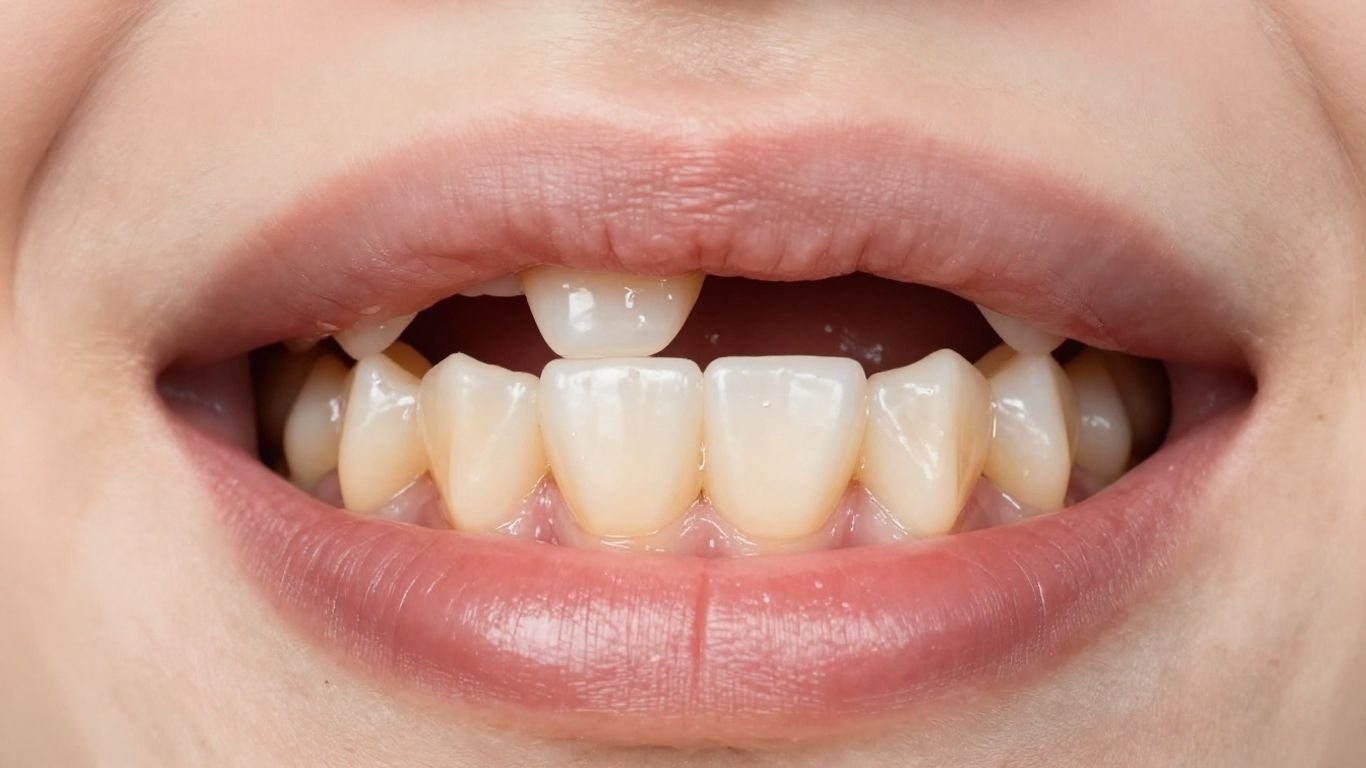
So, you've heard about impacted wisdom teeth, but what about those other important teeth – the canines? These are the pointy ones, right between your front teeth and molars. Sometimes, they don't come in quite right, getting stuck under the gums. This article is all about impacted canine teeth: what they are, why they happen, and what you can do about them. We'll cover the signs to look for and the different ways dentists and orthodontists can help get things back on track.
Key Points to Know
- Impacted canine teeth get stuck under the gum line and can't erupt properly, often due to crowding or extra teeth.
- Symptoms might include delayed eruption, swelling, pain, or a gap where the tooth should be.
- Treatment options range from orthodontic adjustments with braces to surgical exposure and bonding, or sometimes extraction.
- Early detection and treatment are important to prevent complications like damage to neighboring teeth or cysts.
- While not all impactions can be prevented, good oral hygiene and regular dental visits help catch issues early.
What Are Impacted Canine Teeth?
So, what exactly are impacted canine teeth? Basically, it's when one of your four adult canine teeth, those pointy ones at the corners of your mouth, gets stuck and can't push through your gums into its proper spot. Think of them as the third teeth from the center, sitting between your front teeth and your premolars. They're super important for biting and tearing food, and they also help guide your bite. When they don't come in right, it's a bummer.
Why do canine teeth become impacted?
There isn't just one single reason why a canine tooth might decide to go rogue and get stuck. It's usually a mix of things. Sometimes, there's just not enough room in the jaw for all the teeth to line up nicely, especially if you have extra teeth or your jaw is on the smaller side. Other times, it could be due to something blocking the path, like a baby tooth that just won't budge or even some trauma to the area. Genetics can play a role too, predisposing some people to this issue.
- Not enough space: Your jaw might be a bit crowded.
- Obstructions: A lingering baby tooth or other dental issues can block the path.
- Genetics: Sometimes, it's just in the family genes.
- Trauma: An injury to the mouth could affect tooth development.
It's pretty common for canine teeth, especially the ones on the top, to be the second most likely teeth to become impacted after wisdom teeth. So, if you're dealing with this, you're definitely not alone.
If a canine tooth is impacted, it might not cause any immediate problems, but it's something you shouldn't ignore. Left untreated, it can lead to other dental headaches down the road, like affecting the roots of neighboring teeth or causing cysts.
Impacted Canine Tooth Symptoms You Should Not Ignore
So, you're wondering if your canine tooth might be a bit… stuck? It's not always obvious, but there are definitely some signs that your impacted canine tooth symptoms are trying to tell you something. Ignoring them is a bad idea, like ignoring a weird noise your car is making. Eventually, it'll probably get worse.
How do you know if your canine tooth is impacted?
Sometimes, you won't know until your dentist spots it during a regular check-up. But often, your body gives you clues. Here are some common impacted canine tooth symptoms to watch out for:
- Delayed Eruption: Adult canine teeth usually pop through between ages 11 and 12. If you're past that and still no sign of the tooth, it might be stuck.
- Baby Tooth Still Hanging Around: If your child still has a baby canine tooth and they're older than they should be, the permanent one might be blocked.
- Gaps or Odd Spaces: You might notice a space where the canine should be, or your teeth might just look a little out of whack.
- Gum Issues: Swelling, tenderness, or even a persistent ache in the gum area where the canine should be can be a big red flag.
- Pain: This can range from a dull ache to a more throbbing pain. It's your mouth's way of saying something isn't right.
It's important to remember that not all impacted teeth cause pain or obvious symptoms. Sometimes, the only way to know for sure is through dental X-rays. Don't wait for pain to be your only indicator.
If you're experiencing any of these, especially a persistent ache or swelling, it's time to give your dentist a call. They can take a look, maybe snap a few X-rays, and figure out exactly what's going on. Catching it early is key to making treatment easier and preventing bigger problems down the road, like damage to nearby teeth or even cysts.
How to Fix an Impacted Canine Tooth — Treatment Options
So, you've found out one of your canine teeth is stuck and not coming out like it should. Don't panic! There are definitely ways to deal with this. The main goal is to get that tooth into its proper spot or, if that's not possible, to deal with the situation so it doesn't cause other problems. Figuring out how to fix an impacted canine tooth really depends on a few things, like how badly it's stuck and where it is.
Orthodontic Treatment: Braces to the Rescue
This is often the first line of defense. If the impacted canine still has a chance to erupt naturally, orthodontics can help nudge it along. Your orthodontist will use braces or other appliances to create space in your jaw for the tooth to move. Then, they'll gently guide the impacted canine into its correct position. It's a slow and steady process, usually taking several months, but with careful monitoring, it works for many people.
Surgical Exposure and Bonding
Sometimes, the tooth is just too stubborn to move on its own, even with braces. In these cases, a minor surgery might be needed. An oral surgeon can carefully expose the impacted tooth, which means they'll remove any gum tissue or bone blocking it. Then, they'll attach a tiny bracket and chain to the tooth. This chain connects to your braces, giving the orthodontist something to pull on to guide the tooth into place. It sounds a bit intense, but it's a common procedure.
Extraction: When Other Options Aren't Viable
In some situations, trying to move the impacted canine just isn't the best path. This might happen if the tooth is severely misplaced, causing damage to nearby teeth, or if you're older and the chances of successful movement are slim. In these cases, the impacted tooth might need to be removed. If the impacted tooth is taken out, your dentist will discuss options to fill the gap, like a dental implant or a bridge, to keep your smile looking and functioning great.
It's important to remember that not every impacted tooth needs immediate intervention. If a tooth is deeply buried and not causing any issues or risks to other teeth, your dentist might suggest just keeping an eye on it. The decision to treat is always based on your specific situation and what's best for your long-term oral health.
What to Expect During Treatment
- Patience: Orthodontic treatment takes time. Be prepared for multiple appointments and adjustments.
- Discomfort: You might feel some soreness or pressure, especially after braces are tightened or after surgery. Over-the-counter pain relievers usually do the trick.
- Careful Cleaning: Keeping your teeth clean is super important, but you'll need to be extra gentle around any surgical sites or new braces.
- Follow-ups: Regular check-ins with your orthodontist or oral surgeon are key to making sure everything is progressing as it should.
Consulting with your dentist or an orthodontist is the best way to figure out the right plan for you. They can assess your unique situation and explain all the options in detail.
Impacted Canine Tooth Surgery: What to Expect
So, you've learned that impacted canine tooth surgery might be on the table. It sounds a bit daunting, right? Let's break down what typically happens during and after the procedure. The main goal of this surgery is usually to expose the hidden canine tooth and get it moving in the right direction, often with the help of braces.
What Happens During the Surgery?
This procedure is usually done right in the oral surgeon's office. For most folks, it's a pretty chill experience, often involving some laughing gas and local anesthetic to keep you comfortable. If you're really anxious, IV sedation is an option, but it's not usually needed. The surgery itself involves the surgeon making a small opening in the gums to find the impacted tooth. Once found, a tiny bracket with a little chain attached is usually bonded to the tooth. This chain then connects to your braces, giving the orthodontist something to gently pull on.
- Exposure: The surgeon carefully uncovers the tooth.
- Bonding: A bracket and chain are attached to the tooth.
- Guidance: The chain is connected to your orthodontic appliance.
What to Expect Immediately After Surgery
After the surgery, you can expect a little bit of bleeding and some discomfort. Most people find that over-the-counter pain relievers like ibuprofen or acetaminophen are more than enough to manage any soreness, and often, you won't need much medication after a couple of days. Swelling is also common, especially in the lip area. Applying ice packs for the first afternoon can help keep this in check.
You'll likely be advised to stick to soft foods for a bit. Think smoothies, yogurt, and mashed potatoes. Anything too hard or sharp could irritate the surgical site while it's healing.
Recovery and Healing
Your mouth is pretty amazing at healing, but you'll need to be a bit gentle. Keeping the area clean is important, but avoid vigorous brushing right around the surgical spot. Rinsing with warm salt water is usually recommended. You'll also want to avoid strenuous activities for the first day or so, just to minimize any bleeding or swelling. Your dentist or oral surgeon will schedule follow-up appointments to check on your healing and possibly remove any stitches. The whole process of getting the tooth moved into place can take several months, with regular adjustments to your braces.
Impacted Canine Teeth Treatment: Which Option Is Best for You?
So, you've found out you've got an impacted canine tooth, and now you're wondering what's next. The good news is there are a few ways to tackle this, and the best path really depends on your specific situation. It's not a one-size-fits-all deal, so talking it over with your dentist or an orthodontist is super important.
Here are the main ways impacted canine teeth treatment usually goes down:
- Orthodontic Treatment: This is often the go-to, especially if the tooth isn't too far off track or causing major issues. Think braces or clear aligners. The idea here is to gently create space in your jaw and then guide that stubborn canine into its proper spot. It takes time and patience, with regular adjustments to make sure everything moves along smoothly.
- Surgical Exposure and Bonding: If the tooth is really buried or just not responding to braces alone, a little surgery might be needed. An oral surgeon can carefully uncover the tooth and then attach a tiny bracket and chain to it. This chain then connects to your braces, giving the orthodontist something to pull on to bring the tooth down.
- Extraction: In some cases, usually when the impacted tooth is causing problems, is too difficult to move, or is damaging other teeth, taking it out might be the best bet. This is less common for canines, but it's definitely an option. If this happens, you might then look at options like a dental implant or a bridge to fill the gap.
Deciding on the right treatment for impacted canine teeth is a big deal. It's all about balancing how much the impaction is affecting your bite and appearance against the effort and potential risks of treatment. Your dental team will look at X-rays, check the tooth's position, and consider your age and overall oral health to figure out the best plan.
Ultimately, the goal of any impacted canine teeth treatment is to get that tooth into its correct place, improve your smile's appearance, and make sure your bite works right. Don't hesitate to ask your dentist all the questions you have – they're there to help you understand every step.
Wrapping Things Up
So, impacted canine teeth can be a bit of a pain, literally. But knowing what they are and what can be done about them is half the battle. Whether it's braces, a little surgery, or even just keeping up with your dentist, there are ways to sort it out. Don't ignore any weird feelings or gaps in your smile – getting it checked out early is always the best move. Your smile will thank you for it later!
Frequently Asked Questions
What exactly are impacted canine teeth?
Impacted canine teeth, also called eye teeth or cuspid teeth, are adult teeth that get stuck under your gums and can't grow into their normal spot. These teeth are usually found on each side of your front teeth and are important for biting and tearing food. When they don't come in properly, it's called impaction.
Why do canine teeth get stuck and not erupt?
Several things can cause canine teeth to become impacted. Sometimes, there just isn't enough room in the jaw for all the adult teeth to come in straight, leading to crowding. Other times, genetics play a role, or there might be extra teeth blocking the path. Injury to the area or losing baby teeth too early can also contribute.
What are the signs that my canine tooth might be impacted?
You might notice a delay in your adult canine tooth appearing, especially if the baby tooth has already fallen out. Sometimes, there's a visible gap where the tooth should be, or you might feel swelling and tenderness in your gums. A persistent ache or discomfort in that area is also a common sign that something isn't right.
Can impacted canine teeth fix themselves without any help?
In most cases, impacted canine teeth won't fix themselves. While a dentist might sometimes suggest leaving a deeply impacted tooth alone if it's not causing problems, it usually requires some form of treatment to guide it into place or remove it if necessary. Waiting too long can lead to other dental issues.
What are the main ways to treat an impacted canine tooth?
Treatment depends on how severe the impaction is. Often, braces or other orthodontic tools are used to create space and gently pull the impacted tooth into its correct position. In some situations, a minor surgery might be needed to expose the tooth so braces can be attached. If the tooth is causing significant problems or can't be moved, it might need to be removed.
How long does it take to recover after surgery for an impacted canine?
Recovery time varies, but generally, you can expect some soreness for a few days. Most people can return to their normal activities fairly quickly, though you might need to stick to softer foods for a bit. Your dentist will give you specific instructions on how to care for the area to ensure proper healing.
Blog Post Author

Contributed by DentalROI
DentalROI provides relevant dental content to help providers educate patients. The statements, services, and products referenced in this article have not been evaluated by the Food and Drug Administration, and they are not intended as a substitute for professional medical advice, diagnosis, or treatment. Always seek the advice of your dental provider with any questions or issues you may have. Specific recommendations may vary in different circumstances, so individual consultation is important.