

 CALL THE LOCATION NEAREST YOU
Impacted Canine Teeth: How Exposure and Bonding Treatment Works
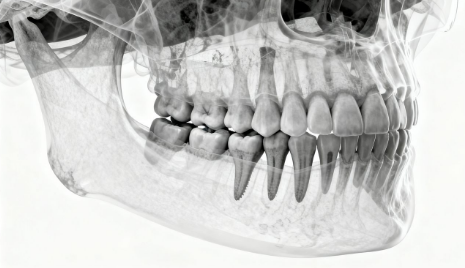
When a permanent tooth fails to emerge through the gum line, it is considered impacted. This condition is particularly significant when it affects the canine teeth, which are essential for biting, tearing food, and maintaining the structural integrity of the jaw. Addressing an impacted canine requires a coordinated effort between dental professionals to safely guide the tooth into its ideal position, and the team at Oral Surgeons, P.C. in Des Moines works closely with orthodontists to make that happen.
Why Do Canine Teeth Get Impacted in the First Place?
Canine teeth are often the last to emerge, typically appearing around age thirteen, which leaves them vulnerable to various developmental obstacles. Problems arise when other structures block their natural path or when the jaw simply lacks the necessary room for them to settle correctly. Many factors contribute to this misalignment during the critical growth phase:
- Genetic inheritance influencing jaw size and tooth shape
- Presence of extra teeth crowding the gum tissue
- Premature loss of baby teeth causing shifting space
- Abnormal growths or soft tissue obstructions
Identifying these issues early often prevents the need for more complex interventions and helps maintain long-term dental health. By monitoring eruption patterns during childhood, dentists can determine if the canine is on the correct trajectory or if it requires clinical intervention.
How Impacted Canine Tooth Treatment Is Diagnosed
Diagnosis relies on more than just a standard visual examination, as the tooth is often buried deep beneath the gums or bone. Our surgeons frequently use imaging technology like panoramic X-rays or 3D cone beam scans to visualize the exact position, orientation, and proximity of the impacted tooth to adjacent roots. This detailed mapping serves as the foundation for a predictive treatment plan that minimizes risk to the surrounding healthy teeth.
What Happens During Canine Exposure and Bonding Surgery?
Once the location is mapped, the surgical process involves creating access to the buried tooth by carefully removing the overlying gum or bone. The surgeon then attaches a small orthodontic bracket with a delicate gold chain to the surface of the exposed crown, allowing for a controlled, gentle pull. This follows a clear progression:
| Process Stage | Primary Action | Expected Benefit |
|---|---|---|
| Exposure | Removing overlying tissue | Uncovers the tooth surface for attachment |
| Bonding | Attaching bracket and chain | Provides a mechanical anchor for movement |
| Traction | Orthodontic guidance | Gradually draws the tooth into alignment |
Following the surgery, the patient works closely with an orthodontist to apply pressure through the chain, slowly guiding the canine into its proper place within the dental arch over several months, ensuring it integrates functionally with the rest of the biting mechanism. This falls under our surgical orthodontics services.
Impacted Canine Surgery Recovery: What to Expect
Recovery from this procedure is generally manageable, though it does require adherence to specific post-operative care instructions to ensure the site heals properly. Most individuals experience some soreness and mild swelling around the treated area, which is managed with simple pain relief and soft foods for a few days. The focus remains on keeping the attachment clean while the orthodontic forces initiate the movement of the tooth.
How Orthodontists and Oral Surgeons Work Together on Treatment
Effective treatment depends on a seamless handoff between the surgical team and the orthodontist to coordinate the timing of the tooth's movement. While the oral surgeon focuses on the delicate exposure of the tooth without damaging neighboring structures, the orthodontist manages the subsequent traction and mechanical guidance. According to the American Association of Oral and Maxillofacial Surgeons, this collaborative approach is the standard of care for impacted teeth, ensuring the tooth arrives in the arch positioned to support the bite correctly.
What Happens If an Impacted Canine Is Left Untreated?
Leaving an impacted canine unattended can lead to a range of complications that compromise the health of the entire mouth. The impacted tooth may cause absorption of the roots of adjacent teeth, potentially damaging those healthy structures permanently. Additionally, the space in the dental arch might close off, making it impossible for the canine to ever arrive normally without significant corrective procedures later in life.
Success Rates for Canine Exposure and Bonding
When diagnosed and managed during the recommended age range, the success rates for this procedure are impressively high, often leading to a fully functional smile. Factors influencing this success include the depth of the impaction and the overall alignment of the existing adult teeth. Patients who pursue these corrective steps early typically achieve stable, long-lasting results that preserve their natural biting function and appearance for years.
Conclusion
Treating an impacted canine is a precise process that restores essential biting function and ensures a healthy, aligned smile. By engaging in timely diagnosis and collaborative post-surgical orthodontic guidance, most patients overcome the physical barriers that prevent natural eruption. If your dentist or orthodontist has flagged a possible impacted canine, contact our team to discuss an evaluation.
Frequently Asked Questions
What is the ideal age to screen for an impacted canine tooth?
Most dental professionals recommend an initial screening around age seven to nine, as this timing allows for monitoring tooth development and early detection of eruption patterns.
Is the exposure and bonding procedure painful?
The procedure is performed under sedation or anesthesia, and most people report only mild discomfort afterward that is managed well with prescribed pain relief.
How long does the orthodontic traction process take?
Active movement typically takes six to twelve months, depending on the position of the tooth and the complexity of the alignment needed.
Can adults undergo this treatment successfully?
Treatment is certainly possible, though it may be more complex than in adolescents because the bone is more rigid, which can increase the time required.
What are the risks of ignoring an impacted canine?
Untreated impaction can lead to cystic tissue growth, infection, or resorption of the roots of neighboring teeth, which may lead to permanent tooth loss.
About the Author
Oral Surgeons, P.C. is a board-certified oral and maxillofacial surgery group serving Des Moines, Ankeny, and Clive, Iowa, with surgeons including Dr. Scott Johnson, DDS, MD, Dr. John Janulewicz, DDS, MD, and Dr. Ryan Marsh, DDS, among others. The practice performs a full scope of oral surgery, including surgical orthodontics, impacted tooth exposure, dental implants, and wisdom tooth removal, working collaboratively with referring orthodontists.
Medical Disclaimer
The information provided in this article is for educational purposes only and does not constitute professional medical, dental, or surgical advice, diagnosis, or treatment. Always seek the advice of your dentist, oral surgeon, or other qualified health provider with any questions you may have regarding a medical condition or treatment. Never disregard professional medical advice or delay in seeking it because of something you have read here.
Blog Post Author

Contributed by DentalROI
DentalROI provides relevant dental content to help providers educate patients. The statements, services, and products referenced in this article have not been evaluated by the Food and Drug Administration, and they are not intended as a substitute for professional medical advice, diagnosis, or treatment. Always seek the advice of your dental provider with any questions or issues you may have. Specific recommendations may vary in different circumstances, so individual consultation is important.