
 CALL THE LOCATION NEAREST YOU
How to Reduce Swelling After Wisdom Teeth Removal
Recovering from a wisdom teeth extraction often brings some level of physical discomfort as your body works through the healing process. Managing inflammation effectively is a central part of regaining your daily comfort quickly. The team at Oral Surgeons, P.C. in Des Moines finds that preparing for this phase before the procedure even begins makes a significant difference in how patients feel during the first few days.
When Does Swelling Peak After Wisdom Teeth Removal?
Inflammation typically begins to appear in the hours following your surgery as your body responds to the trauma of the extraction. Most patients observe that the swelling intensifies gradually over the first two days, usually reaching its peak intensity between 48 and 72 hours post-operation. It can be quite dramatic during these early days before slowly subsiding as the surgical site begins to repair itself. Monitoring these changes during the initial recovery window is normal, provided that the physical symptoms remain within the expected range described by your wisdom teeth care team.
The Wisdom Teeth Swelling Timeline Day by Day
Navigating the first few days after surgery requires a consistent approach to manage your comfort levels. On the first day, the focus is largely on stopping the bleeding and keeping the surgical area undisturbed to encourage clot formation. By the second day, your regimen shifts toward minimizing tissue fluid buildup through temperature-controlled therapies. Following our wisdom tooth removal instructions ensures you focus on the most effective recovery methods for your situation.
How to Use Ice Packs After Wisdom Teeth Removal Correctly
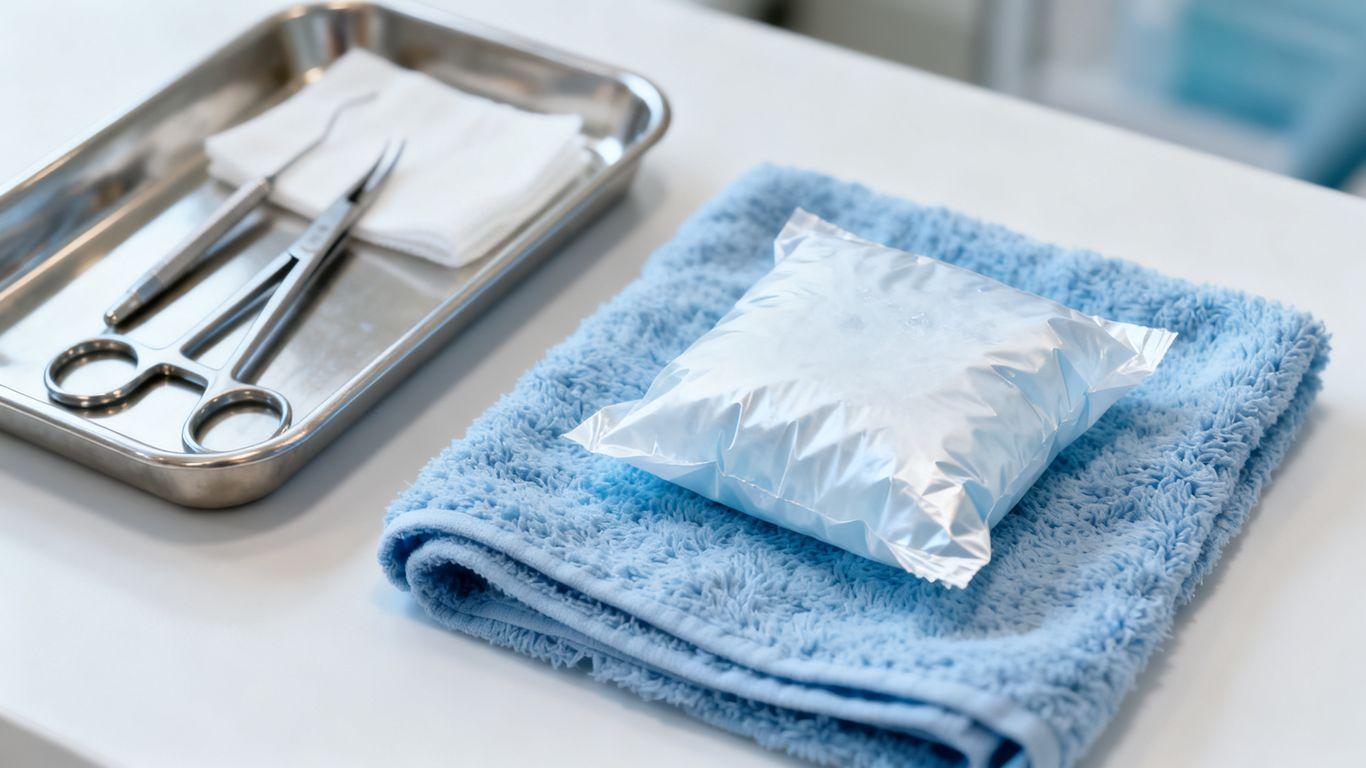
Properly applying cold therapy at the right intervals can significantly limit the severity of post-operative puffiness. It is essential to use a protective barrier between your skin and the ice to avoid any potential temperature damage to the tissues. To stay organized during this period, you can follow this recommended schedule for your cold compresses:
- Apply the ice pack firmly against the jaw for 15 minutes.
- Remove the cold pack completely for a cooling break of 15 minutes.
- Repeat this alternating cycle consistently for the first 18 to 24 hours.
- Switch to warm compresses after the 72-hour mark to improve circulation.
Maintaining this disciplined routine helps prevent the tissue from becoming stiff while keeping blood flow managed appropriately. Consistent application is far more effective than intermittent use, so set a timer if you find it difficult to track your sessions.
Fast Ways to Bring Swelling Down Safely
Once the initial cold therapy phase passes, transitioning to gentle heat can help resolve any residual firmness in your jaw muscles. It is wise to focus on maintaining a steady, low-impact routine that allows your body to dedicate its energy toward cellular repair. Many patients find that simple adjustments to their sleeping position or activity levels further support healing. By keeping your head elevated even while resting, you can often feel a tangible decrease in internal pressure.
When Swelling Might Signal a Complication
While some level of facial fullness is standard after surgery, there are specific signs that indicate you might need to speak with your care team. According to the American Association of Oral and Maxillofacial Surgeons, it's important to distinguish normal postoperative healing from symptoms that require professional assessment. Review the following table of standard versus abnormal markers during your healing journey:
| Observation | Standard Response | Potential Concern |
|---|---|---|
| Physical Firmness | Soft to semi-firm | Rigid or worsening hardness |
| Temperature | Normal body heat | Localized heat or fever |
| Symptoms Location | Concentrated near site | Spreading toward the throat |
If you notice that the firmness in your cheek or jaw feels increasingly rigid instead of dissipating, or if you develop a fever, reach out to your provider immediately. Tracking these subtle changes helps identify potential issues like infection before they affect your overall recovery.
Other Recovery Tips to Pair With Swelling Management
Total recovery involves more than just cold and heat; your overall lifestyle choices during the first week play a major role in your success. Staying well-hydrated without using straws, eating soft foods, and avoiding strenuous activity are cornerstones of a successful healing plan. Each of these small actions keeps the delicate wound site secure and prevents unnecessary strain on facial muscles that are already managing significant healing stress.
When to Contact Your Oral Surgeon About Swelling
There are instances where your body requires closer oversight from a professional clinician. If you find that the comfort strategies are not yielding the expected results, do not hesitate to contact our team. Being proactive about your health ensures that any issues are caught early and addressed with the appropriate clinical input for your specific dental profile.
Conclusion
Navigating post-operative swelling safely is a central part of your healing journey after a wisdom tooth extraction. By staying vigilant with cold therapy, managing your transition to heat, and observing any changes that deviate from the expected timeline, you can resolve discomfort and return to your regular routine much more quickly. Always trust your instincts if you notice something feels unusual, as our team is available to ensure your path to recovery remains safe and effective.
Frequently Asked Questions
Is it normal for my swelling to be worse on the third day?
Yes, it is very common for swelling to reach its peak around 48 to 72 hours after the procedure before it begins to subside.
Can I sleep with an ice pack on my cheek?
You should avoid sleeping with an ice pack because the lingering numbness from anesthesia makes it difficult to detect if the cold is damaging your skin.
Why should I avoid straws after oral surgery?
Using a straw creates suction that can inadvertently dislodge the protective blood clot in your tooth socket, which is necessary for proper healing.
Should I switch from ice to heat eventually?
Yes, transitioning to a warm compress after 72 hours can help soothe stiff jaw muscles and improve circulation to the area.
When is it considered dangerous to have facial swelling?
If the swelling is accompanied by a fever, difficulty breathing, or an inability to swallow, you should seek professional medical attention immediately.
About the Author
Oral Surgeons, P.C. is a board-certified oral and maxillofacial surgery group serving Des Moines, Ankeny, and Clive, Iowa, with surgeons including Dr. Scott Johnson, DDS, MD, Dr. John Janulewicz, DDS, MD, and Dr. Ryan Marsh, DDS, among others. The practice performs a full scope of oral surgery, from wisdom tooth removal to dental implants and bone grafting, using advanced technology to diagnose and treatment-plan each patient.
Medical Disclaimer
The information provided in this article is for educational purposes only and does not constitute professional medical, dental, or surgical advice, diagnosis, or treatment. Always seek the advice of your dentist, oral surgeon, or other qualified health provider with any questions you may have regarding a medical condition or treatment. Never disregard professional medical advice or delay in seeking it because of something you have read here.
Blog Post Author

Contributed by DentalROI
DentalROI provides relevant dental content to help providers educate patients. The statements, services, and products referenced in this article have not been evaluated by the Food and Drug Administration, and they are not intended as a substitute for professional medical advice, diagnosis, or treatment. Always seek the advice of your dental provider with any questions or issues you may have. Specific recommendations may vary in different circumstances, so individual consultation is important.