
 CALL THE LOCATION NEAREST YOU
How to Prepare for Oral Surgery: What to Do Before & After
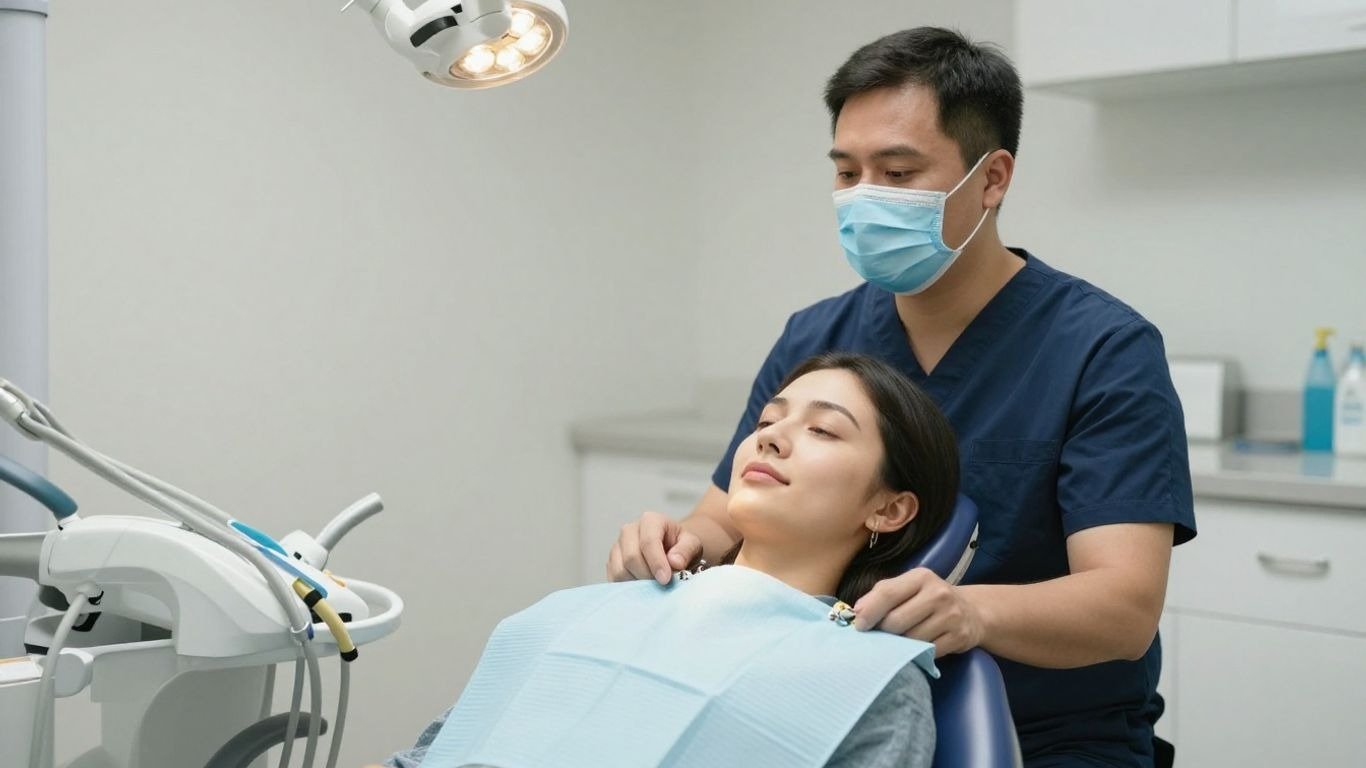
Getting ready for oral surgery can feel a bit daunting, especially if it's your first time. But honestly, it's mostly about following a few simple steps before and after the procedure to make sure everything goes smoothly. This guide will walk you through what you need to know, so you can feel more confident and prepared for your upcoming appointment. We'll cover everything from what to eat (and not eat) to how to take care of yourself once you're home.
Key Takeaways
- Arrange for a ride home before your surgery, especially if you'll be sedated. You won't be able to drive yourself afterwards.
- Follow your surgeon's instructions about eating and drinking before the procedure. This often means fasting for several hours to prevent complications.
- Prepare your home for recovery by stocking up on soft foods and setting up a comfortable spot to rest.
- Avoid straws, smoking, and alcohol for a period after surgery to help the healing process and prevent issues like dry socket.
- Contact your dentist or surgeon if you have any concerns or notice unusual symptoms during your recovery.
How to Prepare for Oral Surgery: A Complete Guide
So, you've got oral surgery coming up? It's totally normal to feel a bit anxious, but knowing how to prepare for oral surgery can make a huge difference in how smoothly everything goes. Think of it like getting ready for a big trip – a little planning goes a long way.
What should you do the night before oral surgery?
The night before your procedure is all about setting yourself up for success. First things first, make sure you have a ride home. If you're getting any kind of sedation or anesthesia, you absolutely cannot drive yourself. Arrange for a friend, family member, or trusted neighbor to pick you up and stick around for a bit afterward. Don't rely on taxis or ride-shares unless you have a responsible adult accompanying you.
Next, check your pre-op instructions regarding food and drink. Most of the time, you'll be told to stop eating and drinking for about 8 hours before your surgery. This is super important to prevent any complications with anesthesia. So, no late-night snacks or even water after the cutoff time. If you take regular medications, check with your doctor about whether you should take them with a tiny sip of water in the morning – usually, that's okay.
It's also a good idea to get your recovery space ready. Think about where you'll be resting – your bed, a comfy couch, or a recliner. Make sure it's stocked with everything you might need: pillows, blankets, your phone, chargers, and maybe some entertainment like books or a tablet. And while you're at it, stock up on soft foods you can eat after surgery. Things like yogurt, pudding, soup (not too hot!), and smoothies are great choices. You'll want to avoid anything crunchy or hard for a while.
Getting enough rest the night before is also key. Your body will thank you for being well-rested when it needs to focus on healing.
Finally, lay out comfortable clothing for the next day. Think loose-fitting clothes, maybe a short-sleeved shirt so it's easy for any medical staff to access your arm if needed. Avoid jewelry, makeup, and nail polish, as these can sometimes interfere with monitoring equipment.
Oral Surgery Preparation Tips You Should Follow
Getting ready for oral surgery can feel a bit overwhelming, but a little planning goes a long way. These oral surgery preparation tips are here to help make things smoother for you. The most important thing is to follow your dentist's specific instructions to the letter. They know your situation best.
What medications or habits to avoid before oral surgery?
Before your procedure, there are a few things you'll want to steer clear of. For at least 72 hours beforehand, it's best to avoid alcohol and any recreational drugs. These can mess with how the anesthesia works, and nobody wants that. Also, try to quit smoking or at least cut back as much as possible starting 12 hours before surgery. Smoking can slow down healing.
If you're on regular medications, keep taking them unless your doctor tells you otherwise. Just be sure to take them with a tiny sip of water. If you have any illnesses like a cold or stomach bug leading up to your surgery, give your dentist's office a heads-up. They might need to reschedule to make sure everything is safe.
It's a good idea to have a comfy spot ready at home for when you get back. Think about where you'll rest – maybe your favorite couch or a cozy chair. Having soft foods already stocked up will also make your recovery much easier. You don't want to be running errands when you should be resting!
Can you drink water before oral surgery?
This is a big one, and it really depends on the type of anesthesia you're getting. For general anesthesia or IV sedation, you'll likely need to stop eating and drinking anything, including water, for about 8 hours before your appointment. If you're just having nitrous oxide (laughing gas), the fasting period might be shorter, maybe around 3 hours without food or drink. Always confirm the exact timing with your dental team. They'll give you the precise window for when you need to stop all intake. It's all about minimizing risks during the procedure, especially when you're sedated.
What to Eat Before Oral Surgery and What to Avoid
So, you've got oral surgery coming up. Big day! Before you get all prepped, let's chat about what you should and shouldn't be putting in your mouth. It's not just about what you eat after surgery, but what you consume before can make a difference too.
What to Eat Before Oral Surgery
Generally, your surgeon will give you specific instructions about eating and drinking before your procedure. The most important thing is to follow those directions precisely. However, if you're cleared to eat, stick to light, easily digestible foods. Think simple things like broth, plain yogurt, or maybe some applesauce. The goal is to have a comfortable stomach and avoid any surprises.
What to Avoid Before Oral Surgery
This is where things get a bit more serious. You'll likely be told to fast for several hours before your surgery, meaning no food or drinks, not even water. This is super important, especially if you're getting sedation or anesthesia. It helps prevent stomach contents from getting into your lungs, which can be a really nasty complication.
- No solid food for at least 8 hours before. This is a common rule, but always check with your dentist.
- Limit liquids. If you can have liquids, they'll usually be clear ones, and only up to a few hours before.
- Skip the alcohol and recreational drugs. These can mess with anesthesia and healing. Best to steer clear for at least 72 hours beforehand.
- Hold off on smoking. Try to quit or cut back as much as possible, and definitely no smoking for at least 12 hours before.
Remember, these fasting rules are there for your safety. It's a rare thing, but aspiration can be serious, and nobody wants that.
Can You Drink Water Before Oral Surgery?
This is a big one, and the answer is usually no, or at least, very limited. Your surgeon will tell you exactly how long you need to stop drinking. If you're allowed a sip of water, it's usually just a tiny bit to help you swallow any necessary medications. For most procedures involving sedation, you'll need to stop all food and drink, including water, for a significant period beforehand. Always, always confirm the exact timing with your dental team. It's better to be safe than sorry!
Oral Surgery Recovery Tips for a Smooth Healing Process
Alright, so you've made it through the surgery itself. Now comes the part where you let your body do its thing and heal up. This is where those oral surgery recovery tips really come into play to make sure everything goes as smoothly as possible.
First off, take it easy. Seriously. Your body just went through something, and it needs time to recover. Think of it as a mini-vacation for your mouth. You'll want to set up a comfy spot at home, maybe your favorite couch or bed, where you can just chill. Catch up on that show you've been meaning to watch or finally get to that book pile.
Don't try to rush back into your normal routine too quickly.
Here’s a quick rundown of what to keep in mind:
Pain Management: Your surgeon will likely give you some options for pain relief. Over-the-counter stuff like ibuprofen or acetaminophen might be enough for some procedures, but for others, you might get a prescription. Follow their advice on what and when to take it. Don't wait until the pain is really bad to take something.
Swelling Control: Expect some swelling. An ice pack can be your best friend here. Apply it to the outside of your cheek for about 15 minutes at a time, then take a break. Doing this on and off for the first day or two can make a big difference.
Eating Habits: This is a big one. Stick to soft foods for a while. Think smoothies, yogurt, mashed potatoes, soup, and scrambled eggs. Avoid anything hard, crunchy, or spicy that could irritate the surgical site. Also, steer clear of using straws for at least a few days – the sucking action can mess with the healing clot.
Oral Hygiene: Keeping your mouth clean is super important to prevent infection, but you have to be gentle. Your surgeon will give you specific instructions, but generally, you'll want to avoid vigorous brushing near the surgical area for a bit. Rinsing with a warm salt water solution (about half a teaspoon of salt in a cup of warm water) a few times a day, especially after meals, can help keep things clean and soothe the area.
Remember, every surgery is a bit different, and your dentist or oral surgeon will give you the most specific advice for your situation. It’s always better to ask questions if you’re unsure about anything.
Most people start feeling pretty normal within a few days to a week, depending on the type of surgery. Just be patient with yourself and your healing mouth.
Oral Surgery Aftercare Instructions Day by Day
So, you've had your oral surgery. Now what? The next few days are super important for making sure everything heals up right. Think of it like giving your mouth a little spa treatment to help it recover.
What to Expect and How to Handle It
Recovery can feel a bit different depending on what kind of surgery you had, but there are some common things to keep in mind. You might feel some soreness or notice a little swelling, which is totally normal. Most of the time, this starts to get better after a few days.
Here’s a quick rundown of what you can generally expect:
- Days 1-3: This is usually when you'll feel the most discomfort. Stick to soft foods, take any prescribed pain meds, and be gentle with the surgical area. Swelling might be at its peak.
- Days 4-7: You should start feeling a lot better. Pain and swelling should be going down. You can slowly start introducing more solid foods, but still avoid anything too hard or crunchy.
- Week 2 and beyond: Most people are feeling pretty good by now and can get back to their normal eating habits. Keep up with good oral hygiene, but always follow your dentist's specific advice.
The most important thing is to follow your surgeon's specific oral surgery aftercare instructions.
Keeping Things Clean and Comfortable
Taking care of the surgical site is key to preventing problems. Your dentist will give you detailed instructions, but here are some general tips:
- Rinsing: After the first 24 hours, gently rinse your mouth with warm salt water (about half a teaspoon of salt in a cup of warm water) a few times a day, especially after meals. This helps keep the area clean.
- No Straws or Smoking: For at least 3-5 days, avoid using straws and smoking. The sucking action can dislodge the important blood clot that forms, leading to a painful condition called dry socket.
- Ice Packs: To help with swelling, you can apply an ice pack to the outside of your cheek for about 15 minutes at a time, with breaks in between.
Remember, your mouth is trying to heal. Be patient with it and avoid anything that could irritate the surgical area. This means no crunchy chips, no hard candies, and definitely no poking around with your tongue or fingers.
What to Eat (and What to Skip)
Your diet plays a big role in healing. For the first few days, think soft and easy.
- Good choices: Smoothies (no straws!), yogurt, applesauce, mashed potatoes, soups (lukewarm, not hot), scrambled eggs, and pudding.
- Foods to avoid: Anything hard, crunchy, spicy, or sticky. This includes things like nuts, popcorn, hard candies, and even things like crusty bread.
As you feel better, you can gradually add in more normal foods, but always listen to your body and your dentist's advice. If you have any concerns about your recovery or notice anything unusual, don't hesitate to reach out to your dentist.
Wrapping Things Up
So, there you have it. Getting ready for oral surgery and bouncing back afterward might seem like a lot, but it's really about taking things step by step. Following the doctor's advice before and after your procedure is key to a smooth recovery. Think of it as giving your mouth the best chance to heal up right. Don't be afraid to ask questions, and remember to take it easy. You've got this!
Frequently Asked Questions
- What should I do the night before my oral surgery?
The night before your surgery, make sure you have someone to drive you home afterward, especially if you'll be sedated. It's also a good idea to stock up on soft foods like yogurt, soup, and ice cream so you have easy meals ready for when you get home. Try to get a good night's sleep! - Are there any foods or drinks I should avoid before surgery?
Yes, your dentist will likely tell you not to eat or drink anything for several hours before your surgery, sometimes even water. This is to prevent serious issues if you're given anesthesia. Also, avoid alcohol and recreational drugs for at least a couple of days beforehand, as they can interfere with the anesthesia. - Can I drink water right before oral surgery?
Usually, you can't drink anything, including water, for about 8 to 12 hours before surgery if you're having sedation or anesthesia. However, your doctor will give you specific instructions. Sometimes, clear liquids are allowed up to 4 hours before, but always follow your surgeon's directions precisely. - What kind of foods are best after oral surgery?
After surgery, stick to soft, easy-to-chew foods. Think things like smoothies, mashed potatoes, soup, yogurt, and pudding. Avoid anything hard, crunchy, or spicy for a while, as it can irritate your healing mouth. Also, be careful with hot foods and drinks because your mouth might still be numb. - How long will I need to rest after surgery?
You'll need to rest for the remainder of the surgery day. If you had sedation, you shouldn't drive, operate machinery, or make big decisions for about 24 hours. Plan to take it easy for a few days to allow your mouth to heal properly. - When should I contact my dentist after oral surgery?
You should call your dentist if you experience severe pain that doesn't get better with medication, excessive bleeding that won't stop, signs of infection like fever or worsening swelling, or if you have any concerns about your healing. It's always better to be safe and check in if something feels off.
Blog Post Author

Contributed by DentalROI
DentalROI provides relevant dental content to help providers educate patients. The statements, services, and products referenced in this article have not been evaluated by the Food and Drug Administration, and they are not intended as a substitute for professional medical advice, diagnosis, or treatment. Always seek the advice of your dental provider with any questions or issues you may have. Specific recommendations may vary in different circumstances, so individual consultation is important.