

 CALL THE LOCATION NEAREST YOU
Dry Socket After Tooth Extraction: Causes, Symptoms & Treatment
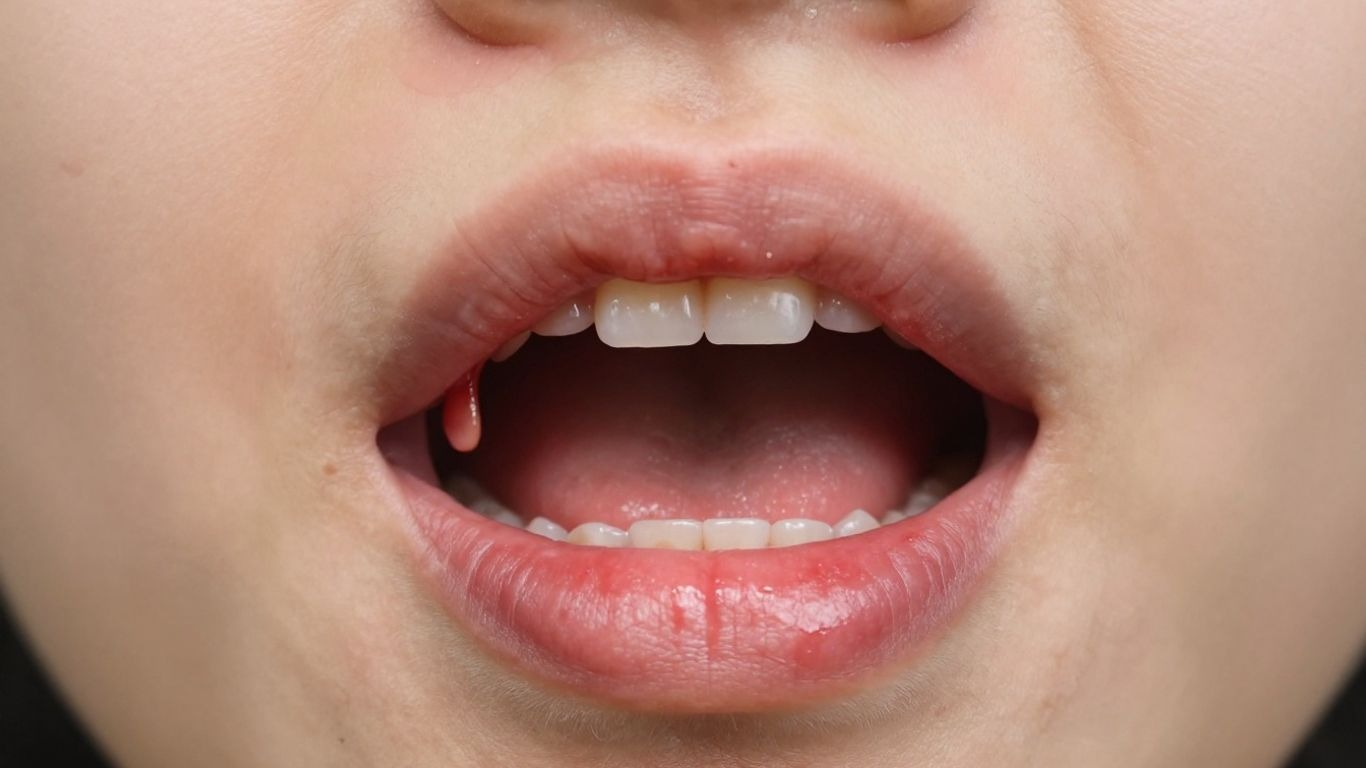
So, you've had a tooth pulled, and you thought the worst was over. You're trying to follow all the instructions, but then, a few days later, the pain really kicks in. It's way worse than you expected, and maybe there's a weird taste or smell too. This could be dry socket after tooth extraction. It's a common, though painful, complication that happens when the healing process gets a bit messed up. Understanding why it happens, what to look for, and how to deal with it can make a big difference in how quickly you feel better.
What to Keep in Mind
- Dry socket, or alveolar osteitis, occurs when the protective blood clot in the extraction site is lost or doesn't form properly, exposing the bone and nerves.
- The main symptom is severe, throbbing pain that starts a few days after extraction and can radiate to the ear, temple, or neck.
- Other signs include a bad taste, foul breath, and the socket appearing empty or showing bone instead of a blood clot.
- Preventing dry socket involves avoiding straws, smoking, and vigorous rinsing for several days after the procedure, and following your dentist's aftercare instructions carefully.
- Treatment typically involves the dentist cleaning the socket and placing a medicated dressing for pain relief, along with pain management and sometimes antibiotics.
What Is Dry Socket After Tooth Extraction?
So, you've had a tooth pulled, and you're expecting some soreness, right? That's normal. But if a few days later, the pain suddenly gets way worse, like a deep, throbbing ache that just won't quit, you might be dealing with something called dry socket after tooth extraction. It's basically when the normal healing process goes a bit haywire.
Normally, after a tooth is removed, a little blood clot forms in the empty socket. Think of it like a natural bandage. This clot is super important because it protects the bone and the nerves underneath while everything starts to heal up. It's usually dark red and sits right in that spot where your tooth used to be.
Why does dry socket happen after an extraction?
Dry socket happens when that protective blood clot either doesn't form properly in the first place, or it gets dislodged or dissolves too early. When that happens, the raw bone and nerves in the socket are left exposed to the air and whatever else is in your mouth. This exposure is what causes that intense, often unbearable pain. It's not just a little ouch; it can be a sharp, radiating pain that might even travel up to your ear or head.
- Normal Healing: A blood clot forms, protecting the site. You feel some soreness for a day or two, and then it gradually gets better.
- Dry Socket: The blood clot is missing or gone. Exposed bone and nerves lead to severe pain, usually starting 2-4 days after the extraction.
It's estimated that dry socket after tooth extraction affects around 2% to 5% of people who have a tooth pulled, and it seems to be more common after wisdom teeth are removed, especially from the lower jaw.
Dry Socket Symptoms — How to Know If You Have It
So, you've had a tooth pulled, and you're expecting some soreness. That's totally normal. But what if the pain suddenly gets way worse, like, a few days later? That's when you might be dealing with dry socket.
The biggest clue is pain that starts a few days after your extraction and feels much more intense than you expected. It's not just a dull ache; it's often a throbbing, sharp pain that can spread from the extraction site up to your ear, eye, or even your temple on the same side of your face. Over-the-counter pain relievers might not even touch it. It can also mess with your sleep because it's often worse at night.
Beyond the pain, there are a couple of other things to look out for:
- A Weird Taste and Smell: You might notice a really unpleasant, metallic taste in your mouth, and your breath could start smelling pretty bad. This happens because the exposed bone is a party spot for bacteria.
- The Look of the Socket: Normally, after a tooth is pulled, a dark blood clot forms in the empty space. This clot is like a natural bandage. If you look (carefully!) and see an empty-looking hole, or maybe a whitish layer at the bottom, that's a sign the clot might be gone, and you could have dry socket.
Is all post-extraction pain a sign of dry socket?
Nope, not at all! It's super important to remember that some discomfort is totally expected after getting a tooth yanked. For the first day or two, you'll likely feel sore, maybe have a little swelling, and perhaps some minor bleeding. This is just your body starting the healing process. Dry socket pain, however, is different. It usually kicks in about 2-4 days after the extraction, and it's significantly more severe and persistent than the initial soreness. If your pain is manageable with the medication your dentist gave you and seems to be gradually improving, you're probably just on the normal healing track. But if the pain escalates, doesn't get better with meds, or comes with that bad taste/smell, it's time to pay attention.
It's easy to get freaked out by post-extraction pain, but knowing the difference between normal healing and potential dry socket symptoms can save you a lot of worry and help you get the right treatment faster.
How to Prevent Dry Socket After Tooth Extraction
So, you've had a tooth pulled and you're trying to do everything right to avoid that dreaded dry socket. It's totally understandable! The good news is, there are definitely things you can do to help the healing process along and keep that painful complication at bay. It mostly comes down to protecting that crucial blood clot that forms in the socket.
What Foods and Habits Increase Dry Socket Risk?
Some everyday things can actually mess with your healing. Think about it: anything that could dislodge that delicate blood clot or introduce bacteria is a no-go. Here’s a quick rundown of what to steer clear of, especially in those first few days:
- Smoking and Vaping: This is a big one. The suction from smoking or vaping can pull the clot right out. Plus, the chemicals in tobacco aren't great for healing.
- Using Straws: Yep, even for drinks. The sucking action is similar to smoking and can dislodge the clot.
- Vigorous Rinsing or Spitting: Your dentist will tell you to be gentle. Aggressively swishing water or spitting forcefully can disrupt the healing site.
- Drinking Alcohol: Alcohol can interfere with healing and might even irritate the wound.
- Strenuous Activity: Heavy lifting or intense workouts can increase blood pressure, potentially leading to bleeding and dislodging the clot.
- Touching the Area: Resist the urge to poke at the extraction site with your tongue or fingers. Let it be!
The first 3-5 days after your extraction are the most critical for protecting the blood clot. Be extra mindful during this period.
How to Prevent Dry Socket After Tooth Extraction
Following your dentist's instructions is key, but here are some extra tips to really nail the prevention game:
- Follow Post-Op Instructions to a T: Your dentist gives you specific advice for a reason. Read it, understand it, and stick to it. This usually includes how to clean the area and what to avoid.
- Keep Your Mouth Clean (Gently!): Good oral hygiene is important, but you need to be super gentle around the extraction site. Your dentist might recommend a special mouthwash, like one with chlorhexidine, or advise you to rinse very softly with warm salt water after meals.
- Avoid Smoking/Vaping for as Long as Possible: If you can quit before your extraction, even better. But definitely don't smoke or vape for at least 3-5 days afterward. The longer you wait, the lower your risk.
- Don't Use Straws: Seriously, just don't. Stick to sipping directly from a glass.
- Manage Pain Wisely: Take any prescribed pain medication as directed. If you're using over-the-counter options, follow the dosage instructions carefully. Managing pain can help you avoid accidentally disturbing the site.
- Stay Hydrated and Eat Soft Foods: Drink plenty of water. Stick to soft foods like yogurt, soup, mashed potatoes, and smoothies (remember, no straws!) for the first few days. This minimizes chewing and reduces the risk of irritating the extraction site.
Dry Socket Treatment at Home and at the Dentist
Okay, so you think you might have a dry socket. Bummer. The good news is, there are ways to deal with it, both at home and with a little help from your dentist. Don't just tough it out; dry socket pain can be pretty intense.
When Should You See a Dentist for Dry Socket?
If the pain is really bad, like a throbbing, deep ache that's not getting better with over-the-counter stuff, it's time to call your dentist. Seriously, don't wait around. They need to see you, especially if you're having trouble opening your mouth wide, notice swelling, or feel generally unwell. If you can't reach your dentist right away, consider an urgent care clinic.
Dry Socket Treatment at Home
While you're waiting to see the dentist, or if your dentist advises it, there are a few things you can do at home to try and get some relief:
- Pain Management: Over-the-counter pain relievers like ibuprofen or acetaminophen can help. Just be sure to follow the dosage instructions on the package. If those aren't cutting it, your dentist might prescribe something stronger.
- Cold Therapy: Applying a cold pack to the outside of your cheek for about 10-15 minutes at a time can help reduce swelling and numb the area a bit. Give yourself a break between applications.
- Saltwater Rinses: Gently swishing with warm salt water (about half a teaspoon of salt in a glass of warm water) a few times a day, especially after eating, can help keep the area clean. Be super gentle, though – you don't want to dislodge anything.
- Natural Remedies: Some people find relief using things like clove oil (use it sparingly on gauze), raw honey (also on gauze), or a cooled black tea bag applied to the site. These have natural numbing or anti-inflammatory properties.
Professional Treatment from Your Dentist
When you see your dentist, they'll likely do a few things to help:
- Cleaning the Socket: They'll carefully clean out the socket to remove any debris or bacteria that might be causing the pain.
- Medicated Dressing: The dentist will then place a special medicated dressing into the socket. This stuff is usually pretty good at numbing the pain pretty quickly.
- Prescriptions: Depending on how bad it is, they might give you antibiotics to prevent infection or stronger pain medication.
- Follow-Up: You might need to go back for dressing changes or just to make sure everything is healing up okay.
Remember, the goal is to protect that empty socket so a new blood clot can form and healing can begin. Anything that disrupts that clot, like smoking or using straws, is a big no-no.
What to Expect
Most dry sockets heal up on their own, but the pain can be a real drag while it's happening. Getting professional help can make a huge difference in managing the discomfort and getting you back to feeling normal faster. Your dentist is your best bet for getting this sorted out.
How Long Does Dry Socket Last and When Does It Heal?
So, you're dealing with dry socket. It's a real pain, literally. The big question on your mind is probably, "How long does dry socket last?" Well, the good news is that it doesn't stick around forever. Typically, you can expect the worst of the pain to start easing up within a few days, especially if you're getting proper treatment from your dentist.
Most people find that the intense discomfort subsides significantly within about 7 to 10 days after the dry socket develops. During this time, your dentist will likely be packing the socket with a medicated dressing to help with pain and promote healing. New tissue starts to grow over the exposed bone, which is what eventually stops the pain and allows everything to heal up.
Here's a general timeline to give you an idea:
- Days 1-3 Post-Extraction: This is when a normal blood clot should be forming. If it doesn't form or gets dislodged, dry socket symptoms might start to appear.
- Days 3-5 Post-Extraction: This is the most common window for dry socket pain to kick in. It's usually much worse than the initial post-op soreness.
- Week 1-2: With treatment, pain should be decreasing. The socket is gradually filling in with new tissue.
- Week 2-3 (or longer): Most dry sockets are pretty much healed by this point, though some might take a bit longer depending on the severity and individual healing.
Remember, dry socket isn't something that just magically disappears overnight. It requires time for the body to repair the exposed bone and nerves. Following your dentist's advice for pain management and wound care is super important to help speed things along and avoid any complications.
If you're not seeing any improvement after a week or so, or if the pain is still really bad, definitely check back in with your dentist. They can make sure everything is healing correctly and offer further treatment if needed.
Don't Suffer in Silence
So, if you've had a tooth pulled and suddenly the pain is way worse than you expected, or you notice a weird taste or smell, don't just tough it out. It might be dry socket, and while it sounds scary, it's usually something your dentist can fix pretty quickly. They can clean things up and put something in there to help with the pain. The main thing is to call your dentist right away if you think something's up. They're the best ones to help you get back to feeling normal and healing up right.
Frequently Asked Questions
What exactly is dry socket?
Dry socket, also known as alveolar osteitis, is a painful condition that can happen after you have a tooth pulled. Normally, a blood clot forms in the spot where your tooth was. This clot acts like a protective shield for the bone and nerves underneath. If this clot doesn't form correctly or gets dislodged too soon, the bone and nerves can become exposed, leading to intense pain and slower healing.
How can I tell if I have a dry socket?
The main sign of dry socket is severe pain that starts a few days after your tooth extraction, often much worse than expected. This pain might spread to your ear, temple, or neck on the same side. You might also notice a bad taste in your mouth or a foul odor. Looking at the extraction site, it might appear empty or have a white, bone-like appearance instead of the dark blood clot you'd normally see.
What causes dry socket?
Dry socket happens when the protective blood clot in the tooth's socket is disturbed or doesn't form properly. Things like smoking, using straws, rinsing your mouth too vigorously, or even certain infections can cause the clot to break down or get knocked out. Sometimes, it's just bad luck, but these habits can significantly increase your chances of developing it.
How long does dry socket pain usually last?
If left untreated, the intense pain from dry socket can last for about two to three weeks. However, with proper treatment from your dentist, you should start feeling relief within 24 to 48 hours, and the area typically heals completely within about a week to ten days.
Can I prevent dry socket after a tooth extraction?
You can lower your risk of dry socket by being careful after your extraction. Avoid smoking and using straws for at least a few days. Don't rinse your mouth too forcefully or spit aggressively. Stick to soft foods and follow all your dentist's instructions for care. If you've had dry socket before or smoke, let your dentist know so they can take extra precautions.
What should I do if I think I have dry socket?
If you suspect you have dry socket, the most important thing to do is contact your dentist right away. They can examine the site, clean it out, and place a special medicated dressing to help with the pain and protect the exposed bone. They might also give you stronger pain medicine or antibiotics if needed. Don't try to tough it out alone, as professional help is key to faster healing and pain relief.
Blog Post Author

Contributed by DentalROI
DentalROI provides relevant dental content to help providers educate patients. The statements, services, and products referenced in this article have not been evaluated by the Food and Drug Administration, and they are not intended as a substitute for professional medical advice, diagnosis, or treatment. Always seek the advice of your dental provider with any questions or issues you may have. Specific recommendations may vary in different circumstances, so individual consultation is important.