

 CALL THE LOCATION NEAREST YOU
Corrective Jaw Surgery: What to Expect Before and After
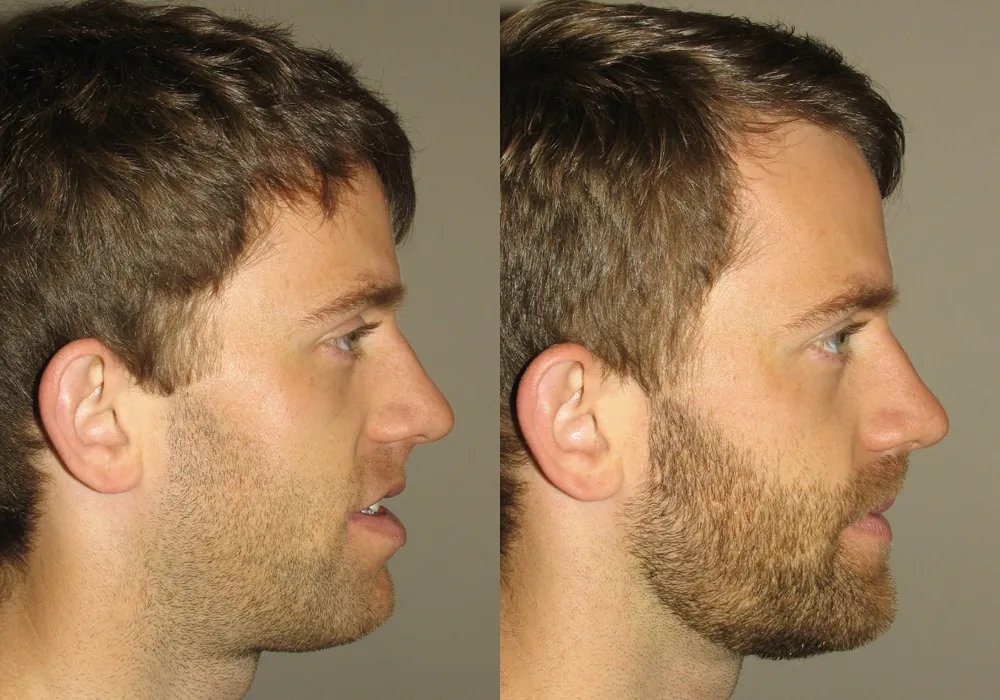
Understanding Corrective Jaw Surgery
Corrective jaw surgery, also called orthognathic surgery, changes the position of one or both jaws when the bones themselves contribute to a bite or facial problem. It is usually planned with orthodontic treatment and involves close coordination between an oral and maxillofacial surgeon and an orthodontist. The goal is not simply to change appearance; it is to improve the relationship between the teeth, jaws, and surrounding facial structures.
What Problems the Procedure Can Address
The procedure may be considered when the upper jaw, lower jaw, or both have developed out of proportion or in an unfavorable position. Examples include a significant overbite or underbite, an open bite, facial asymmetry, difficulty closing the lips comfortably, and chewing problems that braces alone cannot correct.
Some patients also seek evaluation for jaw-related breathing concerns or long-standing strain in the chewing muscles.
Surgery is not automatically the answer for every bite issue. Mild tooth movement can often be managed with orthodontics alone, while a skeletal discrepancy may remain if only the teeth are moved. Your team will assess the source of the problem rather than treating the visible bite in isolation.
The Difference Between Single-Jaw and Double-Jaw Surgery
Single-jaw surgery moves either the upper jaw or the lower jaw. It may be appropriate when one jaw accounts for most of the discrepancy and the planned movement can create a stable bite without placing the face out of balance. Double-jaw surgery moves both jaws when the problem involves their relationship to each other or when coordinated movement is needed in several directions. The choice is based on function, stability, facial proportions, and the amount and direction of movement required.
When Orthodontic Treatment Is Part of the Plan
Braces are often used before surgery to place the teeth in positions that allow the jaws to be corrected properly. This preparation can make the bite look temporarily worse, because teeth may be "decompensated" instead of being camouflaged around the underlying jaw discrepancy. Orthodontic treatment commonly continues after surgery to fine-tune the bite, so it is better to think in phases than to expect one fixed number of months.
Planning Your Surgery and Setting Expectations
Planning usually takes place over several appointments rather than in one quick visit. At an initial consultation, the surgeon may ask about chewing, speech, breathing, jaw discomfort, previous orthodontic treatment, and any change you hope to see in your profile. Photographs, dental examination, and measurements help create a starting point. Bring a list of questions and, if possible, records from your dentist or orthodontist — our team can walk you through what to expect on our First Visit page.
Planning may use dental impressions or scans, facial photographs, X-rays, and three-dimensional imaging, sometimes including virtual surgical planning to simulate proposed jaw movements digitally. The simulation supports communication and surgical preparation, but it is still a plan rather than a promise. Bone healing, soft-tissue response, orthodontic changes, and small adjustments during surgery can affect the final outcome.
Before committing, make sure you understand both the benefits and the trade-offs. Ask how the proposed operation addresses your bite, whether orthodontics alone is reasonable, how long recovery may take, and what limitations could remain. You should leave with a written treatment outline, a contact number for urgent concerns, and enough time to consider the decision without pressure. Our Frequently Asked Questions page covers many of these common concerns.
Getting Ready Before the Operation
Preparation is usually measured in weeks or months, not just the night before surgery. Before surgery, braces or another orthodontic approach may align the teeth within each jaw while leaving the jaw discrepancy visible; this can change how your smile looks for a time. Good oral hygiene becomes especially important during this stage.
Your surgical team may request a physical examination, blood tests, dental clearance, or other assessments.
Tell every clinician about prescription medicines, over-the-counter pain relievers, vitamins, supplements, allergies, and nicotine use, and do not stop a medication on your own. You will need a responsible adult to take you home and someone available to help during the early recovery period, so arrange time away from work, school, and social commitments with the first days in mind.
What Happens During and Immediately After Surgery
Corrective jaw surgery is performed under general anesthesia in a hospital or surgical center. The surgeon makes planned cuts in the jaw bones, repositions the segments, and secures them with small plates or screws as appropriate for the procedure. Most incisions are made inside the mouth, although the exact approach depends on the operation. Afterward, the care team watches breathing, circulation, pain, nausea, swelling, and the early bite.
Early monitoring focuses on your airway, vital signs, bleeding, nausea, hydration, and ability to begin drinking when permitted. Hospital discharge depends on the procedure and your recovery, not on a single standard timetable. Before leaving, you should receive instructions about medicines, fluids, mouth care, sleeping position, activity, and the number to call with concerns.
The Recovery Timeline
Recovery is a process of steady changes rather than a dramatic switch from "before" to "after." During the first week, rest, hydration, medication schedules, and mouth care take priority, and swelling may be prominent. By the second week, some people begin to feel more independent, but tiredness and facial tightness can continue.
At about one month, many patients are gradually returning to routine activities, although chewing and exercise restrictions may remain. Over the following months, jaw movement and diet may expand according to healing and the surgeon's guidance, and orthodontic adjustments continue to refine the bite. The six-month point can offer a more useful view than the first few weeks, but bone healing, nerve recovery, and orthodontic treatment may all continue beyond that point.
Follow-up visits allow the team to check healing, bite position, incisions, sensation, and jaw movement. Elastics may guide the bite or limit certain movements, and their use should follow the exact instructions provided. Contact our office through our Contact page if you have questions between appointments.
Understanding Before-and-After Results
A before-and-after result includes more than a changed profile. The meaningful comparison may involve chewing, speech, lip posture, facial balance, and confidence in everyday activities. Some changes are immediately visible, while others become clear only after swelling fades and orthodontic treatment is complete. A better-aligned bite may make biting and chewing feel more coordinated, and some people notice that the lips meet more comfortably or jaw muscles do not work as hard during meals.
Results depend on the starting bite, bone structure, direction and size of movement, orthodontic preparation, healing, age, health, and adherence to aftercare. Two people with similar operations may still have noticeably different visible outcomes. A personal consultation is more informative than matching yourself to a gallery image; the aim is an individualized improvement in function and balance, not a copy of another person's face.
Risks, Warning Signs, and Long-Term Care
Swelling, bruising, temporary numbness, fatigue, nausea, tightness, and difficulty opening the mouth are common parts of early recovery. Potential complications may include infection, bleeding, delayed healing, an unfavorable bite, or a need for additional treatment. Nerves near the jaws can be affected during surgery, causing altered sensation in areas such as the lower lip, chin, cheek, or gums, and sensation may recover gradually depending on the operation.
Contact your team promptly if you have trouble breathing, uncontrolled bleeding, rapidly worsening swelling, a high or persistent fever, foul drainage, severe pain that is not controlled by the prescribed plan, or repeated vomiting that prevents hydration. A sudden change in your bite or an injury to the jaw also warrants advice.
Long-term care includes completing orthodontic treatment, wearing retainers as directed, maintaining dental checkups, and protecting gum and tooth health. Follow your surgeon's guidance before returning to contact sports or activities that could injure the jaw.
Conclusion
Corrective jaw surgery is a carefully staged process, from orthodontic preparation and imaging to surgery, recovery, and bite refinement. The early appearance can be misleading because swelling and numbness take time to settle, while functional changes may emerge gradually. A thoughtful consultation, realistic expectations, and consistent follow-up give you the clearest way to understand your own before-and-after result.
Frequently Asked Questions
How long does corrective jaw surgery recovery take?
The most intense recovery often occurs during the first two weeks, but swelling, numbness, chewing changes, and orthodontic refinement can continue for several months. Your procedure and healing pattern determine the actual timeline.
Will corrective jaw surgery change my appearance?
It can change facial balance, profile, chin position, lip posture, or symmetry because the jaw bones support the lower face. The degree of visible change depends on the planned movements and your individual soft-tissue response.
Is corrective jaw surgery painful?
Discomfort is expected, especially during the first days, but it is managed with a prescribed pain-control plan and supportive care. Swelling, tightness, numbness, and difficulty opening the mouth may be as noticeable as pain.
Can braces be avoided before jaw surgery?
Sometimes, but many patients need orthodontic preparation to place the teeth correctly for surgery. Whether braces are necessary depends on the bite, tooth positions, surgical plan, and the orthodontist's assessment.
When can I eat normally after jaw surgery?
Diet usually progresses from liquids or blended foods to softer foods and then toward a broader diet as healing allows. The timing depends on bone healing, jaw stability, comfort, and your surgeon's specific instructions.
How long does numbness last after jaw surgery?
Numbness may improve gradually over weeks or months, particularly around the lips, chin, cheeks, or gums. According to the American Association of Oral and Maxillofacial Surgeons, corrective jaw surgery (orthognathic surgery) can correct a wide range of skeletal and dental irregularities and improve breathing, chewing, and speaking, though the duration of altered sensation depends on the nerves involved and the type of surgery.
When should I call my surgeon after the operation?
Call promptly for breathing difficulty, uncontrolled bleeding, rapidly worsening swelling, fever, foul drainage, uncontrolled pain, repeated vomiting, injury, or a sudden change in your bite. Use the emergency instructions provided by your surgical team if symptoms are severe.
About the Author
Oral Surgeons, PC has served the Des Moines, Iowa area for decades from offices in Des Moines, Ankeny, and Clive, with a surgical team that includes Dr. Johnson, Dr. Janulewicz, Dr. Marsh, Dr. Freml, Dr. Morio, Dr. Radich, Dr. Ridenour, Dr. Peters, and Dr. Schwarzkopf. The practice is a proud member of the American Association of Oral and Maxillofacial Surgeons and the American Dental Association, providing corrective jaw surgery, dental implants, bone grafting, and reconstructive procedures to patients throughout the Des Moines metro area, working closely with referring orthodontists on staged surgical-orthodontic treatment plans.
Disclaimer
The information provided in this article is for educational purposes only and does not constitute professional medical or dental advice, diagnosis, or treatment recommendations. Whether corrective jaw surgery is appropriate, and what results to expect, can only be determined through an in-person evaluation. Always consult your surgeon and orthodontist with any questions regarding your treatment.
Blog Post Author

Contributed by DentalROI
DentalROI provides relevant dental content to help providers educate patients. The statements, services, and products referenced in this article have not been evaluated by the Food and Drug Administration, and they are not intended as a substitute for professional medical advice, diagnosis, or treatment. Always seek the advice of your dental provider with any questions or issues you may have. Specific recommendations may vary in different circumstances, so individual consultation is important.