

 CALL THE LOCATION NEAREST YOU
Cleft Lip and Palate Surgery: What Parents Should Know
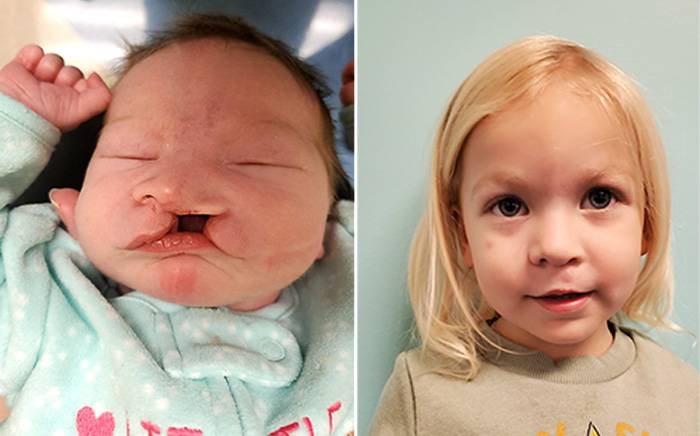
Understanding Cleft Lip and Palate Surgery
Cleft lip and palate surgery repairs an opening or separation that developed in the upper lip, the roof of the mouth, or both. The operation is planned around your child's anatomy, health, feeding needs, and development rather than a single universal schedule. Parents often feel better prepared when they understand what surgery can address and what care continues afterward.
What a Cleft Lip and Palate Is
A cleft lip is a separation in the upper lip that may extend toward the nose. A cleft palate is an opening in the roof of the mouth, and it may involve the hard palate, the soft palate, or both. Some children have only one of these conditions, while others have a cleft lip and palate together; the size and pattern can vary considerably.
The cleft forms early in pregnancy when tissues do not join as expected. In many cases, the precise cause is not known. The condition is not caused by anything a parent did during pregnancy, and the care team can explain whether additional evaluation is recommended.
How Cleft Lip Repair Differs From Cleft Palate Repair
Lip repair brings separated tissues together to improve the continuity, movement, and shape of the upper lip. Palate repair closes the opening in the mouth and reconnects muscles that help with feeding, speech, and swallowing. Although both are reconstructive operations, they involve different anatomy and may happen at different ages.
The surgeon will discuss the expected scar, feeding plan, and likely hospital course for lip repair. For palate repair, the conversation often includes speech development, ear health, and how the repair may affect the movement of the soft palate. A repair can support function, but it does not eliminate the need for developmental follow-up.
Why Surgery Is Part of a Broader Treatment Plan
Surgery is one step in a longer plan that may include feeding support, hearing checks, speech therapy, dental care, orthodontics, and additional procedures. The exact team depends on your child's needs and the resources of the cleft or craniofacial program, and plans can change as your child grows. A cleft team may include a surgeon, pediatrician, anesthesiologist, dentist or orthodontist, speech-language pathologist, audiologist, and feeding specialist — you can learn more about the clinicians who make up our own team on our Meet the Team page. Their shared goal is to coordinate care instead of making your family manage disconnected advice.
Ask who will coordinate appointments and whom to call between visits, and request plain-language explanations and written instructions whenever you need them.
When Surgery Usually Happens
There is no single correct calendar for every child undergoing cleft lip and palate surgery. Surgeons consider the type and extent of the cleft, growth, nutrition, other medical conditions, and the team's preferred approach. Your child's surgeon should give you a target window and explain what might move it.
Cleft lip repair is often planned during infancy, commonly within the first several months of life. The precise timing varies with the cleft's appearance, the child's overall health, and feeding progress. Before scheduling, the team may want evidence that your baby is gaining weight and is healthy enough for anesthesia. A cold, fever, or other illness can lead to postponement, a short delay is usually a safety decision, not a sign that the repair has failed.
Cleft palate repair is commonly performed later in infancy or early childhood than lip repair, often before speech patterns become firmly established. Timing is individualized because the surgeon must balance speech development, facial growth, airway considerations, and the child's health, and may require a different feeding plan and longer recovery than lip surgery.
A schedule can change when a child is not gaining weight, has an active infection, or needs evaluation for another medical condition. Ask what symptoms should be reported before the date is finalized, and keep the surgeon's office informed if your child becomes sick.
Preparing Your Child and Family for Surgery
Preparation begins well before the morning of the operation. The team will review health history, feeding, medications, allergies, and the plan for anesthesia and recovery. Parents also need time to arrange transportation, work leave, childcare, and a calm place for recovery at home.
A preoperative visit may include a physical examination and questions about recent coughs, fevers, allergies, or breathing problems. Follow the hospital's fasting instructions exactly, and bring an updated medication list. Many of the questions families ask us before a surgical visit are addressed on our First Visit page and our Frequently Asked Questions page.
Good nutrition supports healing, but feeding can be challenging before and after repair. A feeding specialist may review bottle types, pacing, and positioning, and your child's team may track weight and wet diapers rather than focusing on one meal or one day. If intake drops after surgery, call early rather than waiting until your child seems very unwell.
Pack familiar comfort items, feeding supplies approved by the team, and any prescribed medicines. Arrange a ride home and backup childcare, and save the surgeon's office and after-hours numbers ahead of time.
What Happens During the Operation
The details of cleft lip and palate surgery differ from child to child, but the broad process is predictable. Your child receives general anesthesia, the surgical team repairs the affected tissues, and nurses monitor recovery afterward. The surgeon should explain the planned technique during a preoperative appointment.
For a lip repair, the surgeon carefully plans incisions so separated skin, muscle, and lining can be brought together, restoring continuity and improving the shape and movement of the lip. The final appearance changes as swelling settles and the scar matures; early unevenness does not show the finished result.
Palate repair closes the opening and repositions tissue and muscle across the roof of the mouth to support feeding, swallowing, and speech development while allowing continued growth. The mouth may look swollen afterward, and the care team will focus on pain control, fluids, feeding, and protecting the surgical site.
An anesthesiologist gives medicine that keeps your child asleep and monitors breathing, heart rate, oxygen level, and temperature. Children may be sleepy, irritable, nauseated, or hoarse after anesthesia; these effects are watched closely and usually improve as the medicines wear off. Lip and palate repairs are often scheduled as separate operations because they address different structures and are commonly recommended at different developmental stages.
Recovery After Cleft Lip and Palate Surgery
Recovery starts in the post-anesthesia area, where nurses watch breathing, comfort, bleeding, and the ability to drink or feed. Some children go home the same day, while others stay overnight or longer. The discharge plan should be specific to the repair performed and your child's age.
The team may recommend scheduled pain medicine for the first period after surgery, followed by medicine as needed. Pain can look like crying, poor sleep, refusal to eat, or unusual stillness — call the surgical team rather than increasing a dose yourself if medicine does not seem to help.
Feeding instructions depend on whether the lip, palate, or both were repaired. The team may recommend a particular bottle, cup, syringe, spoon, or soft-food plan, and may temporarily restrict suction or hard objects in the mouth. Do not change a feeding method that worked before surgery without checking first.
Keep the incision clean and follow directions about ointment, bathing, dressings, and sleeping position. After palate repair, protecting the mouth may include limiting fingers, toys, or utensils near the surgical site. Trim fingernails and dress your child to make it harder to rub the face, and contact the team if a stitch comes loose or the wound opens.
Mild swelling, bruising, tiredness, reduced appetite, and changes in sleep can occur during early recovery and should gradually improve. Keep follow-up appointments even if healing appears smooth, so the clinician can check the incision, mouth, hydration, and weight.
Risks, Complications, and When to Call the Doctor
Every operation carries risks, and cleft lip and palate surgery has concerns related to healing, feeding, breathing, infection, bleeding, and the function of the repair. Your surgeon should explain risks that are especially relevant to your child, and most families receive an after-hours number and written emergency instructions.
Swelling, bruising, sore throat, nausea, sleepiness, and temporary changes in feeding can be expected. A symptom is more reassuring when it is stable or improving; if you are worried, calling the team is appropriate even when it turns out to be routine.
Infection may cause increasing redness, warmth, swelling, drainage, fever, or worsening pain around the incision. Bleeding that does not stop or a dressing that becomes soaked needs prompt medical advice — do not wait for a scheduled appointment if the wound looks open.
A fistula is an unwanted opening that can develop in a repaired palate, which may allow food or liquid to pass through the nose or contribute to speech concerns. A new nasal escape of food, persistent difficulty swallowing, or speech that remains hard to understand should be discussed with the cleft team.
Seek urgent help for trouble breathing, blue or gray coloring, uncontrolled bleeding, severe dehydration, or a child who is difficult to wake. Call the surgical team promptly for persistent vomiting, rapidly increasing swelling, high fever, worsening pain, or refusal of nearly all fluids. When calling, have the operation date, current medicines, temperature, recent intake, and the child's symptoms ready.
Long-Term Care After the Initial Repair
The initial operation is the beginning of care rather than the final appointment. Children may need monitoring as speech develops, teeth emerge, hearing changes, and the face grows. Regular assessments can identify hearing loss, dental crowding, altered bite, or speech differences, and treatment works best when concerns are addressed early.
Orthodontic care may begin with guidance about tooth eruption and oral hygiene and become more involved as permanent teeth appear. Some children with a cleft involving the gum line may be evaluated for bone grafting at a later stage, and the orthodontist and surgeon may coordinate surgical orthodontic treatment rather than starting every intervention at once. Timing depends on dental development and the anatomy of the upper jaw.
A revision may be considered for a scar, lip movement, nasal shape, fistula, bite, or speech-related problem, and cleft-related rhinoplasty is often timed around facial growth. Not every difference requires correction, and not every correction must happen immediately.
Children may notice questions, staring, teasing, or differences in speech and appearance as they grow. Honest, age-appropriate conversations can help, and praising effort, friendships, and skills matters as much as surgical results. A counselor or support group may help when anxiety, sadness, or body-image concerns persist.
Conclusion
Cleft lip and palate surgery can repair important structures, but the journey includes preparation, recovery, developmental monitoring, and sometimes additional treatment. Your child's schedule and needs will be individual, so use the surgical team's instructions as the main guide and ask questions whenever something is unclear. If you have questions about your child's care, our team welcomes the opportunity to contact us and discuss next steps.
Frequently Asked Questions
What is cleft lip and palate surgery?
It is a set of operations used to repair a separation in the upper lip, the roof of the mouth, or both. Lip and palate procedures may be performed at different times and use different techniques.
How early is cleft lip repair usually performed?
Cleft lip repair is often performed during the first several months of life, but timing depends on the child's health, nutrition, anatomy, and the surgeon's plan.
When is cleft palate repair usually performed?
Palate repair is commonly performed later than lip repair, often during infancy or early childhood. The recommended timing considers speech development, growth, health, and airway factors. According to the National Institute of Dental and Craniofacial Research's overview of cleft lip and palate, most children with a cleft can have a series of surgeries to restore normal function and achieve a more normal appearance.
Will my child need to stay in the hospital?
Some children go home the day of surgery, while others stay overnight or longer. The expected stay depends on the procedure, age, feeding, pain control, and recovery after anesthesia.
How should I feed my child after surgery?
Use the feeding method and foods recommended by the surgical team. Restrictions may include avoiding suction, hard objects, or certain utensils for a period of time, especially after palate repair.
Can a cleft repair need another operation?
Some children need later procedures because of growth, speech, a fistula, dental changes, scarring, or nasal differences. The decision is based on examinations and the expected functional or physical benefit.
What symptoms should make me call the doctor?
Call promptly for breathing trouble, uncontrolled bleeding, dehydration, worsening swelling or pain, fever, wound separation, repeated vomiting, or a major drop in fluid intake. Use emergency services for severe breathing problems or a child who is difficult to wake.
About the Author
Oral Surgeons, PC has served the Des Moines, Iowa area for decades from offices in Des Moines, Ankeny, and Clive, with a surgical team that includes Dr. Johnson, Dr. Janulewicz, Dr. Marsh, Dr. Freml, Dr. Morio, Dr. Radich, Dr. Ridenour, Dr. Peters, and Dr. Schwarzkopf. The practice is a proud member of the American Association of Oral and Maxillofacial Surgeons and the American Dental Association, and its all-RN clinical team provides oral and maxillofacial surgery, dental implants, bone grafting, and pre-prosthetic and reconstructive procedures for patients of all ages, including young children referred for craniofacial and cleft-related care.
Disclaimer
The information provided in this article is for educational purposes only and does not constitute professional medical or dental advice, diagnosis, or treatment recommendations. Every child's cleft lip and palate care is different and should be discussed with your surgeon and craniofacial team. Always consult your care providers with any questions regarding your child's treatment.
Blog Post Author

Contributed by DentalROI
DentalROI provides relevant dental content to help providers educate patients. The statements, services, and products referenced in this article have not been evaluated by the Food and Drug Administration, and they are not intended as a substitute for professional medical advice, diagnosis, or treatment. Always seek the advice of your dental provider with any questions or issues you may have. Specific recommendations may vary in different circumstances, so individual consultation is important.