
 CALL THE LOCATION NEAREST YOU
A Key Part of Oral Development: Learning About Wisdom Teeth
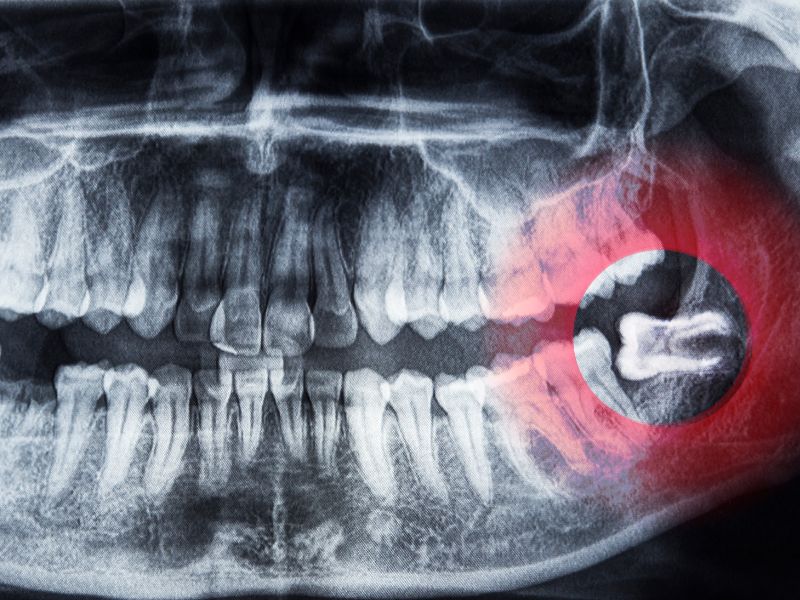
Wisdom teeth usually emerge between ages 17 and 25, a time when the jaw has already reached full size. For many people, the jaw does not have enough room for these late-arriving molars, which can lead to crowding and other oral health issues. An adult mouth typically holds 28 teeth, and adding four more can create complications such as impaction or misalignment. While not everyone needs their wisdom teeth removed, monitoring them is essential because problems can worsen over time.
The Problems Wisdom Teeth Can Cause
Wisdom teeth may erupt straight, at an angle, or remain trapped beneath the gums or bone, leading to impaction. Impacted teeth increase the risk of decay, infection, and damage to nearby teeth. Partially erupted teeth create gum pockets that trap bacteria, leading to swelling or pericoronitis. Misaligned teeth can push on second molars, shift the bite, or contribute to bone loss. Cysts or lesions may also form around unerupted teeth, which is why regular exams and imaging are necessary even when there are no visible symptoms.
- Soft tissue or bony impaction
- Increased risk of cavities and infection
- Pressure on nearby teeth
- Misalignment or crowding
- Possibility of cysts or lesions
When and Why to Consider Surgery
If your wisdom teeth are causing pain, crowding, or structural problems, extraction is often recommended. Factors such as tooth position, root development, presence of disease, age, and overall health play an important role. Early evaluation is beneficial because surgery is generally easier and recovery is faster when the roots are still developing. However, if wisdom teeth are fully erupted, properly positioned, and free of disease, regular monitoring may be enough—though this situation is less common.
How the Procedure Is Performed
Modern wisdom tooth extraction is highly precise and patient-focused. Advanced imaging such as panoramic X-rays and CBCT scans is used to assess root shape, nerve location, and bone structure. Depending on the case, anesthesia may be local or IV sedation. For impacted teeth, a small incision is made, bone may be removed, and the tooth is often sectioned for easier removal. After extraction, the area is cleaned, sutured, and monitored. Patients usually receive medications, aftercare instructions, and a follow-up schedule.
What Patients Can Expect
Removing impacted or partially erupted wisdom teeth reduces the risk of infection, protects nearby teeth, and can support orthodontic treatment. Early removal generally results in faster healing and fewer complications. Delayed extraction, especially in adulthood, may increase risks such as nerve involvement, sinus complications, and longer recovery times.
Important Considerations Before Surgery
Before choosing extraction, each case must be evaluated individually. Risks, future complications, and patient health all influence the treatment plan. Certain medical conditions may require modified surgical approaches or postponing treatment. Not all dentists have the equipment or training for surgical extractions, so selecting an experienced oral surgeon with access to advanced imaging and sedation options ensures safer outcomes.
Recovery and Long-Term Outlook
Most patients experience gradual improvement within a few days. Proper aftercare—avoiding smoking, using straws, rinsing gently, eating soft foods, and attending follow-ups—reduces complications. Instructions from Oral Surgeons P.C. help prevent issues like dry socket. Healing continues at the bone level for several months. Timely wisdom tooth removal supports healthier gums, lowers infection risk, and improves long-term stability of surrounding teeth.
Final Thoughts
Not everyone needs their wisdom teeth removed, but careful monitoring is essential. If your third molars are erupting without pain, infection, or crowding, regular evaluation by an experienced oral surgeon is still recommended. With modern imaging, refined surgical techniques, and patient-centered care, maintaining long-term oral health is easier and safer than ever.
To schedule a complete wisdom teeth evaluation, call 515-416-6415 to meet with our team.
Blog Post Author

Contributed by DentalROI
DentalROI provides relevant dental content to help providers educate patients. The statements, services, and products referenced in this article have not been evaluated by the Food and Drug Administration, and they are not intended as a substitute for professional medical advice, diagnosis, or treatment. Always seek the advice of your dental provider with any questions or issues you may have. Specific recommendations may vary in different circumstances, so individual consultation is important.