

 CALL THE LOCATION NEAREST YOU
A Clinical Look at What to Do When Wisdom Tooth Cause Problems
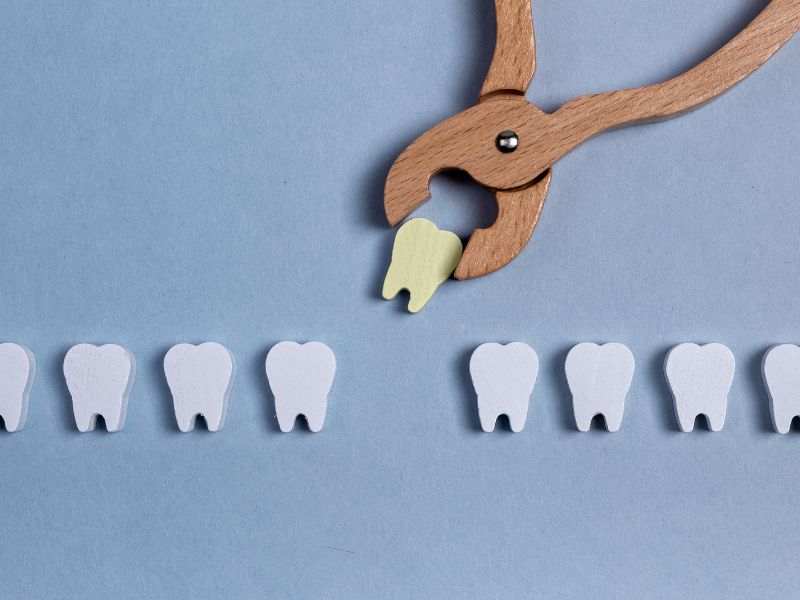
The appearance of the third molars, also known as wisdom teeth, marks an important stage in the development of late teens. But these teeth usually make people more worried than happy. Some people can solve their own problems, but most people will need help from a professional. To keep your teeth healthy for a long time, you need to know when and why they hurt.
Modern oral surgery has changed a lot in how it looks at and treats these kinds of cases. The results are now safer and more certain than ever.
Why Wisdom Teeth Don't Always Do Their Job
Unlike other molars that help you chew and keep your mouth strong, wisdom teeth don't always come in the right way. The jaw gets bigger over time, which is the main reason for this. The space in the dental arch has gotten smaller and people's diets have gotten softer, so a lot of the time these extra teeth don't have enough room to come out where they should.
A third molar that is impacted is one that hasn't fully come out yet or is completely surrounded by bone. Impacted teeth can push on the second molars next to them. This can lead to erosion, infection, or misalignment. They can also be places where bacteria that live under the soft tissue can grow. This can lead to cysts or pericoronitis.
Teenagers who get dental X-rays often find these issues before they even know they are there. It's easier to fix a problem if you find it early, which could mean getting rid of it before it gets worse.
Treatment Decisions Rooted in Anatomy and Evidence
People use anatomy and evidence management to learn how to deal with third molars. You don't have to get rid of all of your wisdom teeth. If the molars are fully grown, in the right place, and easy to clean, it might be best to just keep an eye on them. If there is or is likely to be impaction, crowding, or pathology, surgery is usually the best option.
It can be as simple as a procedure with local anesthesia or as difficult as a surgical extraction with sedation. The surgical plan takes into account the patient's medical history, how deep and angled the impaction is, and how close it is to nerves. Cone beam computed tomography (CBCT) and other cutting-edge technologies let us see the jaw's anatomy in great detail. This makes the procedures safer and more useful.
A Closer Look at How Surgery Works
Many people believe that getting rid of a third molar is as easy as "pulling a tooth," but it isn't. You need to do it in the right order and with a lot of care. Anesthesia may be given before the cut is made, depending on the situation. It could be local, IV, or general. This will show the tooth and the bone next to it. In more difficult cases of impaction, the tooth may need to be taken out in parts. After that, stitches are put in to help the area heal, and the patient is given clear instructions on how to care for themselves after the surgery.
Oral and maxillofacial surgery is what we do best at our center. It's good for our patients that the surgeon has had more training in both anesthesia and surgery. These qualifications not only make you feel better and safer, but they also lower the risk of problems after surgery, like nerve damage or dry socket.
When to Take It Out
Getting your wisdom teeth out at the right time, which is usually before the roots are fully grown in late adolescence, can stop a lot of problems from happening later. Some of these problems are infections, bone loss around nearby teeth, tooth decay from not being able to clean them well, and orthodontic relapse in smiles that were already straightened.
People who get help early usually get better faster and have fewer problems. Also, getting rid of hard-to-clean molars in the back of your mouth will help keep your gums healthy and your mouth clean over time.
What Patients Need to Know Before They Proceed
A common type of oral surgery is to take out the third molar, but it does come with some risks. Localized infection, swelling that lasts a long time, or, in rare cases, nerve damage can happen, especially when the lower molars are close to the inferior alveolar nerve.
Another thing to think about is how old you are. Older people with fully developed roots and denser bones may take longer to heal. Because of this, the timing of removal is often based on how the body is growing and how likely it is to get sick, not just the patient's age.
In the end, the person has to decide if they want to have a wisdom tooth pulled. An experienced oral surgeon considers the entire clinical scenario, including the surgery's impact on the patient's long-term oral and overall health.
Healing, Maintenance, and Long-Term Health
After the procedure, patients are given a specific plan to follow to help them get better. This means putting ice packs on the area to help with the swelling, eating only soft foods, and staying away from anything that could move the clot that protects the extraction site. It's also important to keep your mouth clean without getting in the way of the area that is healing.
Most people can go back to their normal lives in a few days, but it may take weeks for their bodies to heal completely. People who get their third molars taken out on time are less likely to have problems with their teeth, gum disease, and infections. To keep the benefits of early intervention, it's still very important to have your teeth cleaned and checked on a regular basis.
A Final Word on Smart Management
You need to take care of your third molars on time and with purpose, even though they are the last teeth to come in. Taking care of these teeth ahead of time protects the comfort, structure, and periodontal health of the whole mouth, whether you keep a close eye on them or have them surgically removed.
For patients or families who have to make this important choice, getting an expert surgical evaluation is still the most important thing they can do to get safe and effective care.
Call 515-416-4524 to set up a meeting. Our staff is ready to help you with your care in a way that is both professional and kind.
Blog Post Author

Contributed by DentalROI
DentalROI provides relevant dental content to help providers educate patients. The statements, services, and products referenced in this article have not been evaluated by the Food and Drug Administration, and they are not intended as a substitute for professional medical advice, diagnosis, or treatment. Always seek the advice of your dental provider with any questions or issues you may have. Specific recommendations may vary in different circumstances, so individual consultation is important.