
 CALL THE LOCATION NEAREST YOU
Why No Dairy After Dental Implant
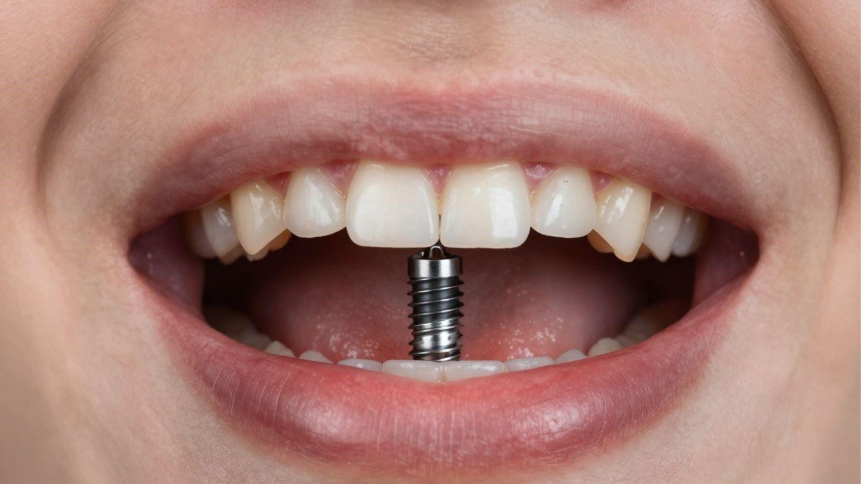
Getting a dental implant is a big step towards a healthier smile, but the recovery period afterwards needs careful attention. You might be wondering about what you can and can't eat. One common question that pops up is about dairy products. Dentists often suggest avoiding them for a little while after the surgery. Let's explore why this advice is given and how it helps your new implant heal properly.
Key Takeaways
- Avoiding dairy after dental implants is a common recommendation to support healing and reduce potential complications.
- Dairy products, especially those high in sugar, can encourage bacterial growth, increasing infection risk at the surgical site.
- Some individuals may experience nausea or discomfort from dairy, particularly cold items, which can hinder the recovery process.
- Dairy can sometimes interact with post-surgery medications like antibiotics; consulting your dentist is advised.
- Opting for dairy alternatives and sticking to soft, non-dairy foods helps maintain good oral hygiene and promotes a smoother healing journey.
What Happens to the Mouth After Dental Implant Surgery
After dental implant surgery, your mouth enters a healing phase. The surgical site, where the implant was placed, needs time to recover. This period is delicate, and your mouth will likely feel sensitive. Swelling and tenderness are common experiences as your body begins the process of integrating the implant with your jawbone. This initial healing stage is relatively quick, usually lasting only 1-2 weeks, though the implant requires several months to fully fuse with the bone. Following specific post dental implant diet guidelines is important during this time to support healing and prevent complications.
During this recovery, you'll need to be mindful of what you eat and drink. The goal is to protect the surgical site and allow it to mend properly. This means avoiding foods that could irritate the area, dislodge a blood clot, or introduce bacteria.
- Protecting the surgical site is the top priority.
- Avoid foods that are hard, crunchy, or sticky.
- Steer clear of very hot or very cold foods and drinks.
- Spicy and acidic foods should also be avoided.
The recovery process involves careful attention to your oral hygiene and dietary choices to ensure the best outcome for your new implant.
Your dentist will provide detailed instructions, but generally, the focus is on soft, easy-to-manage foods. This approach helps minimize stress on the implant and surrounding tissues, promoting a smoother recovery. You can find more information on dietary recommendations for this phase.
Why Dairy Is Often Avoided After Dental Implant Surgery
After getting a dental implant, your mouth is in a sensitive state. The surgical site needs time to heal properly, and certain foods can get in the way of that. While dairy products are often seen as healthy, dentists sometimes suggest holding off on them for a bit after the procedure. This is mainly to help the healing process go smoothly and to cut down on any potential problems.
One of the main reasons to consider avoiding dairy products to avoid dairy after dental implant surgery is the risk of infection. Dairy items, especially those with added sugar like milkshakes or smoothies, can create a sticky residue. This residue can be a breeding ground for bacteria, which isn't ideal for the healing surgical area. Keeping the implant site clean is super important, and sugary dairy can make that harder.
Another point is that some people find that dairy can increase mucus production. After surgery, you want to breathe as comfortably as possible, and excess mucus might make that feel more difficult. Also, dairy can sometimes interact with medications you might be taking, like antibiotics or pain relievers. It’s always a good idea to check with your dentist about potential food-drug interactions.
Some people also find that very cold dairy items, like ice cream, can be uncomfortable on a sensitive surgical site. Sticking to lukewarm or room temperature foods is generally a safer bet during the initial recovery period.
So, why no dairy after dental implants? It's mostly about giving your mouth the best chance to heal without extra hurdles. The recommendation for no dairy after dental implant recovery period is usually for a short time, often just the first 48 to 72 hours. After that initial phase, and with your dentist's okay, you can usually start reintroducing dairy products.
Here are some common dairy products to avoid after dental implant surgery:
- Milk (all types)
- Cheese
- Yogurt
- Ice cream
- Butter
- Cream
By being mindful of your diet, especially regarding dairy products to avoid after dental implant, you're taking a proactive step towards a successful recovery and a long-lasting implant.
Medications and Dairy Interactions
Sometimes, the medications you take after surgery can interact with certain foods, and dairy is one of those things to keep an eye on. It's not a universal problem, but it's something to be aware of.
Antibiotics, which are often prescribed to prevent infection after a dental implant procedure, can sometimes affect how your body handles dairy. For some people, this combination might lead to a bit of stomach upset or mild nausea. It's like your digestive system is a little more sensitive during this time, and dairy might just be a bit too much for it to handle comfortably.
It's always a good idea to check with your dentist or pharmacist about any potential food-drug interactions, especially when you're recovering from surgery. They can give you the most accurate advice based on your specific medications and health.
Also, some pain relievers might have their own quirks. While not as common, it's worth mentioning that dairy could potentially affect the absorption or effectiveness of certain medications. This is why it's so important to follow your dentist's specific post-operative instructions. They know what you're taking and can guide you on what to eat and what to avoid to make sure your medications work as they should and that your recovery goes as smoothly as possible. It's all about giving your body the best chance to heal without any unnecessary hiccups.
How Avoiding Dairy Supports Implant Success
When you get a dental implant, your mouth is in a sensitive state. The surgical area needs time to mend, and certain foods can get in the way of that. While dairy is usually good for you, it's sometimes best to skip it right after the procedure. This advice plays a big part in helping things heal right and avoiding problems.
Avoiding dairy helps create the best environment for your implant to heal properly.
Here's why it matters:
- Less chance of infection: Dairy products can leave a film in your mouth that bacteria like to grow on. This is especially risky when the surgical site is still healing and more vulnerable. Keeping this residue away helps lower the risk of infection.
- Reduced inflammation and discomfort: For some people, dairy can interact with medications like antibiotics or pain relievers you might be taking after surgery. This can sometimes lead to an upset stomach or make you feel a bit queasy. Sticking to non-dairy options can help you feel more comfortable.
- Easier breathing: Dairy can sometimes make people produce more mucus. After oral surgery, you might already have some swelling or feel a bit congested. Extra mucus could make breathing feel more difficult, which isn't ideal when you're trying to recover.
By skipping dairy for a short period, you're giving your body a better chance to focus on healing the implant site without extra challenges. It's a simple step that can make a real difference in how smoothly your recovery goes.
It's not about never eating dairy again, but about being smart during that initial healing phase. A little care now means your implant has a better shot at lasting a long, long time.
Recommended Alternatives to Dairy During Recovery
After dental implant surgery, your mouth needs gentle care to heal properly. While dairy is often a go-to for many, it's best to steer clear for a bit. Luckily, there are plenty of tasty and nourishing options that won't interfere with your recovery.
Focus on soft, easy-to-eat foods that provide good nutrition. This helps protect the surgical site and supports your body's healing process. Think about foods that are naturally smooth or can be easily blended.
Here are some great non-dairy choices to keep you going:
- Protein Powerhouses: Scrambled eggs are a fantastic option, offering protein without much chewing. Smoothies made with plant-based milks like almond, soy, or oat milk are also good, just be mindful of added sugars. Tofu, prepared in a soft, mashed way, can also be a good source of protein.
- Comforting Carbs: Mashed potatoes (made without milk or butter) are a classic for a reason – they're soft and filling. Applesauce and other pureed fruits are also gentle on the mouth.
- Soothing Soups: Lukewarm (never hot!) broths and pureed vegetable soups can be very comforting and provide hydration and nutrients. Just make sure there are no hard bits or spicy ingredients.
- Calcium Boosts: If you're concerned about calcium intake, look for fortified plant-based milks and yogurts. Leafy greens, when blended into smoothies, can also contribute to your calcium levels.
It's important to remember that the goal is to give your surgical site the best chance to heal without irritation or infection. Choosing foods that are easy to manage and digest will make a big difference in your recovery experience.
Wrapping Up Your Recovery
So, to wrap things up, avoiding dairy after getting a dental implant is mostly about giving your mouth the best chance to heal without any extra fuss. Things like milkshakes or creamy soups, while soft, can sometimes introduce sugars that bacteria love, or just generally make things a bit more complicated for your healing site. It’s not a lifelong ban, just a smart move for those first few days or weeks. By sticking to your dentist’s advice and choosing non-dairy options when needed, you’re setting yourself up for a smoother recovery and a successful implant that will last for years to come. Always chat with your dental team if you're unsure about what to eat or drink.
Frequently Asked Questions
Why is it suggested to avoid dairy after getting a dental implant?
After dental implant surgery, your mouth needs time to heal. Some dairy products, especially those with a lot of sugar, can encourage bacteria to grow. This might increase the chance of infection in the healing area. Also, dairy can sometimes make more mucus, which isn't ideal when your mouth is sensitive.
How long should someone stay away from dairy after dental implant surgery?
Most dentists recommend avoiding dairy for about 48 to 72 hours after the surgery. This initial period is crucial for the first stages of healing. After this, it's best to follow your dentist's specific advice, as healing times can vary.
Can dairy products interfere with medications taken after surgery?
Yes, in some cases. Certain dairy items might interact with medications like antibiotics or pain relievers that are often prescribed after dental implant surgery. This could potentially affect how well the medicine works. It's always smart to ask your dentist about any possible food-drug interactions.
What are some good dairy-free alternatives to eat during recovery?
There are many great options! You can enjoy things like almond milk, soy milk, or oat milk. Smoothies made with these alternatives are good, as are soft foods like scrambled eggs, mashed potatoes, applesauce, and soups (make sure they aren't too hot).
Will avoiding dairy help my dental implant heal better?
Yes, by skipping dairy, you help reduce the risk of infection and inflammation in the surgical site. This creates a better environment for your implant to heal properly and integrate with your jawbone. It supports a smoother and quicker recovery.
Are there any specific dairy foods that are more problematic after dental implants?
Dairy products that are high in sugar, like milkshakes or flavored yogurts, are often a bigger concern because sugar can feed bacteria. Also, very cold dairy items, such as ice cream, might cause discomfort or sensitivity in the surgical area. It's generally wise to avoid these initially.
Blog Post Author

Contributed by DentalROI
DentalROI provides relevant dental content to help providers educate patients. The statements, services, and products referenced in this article have not been evaluated by the Food and Drug Administration, and they are not intended as a substitute for professional medical advice, diagnosis, or treatment. Always seek the advice of your dental provider with any questions or issues you may have. Specific recommendations may vary in different circumstances, so individual consultation is important.